
Fukuoka Hotels: Hakata or Tenjin — Which Area to Stay (2026)
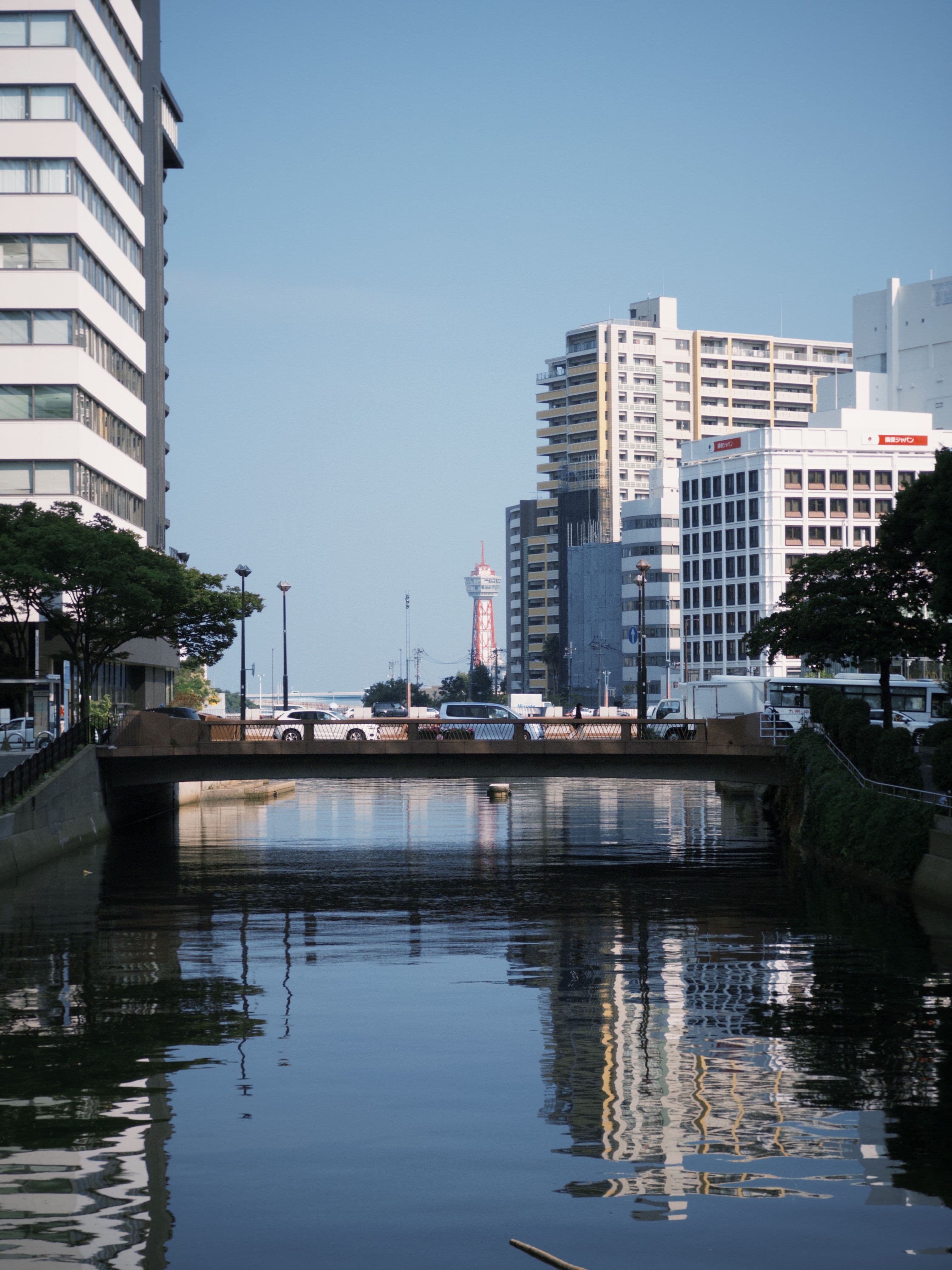
Photo by Vic Lee / Pexels
"Fukuoka" rarely makes the shortlist when people plan a Japan trip — Tokyo and Osaka usually win that spot first. But this compact city on the southern island of Kyushu holds its own kind of charm. Wake up for a walk along the canal downtown, where glass towers catch the morning light on the water; by midday, duck into an old temple tucked between office blocks; and once evening falls, follow the smell of grilled meat and ramen broth drifting from the yatai stalls lining the Naka River. Fukuoka is small enough to explore entirely on foot without long train rides — but before any of that, the first call to make is where to stay: Hakata or Tenjin, the city's two main districts, each with a clearly different personality.
Why Fukuoka deserves more than a passing thought
Fukuoka ranks among Japan's largest cities, yet it's routinely overlooked — despite packing shopping, temples, and some of the country's most celebrated street food all within walking distance of each other. Its airport sits closer to downtown than almost anywhere else in Japan, which saves real travel time compared to bigger cities. That makes it a natural fit for both a quick weekend trip and a longer stay before heading further into Kyushu.
Hakata: stay by the station for maximum convenience
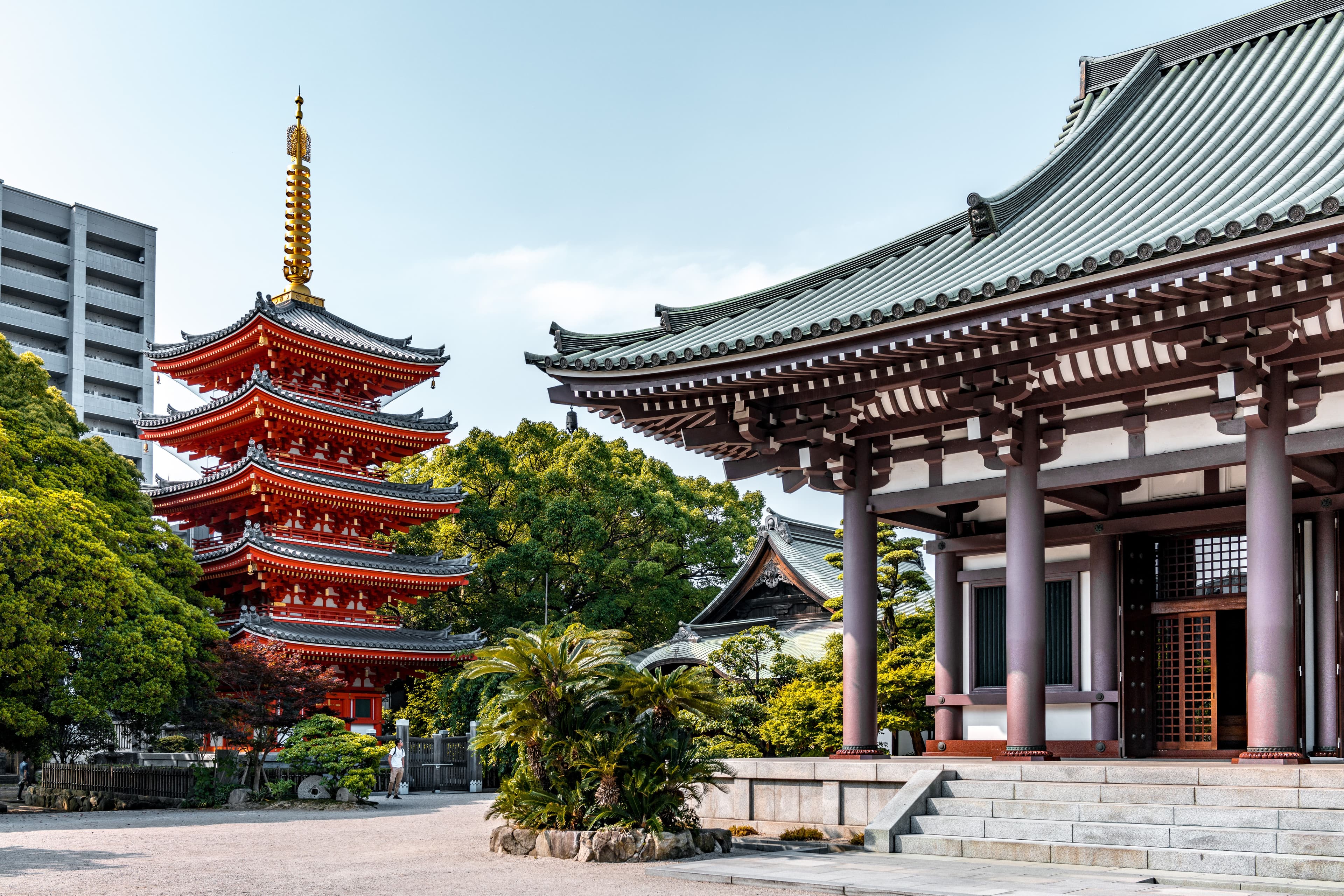
Hakata sits around Hakata Station, the city's main rail hub connecting the Shinkansen with local lines. Staying here means you can roll your suitcase off the train and straight into your hotel without another transfer. The station itself is packed with department stores and restaurants, handy for a late arrival or a rainy evening when you'd rather not wander far for dinner.
Tenjin: the city's shopping and lifestyle core
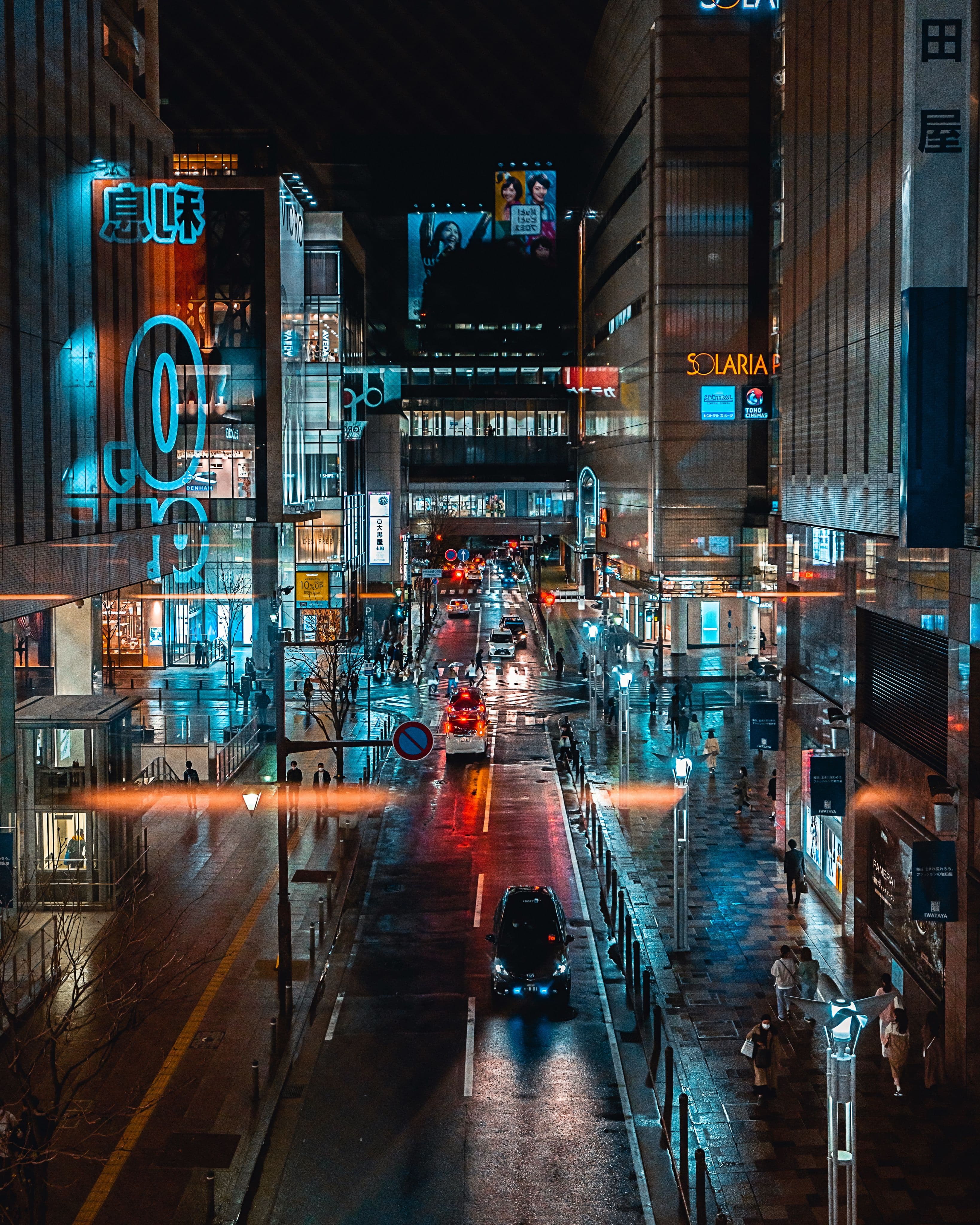
If Hakata is built for travelers passing through, Tenjin is Fukuoka's lifestyle heart — lined with department stores, boutiques, and modern cafés both above ground and through an underground shopping arcade that stretches for kilometers. Staying here suits anyone who wants an easy afternoon of browsing shops within walking distance of their room, plus quick access to the downtown park where locals unwind in the evening.
The Naka River yatai stalls — an evening worth building your night around
Wherever you end up staying, set aside one evening to walk along the Naka River, the stretch that links Hakata and Tenjin. Dozens of tiny yatai food stalls line the riverbank here, each seating only a handful of people at a time. The atmosphere is warm and unpretentious — owners chat easily with strangers sitting shoulder to shoulder at the counter, a scene you won't find in Tokyo or Osaka. It's the kind of detail that keeps people coming back to Fukuoka.
Getting from Fukuoka Airport into the city
Fukuoka's biggest advantage is how close its airport sits to downtown. The subway from the airport to Hakata Station takes about 5 minutes, and reaching Tenjin takes under 15. That's a fraction of the travel time you'd spend in most other major Japanese cities, making Fukuoka an easy fit even for a short trip where every hour counts.
What to eat in Fukuoka
Fukuoka is the birthplace of Hakata ramen — thin, springy noodles in a rich pork-bone broth found both in sit-down shops and at the riverside yatai stalls. Follow it with motsunabe, a hearty hot pot of stewed beef offal that's a local staple, and pick up mentaiko, spicy seasoned pollock roe, as the city's signature souvenir. On a cool evening, all three make for the kind of meal that's hard to forget.
Best time of year to visit Fukuoka
March through May brings spring weather and cherry blossoms in the city's downtown parks. September through November is just as mild, with autumn foliage worth planning around. Try to avoid the peak of summer, roughly July and August, when the heat and humidity climb and heavy rain shows up more often than not.
Tips for a good room rate in Fukuoka
Fukuoka hosts several major festivals each year, including the Hakata Dontaku celebration, which draws large crowds — book at least 2-3 months ahead if your trip lands during one of these. Hakata rooms tend to run slightly higher than Tenjin simply for being closer to the station, so it's worth comparing both areas, especially since the walk between them takes under 20 minutes either way.
Book a hotel in Fukuoka here
Whether you pick Hakata for ease of travel or Tenjin for downtown lifestyle, click Check Fukuoka hotel prices to compare real-time rates and book through Trip.com.
Map of Fukuoka, Japan
Ready to book this trip? Check the latest prices and availability now.
Check Fukuoka hotel pricesFrequently Asked Questions
Where should I stay in Fukuoka — Hakata or Tenjin?
Choose Hakata if you want to step off the train and straight into your hotel. Choose Tenjin for shopping and modern cafés right outside your door. The two areas are under 20 minutes apart by subway.
How many days do you need in Fukuoka?
2-3 days covers the city comfortably. With extra time, add a day or two for nearby Beppu or Nagasaki.
Keep Reading
 📷 Guillaume Kremer / Pexels
5 Best Hotels in Namba, Osaka — Easy Access, Great Location (2026)
Updated picks for places to stay in Namba, near the subway and a 10-minute walk from Dotonbori — perfect for a shopping and food trip.
 📷 P. Hughes / Wikimedia Commons
Da Nang, Vietnam: Which Area to Stay In — Ba Na Hills, My Khe Beach, Han River (2026)
A guide to where to stay in Da Nang, Vietnam — from beachfront My Khe to the areas nearest the Ba Na Hills cable car, matched to your trip style.
 📷 Elina Volkova / Pexels
Where to Stay in Seoul: Myeongdong vs Hongdae (2026 Guide)
A guide to Seoul's two most popular tourist bases, Myeongdong and Hongdae — both near the subway, great for shopping and street food.