
Where to Stay in Singapore: Chinatown vs Bugis vs Little India vs the River
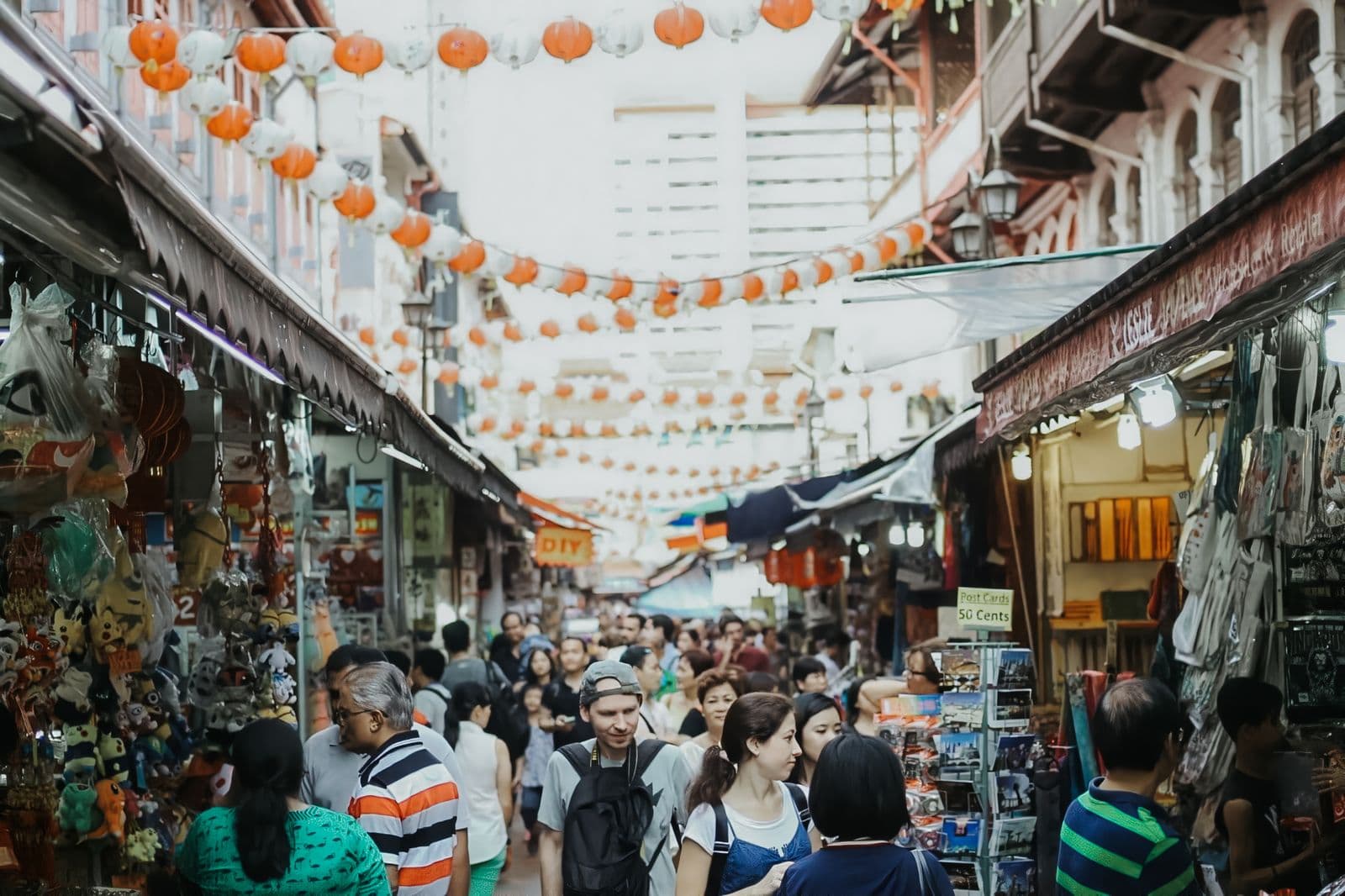
Photo by Christine Puspitasari / Pexels
Singapore is small enough that you can cross it by MRT in under an hour, which makes it tempting to think it doesn't matter where you stay. Anyone who has been a few times will tell you otherwise. Your neighborhood decides whether your first morning starts with chicken rice at the hawker centre next door, or with a walk past three luxury malls before you find your first coffee. Singapore layers several cities onto one island — century-old Chinese shophouses, the scent of Indian spices, the golden dome of a mosque, riverside restaurants that stay lit late into the night. This guide covers the four neighborhoods we think offer the best value for most travelers, and is just as upfront about who should skip each one.
Before you pick an area: a word about Singapore hotel rooms
The first thing to know is that Singapore rooms tend to be smaller than people expect, and nightly rates are noticeably higher than elsewhere in Southeast Asia. Boutique hotels in converted shophouses look charming in photos, but many of their cheaper room types have no window at all. If you need daylight to wake up properly, read the room description carefully before you book. On the upside, public transport here is excellent — staying slightly outside the core but close to an MRT station is often better value than paying a premium for a bay view.
Chinatown: the hardest area to get wrong on a first visit
If we could recommend just one neighborhood for a first visit, it would be Chinatown, without hesitation. Its market streets run beneath strings of orange and white lanterns, lined with souvenir shops, sweet stalls and pastel shophouses that still have their original wooden shutters. In the evening, big hawker centres make every meal easy — chicken rice, noodles, desserts. The advantage people overlook is location: Chinatown borders the business district, you can walk on to Marina Bay, and several MRT lines pass through. The downside is that the main streets are packed from late morning until evening. For more peace, look for a place on the quieter back lanes up toward the small hill behind the market streets.
Bugis and Kampong Glam: for café-hoppers and photographers
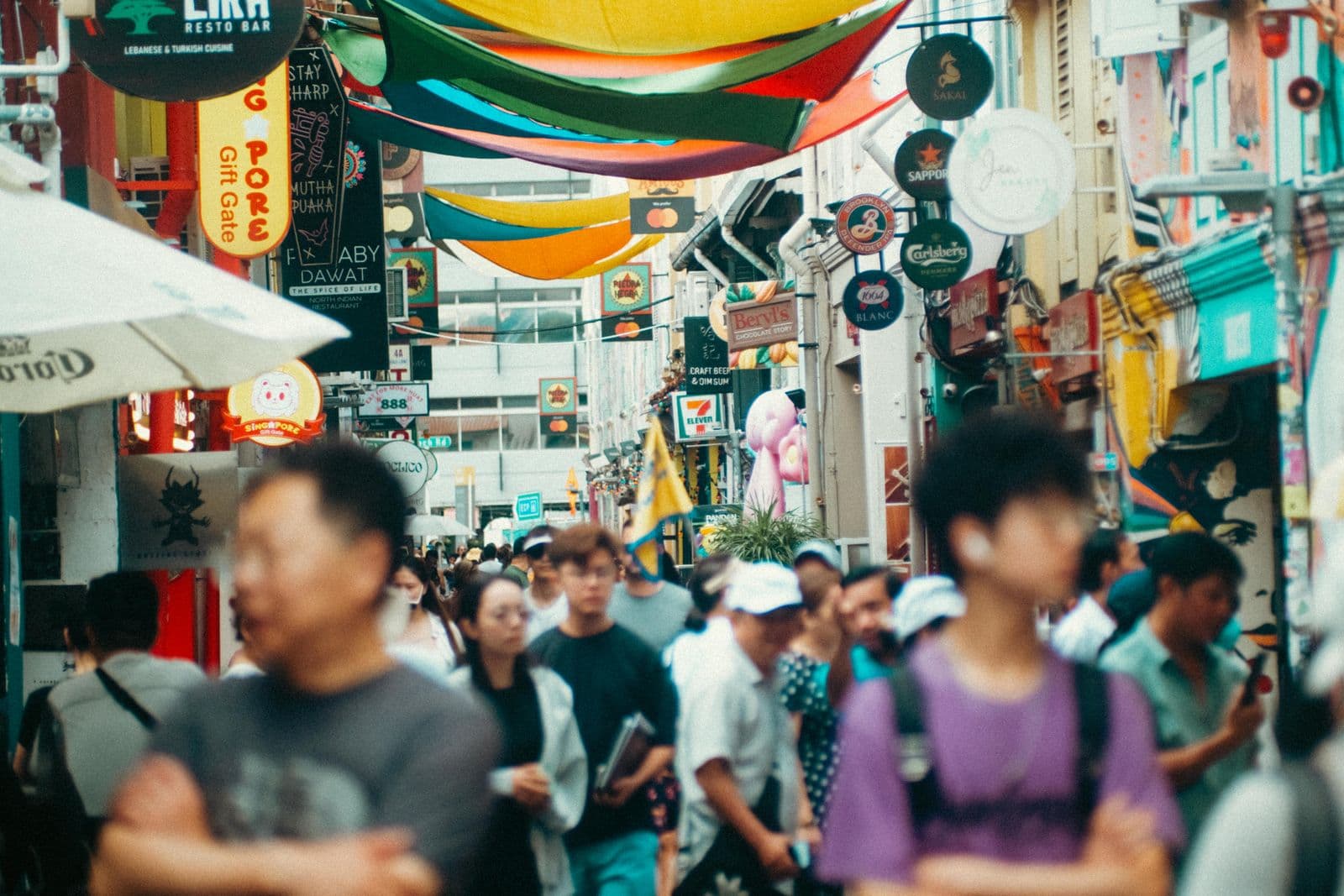
If you like wandering without a plan, Bugis and neighboring Kampong Glam are the answer. Narrow Haji Lane is shaded by colorful fabric canopies and lined with independent boutiques, Middle Eastern restaurants and graffiti walls you can photograph all afternoon. A little further on is the golden-domed Sultan Mosque, at its most beautiful in late-afternoon light. The area suits couples and café lovers, and room rates are broadly similar to Chinatown. One thing to know: the small lanes get lively with bars at night, so light sleepers are better off choosing a hotel on a main road near the MRT than a shophouse deep in the lanes.
Little India: cheaper and more colorful, if you can handle the bustle
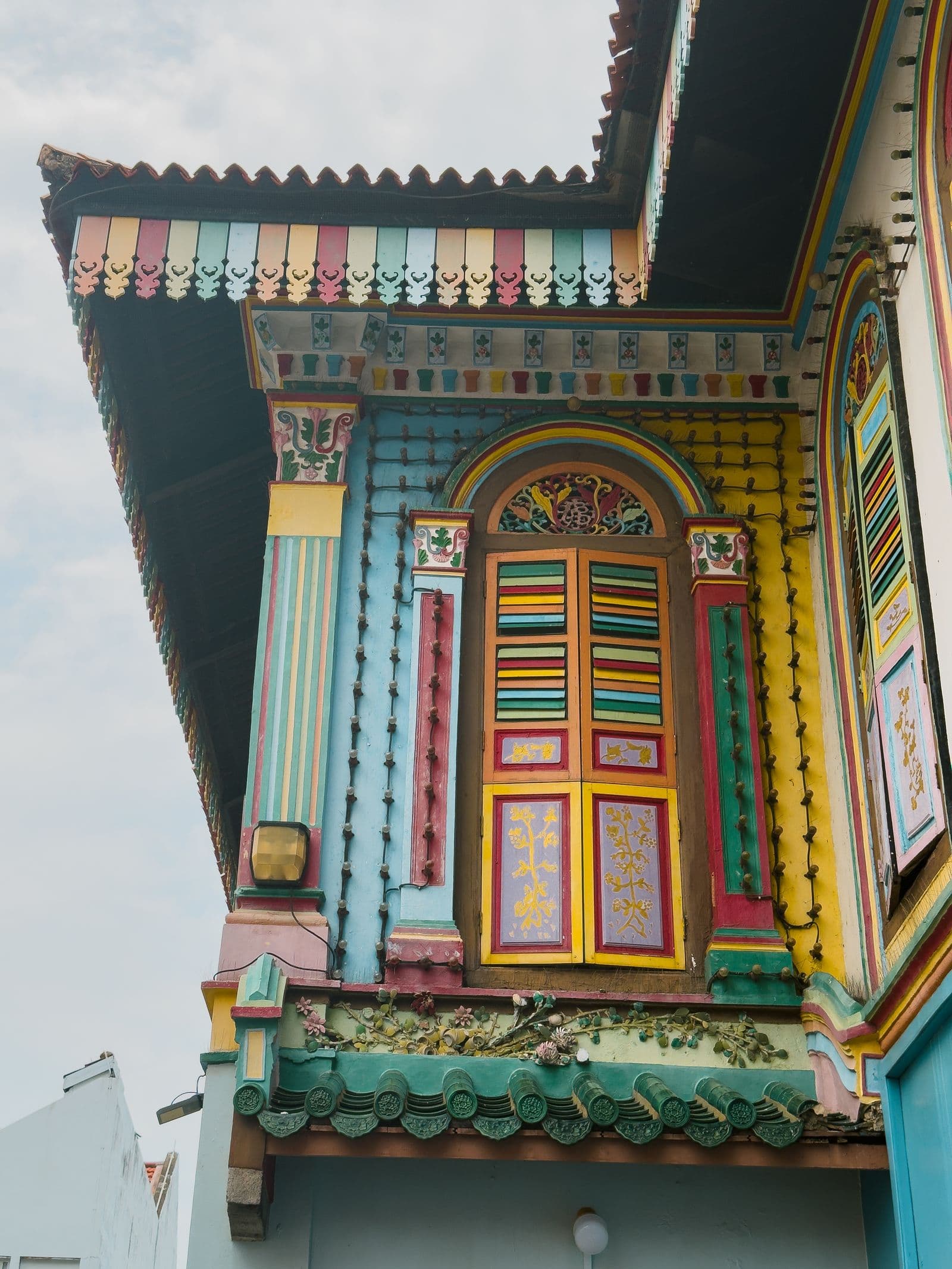
On a tighter budget, Little India often has better-value rooms than other areas an equal MRT ride from the center, and it is easily the most colorful neighborhood on the island — vividly painted shophouses, rainbow shutters, garland stalls, and incense and spices drifting down every street. The food holds its own too: crisp roti, fish head curry and biryani at the hawker centre near the station. We love this area for repeat visitors who want to see another side of Singapore, but we wouldn't recommend it for families with small children or anyone who dislikes crowds — especially on weekend nights, when the main road is packed, and during the festival of lights, when the whole district is decorated for weeks. It is genuinely beautiful then, and genuinely crowded.
On the river: Clarke Quay or Robertson Quay — pick the right side
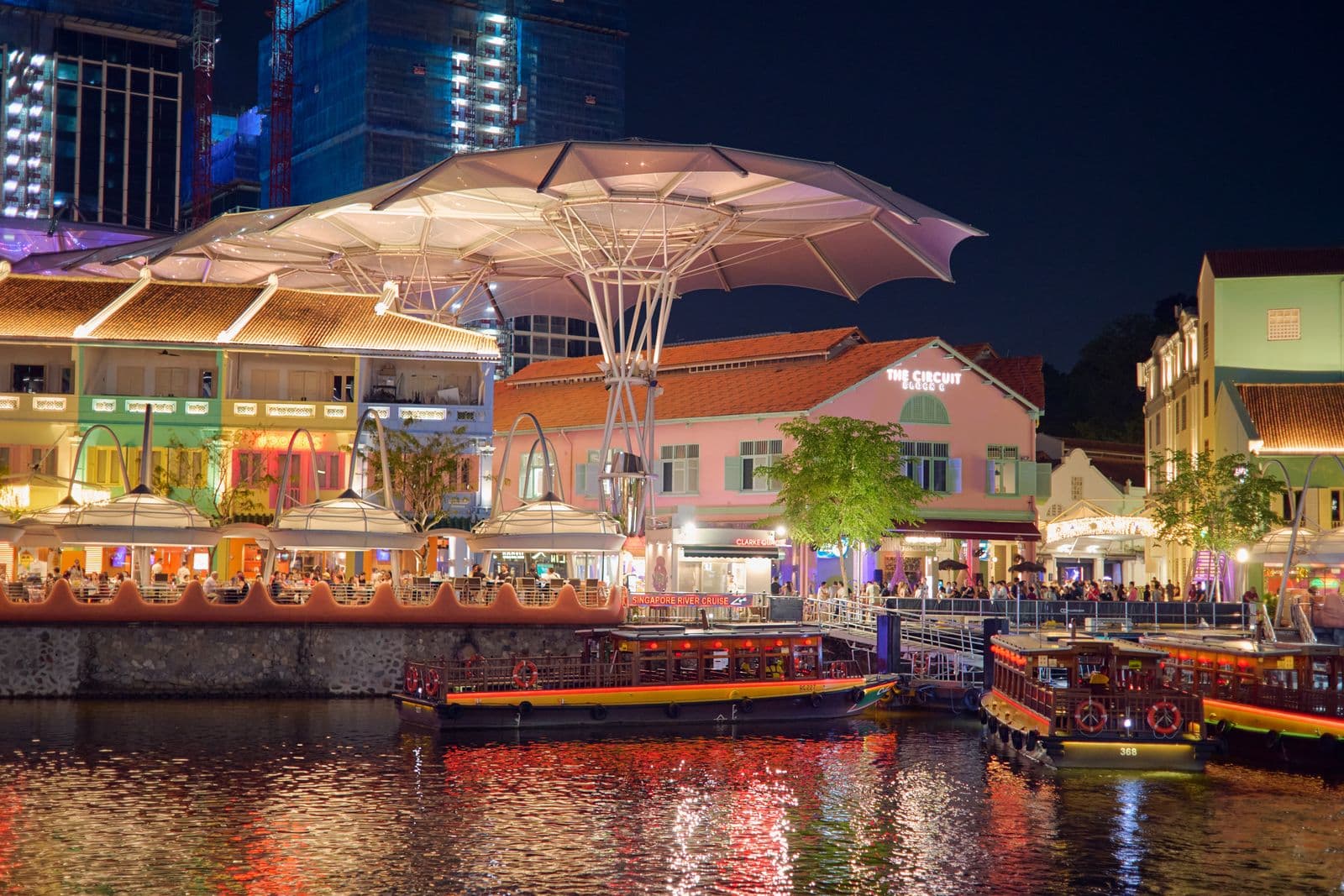
The Singapore River has two popular stretches to stay along. Clarke Quay is the restaurant-and-bar zone under giant umbrella-shaped canopies, with colored lights reflecting off the water every night and river cruise boats leaving from the piers out front. It suits people who want to eat and drink late and stroll straight back to their room. For a more relaxed riverside feel, move upstream to Robertson Quay, with its waterside restaurants, cafés and a riverside path locals use for morning runs — it is far quieter than Clarke Quay. From either one, you can follow the river down to Marina Bay in the evening, which is our favorite walk in Singapore.
What about Orchard and Marina Bay?
Neither is a bad choice, but both suit specific travelers. Orchard Road is a paradise for shoppers, with malls stretching for kilometers, but it gets fairly quiet at night and cheap eats are harder to find than in the older districts. Marina Bay has the island's best bay views, and the highest room rates to match. For a short visit, we'd stay in one of the older neighborhoods and take the MRT a few stops over for the evening light shows instead. If you're planning a day around that area, our 2-day Singapore itinerary covering Marina Bay and Sentosa pairs well with this guide.
Getting in from Changi Airport, and planning around the weather
Changi Airport sits on the east of the island and connects to the city by MRT; a few changes gets you to Chinatown or Bugis. Contactless credit cards work on the MRT, so there's no need to buy a separate transit card. If you land late or have several large bags, a taxi or ride-hailing car is more comfortable. As for weather, Singapore is hot and humid almost all year, with heavy showers that come and go — more so toward the end of the year — though they rarely last long. Keep a folding umbrella in your bag, spend the hottest part of the afternoon in an air-conditioned museum or mall, and save the old neighborhoods for evening walks when the breeze picks up.
Quick summary: who should stay where
First visit and want a bit of everything? Choose Chinatown. Into cafés, small shops and photo spots? Choose Bugis and Kampong Glam. On a budget and keen to see another side of the city? Choose Little India. Want to eat and drink late and walk home? Choose Clarke Quay — or Robertson Quay if you'd rather have some quiet. Once you've settled on an area, browse places to stay in Singapore on Trip.com to compare rates and reviews, and remember to check whether your room actually has a window before you commit.
Map of Singapore
Ready to book this trip? Check the latest prices and availability now.
Check stays in SingaporeFrequently Asked Questions
Where should first-time visitors stay in Singapore?
Chinatown or Bugis. Both are central, served by several MRT lines, have affordable hawker centres within walking distance, and put the main sights a short ride away.
Are hotel rooms in Singapore really small?
Most are smaller than rooms at a similar price in Bangkok, especially in boutique hotels converted from old shophouses — and some budget rooms have no window at all. Read the room details and check real photos before booking.
Is it noisy to stay near Clarke Quay?
Evenings are lively, especially on Friday and Saturday nights. For the riverside atmosphere with less noise, look at stays around Robertson Quay, a little further upriver.
Keep Reading
 📷 Guillaume Kremer / Pexels
5 Best Hotels in Namba, Osaka — Easy Access, Great Location (2026)
Updated picks for places to stay in Namba, near the subway and a 10-minute walk from Dotonbori — perfect for a shopping and food trip.
 📷 P. Hughes / Wikimedia Commons
Da Nang, Vietnam: Which Area to Stay In — Ba Na Hills, My Khe Beach, Han River (2026)
A guide to where to stay in Da Nang, Vietnam — from beachfront My Khe to the areas nearest the Ba Na Hills cable car, matched to your trip style.
 📷 Elina Volkova / Pexels
Where to Stay in Seoul: Myeongdong vs Hongdae (2026 Guide)
A guide to Seoul's two most popular tourist bases, Myeongdong and Hongdae — both near the subway, great for shopping and street food.