
Where to Stay in Tokyo: Shinjuku vs Shibuya Compared (2026)
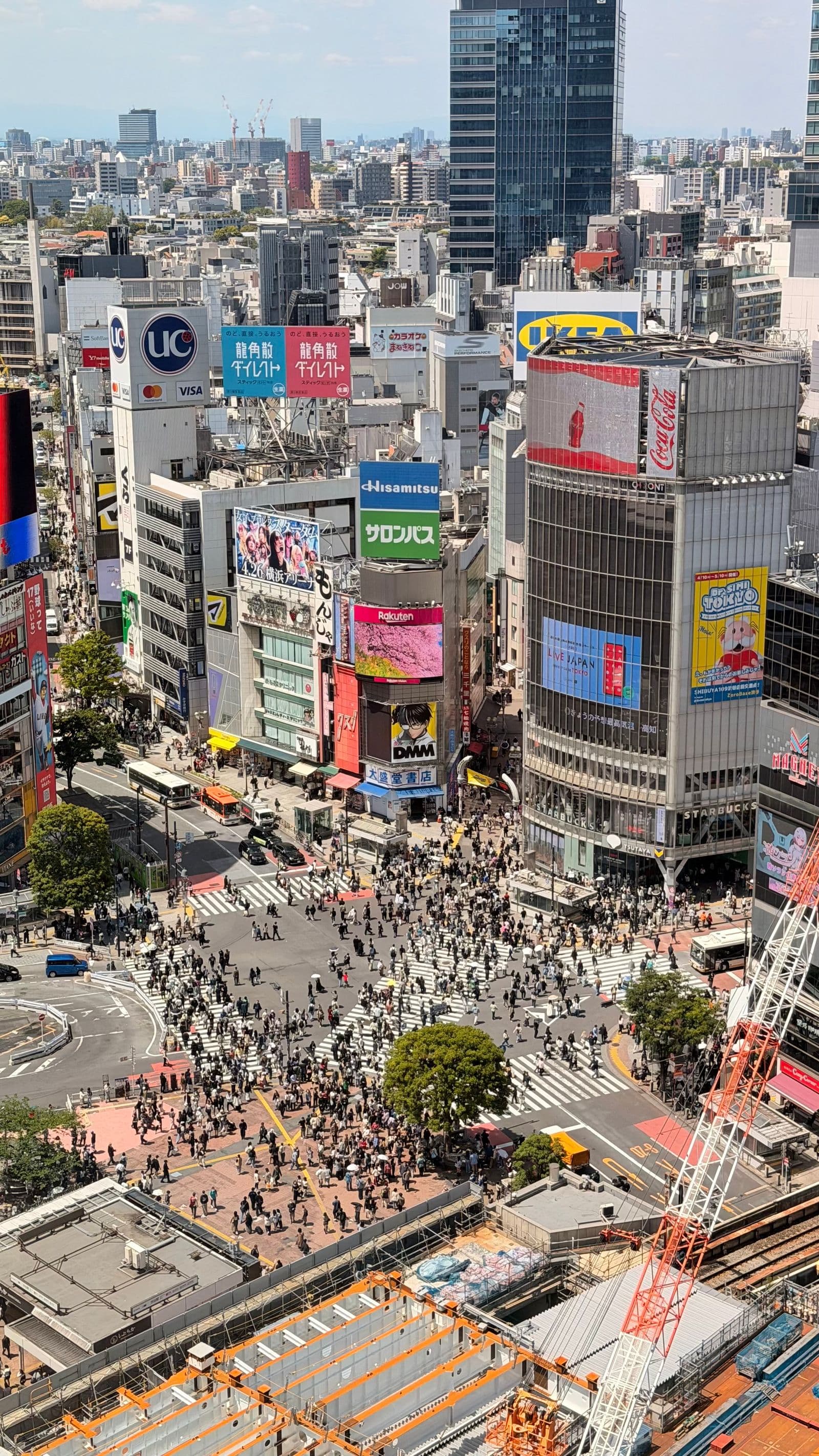
Photo by Stephan Leuzinger / Pexels
Ask anyone about the one Japan trip they want to take in their lifetime, and Tokyo is usually the first name that comes up. It's a capital that blends sleek high-rises with centuries-old shrines seamlessly — walk a few steps off a neon-lit street and you might stumble on a quiet alley hiding a tiny ramen shop. But before you get to experience any of that, the first decision to nail down is where to stay in Tokyo, since the city is so sprawling that picking the wrong base can eat up half your trip in transit time.
Why choosing the right area in Tokyo matters
Tokyo's train network is famously extensive and punctual, but it's also a maze of overlapping lines that can overwhelm first-timers. Staying near a major interchange saves both time and money on transport, which is exactly why Shinjuku and Shibuya are the two neighborhoods most visitors gravitate toward — both are packed with food and things to do within easy walking distance of your hotel.
Shinjuku: the transit hub that never sleeps
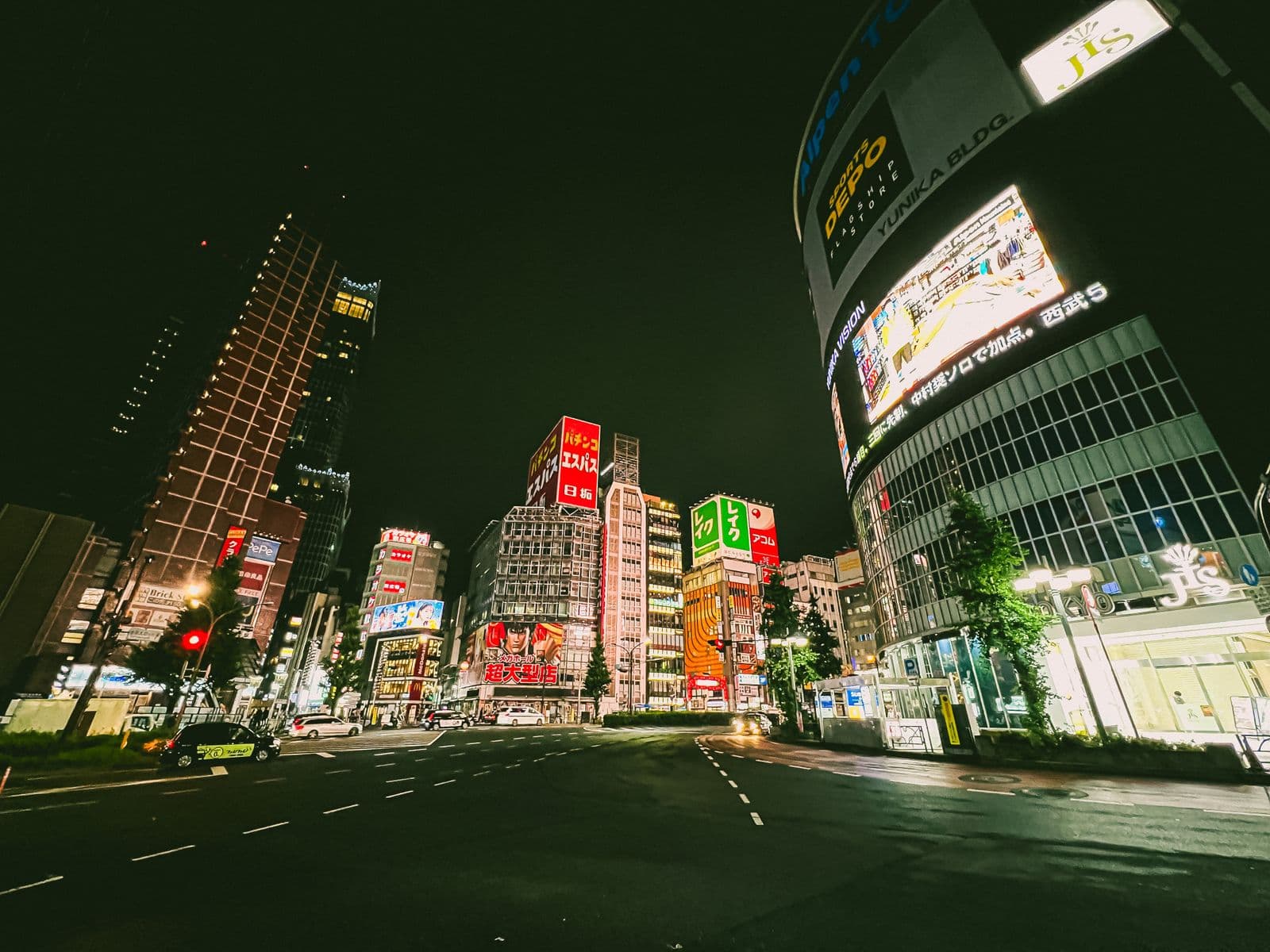
Shinjuku is home to the busiest train station in the world, where more than a dozen train and subway lines converge. Staying here means almost anywhere in Tokyo is reachable without multiple transfers. The area around the station is packed with department stores, restaurants open late into the night, and the entertainment district of Kabukicho, with neon signage that makes for great evening photos. It's the pick for anyone who wants the most convenient base in the city, full stop.
Shibuya: youthful, trendy, and fashion-forward
If Shinjuku is for travelers, Shibuya is the heart of Japanese youth culture and fashion. The must-see here is Shibuya Crossing, the intersection where thousands of pedestrians cross at once with every green light — an image that's become a Tokyo icon in its own right. The area is packed with fashion malls and stylish cafes, and a short walk further takes you to Harajuku, a hub of bold street fashion that's a must-visit for any first-time visitor.
Getting into town from Narita and Haneda airports
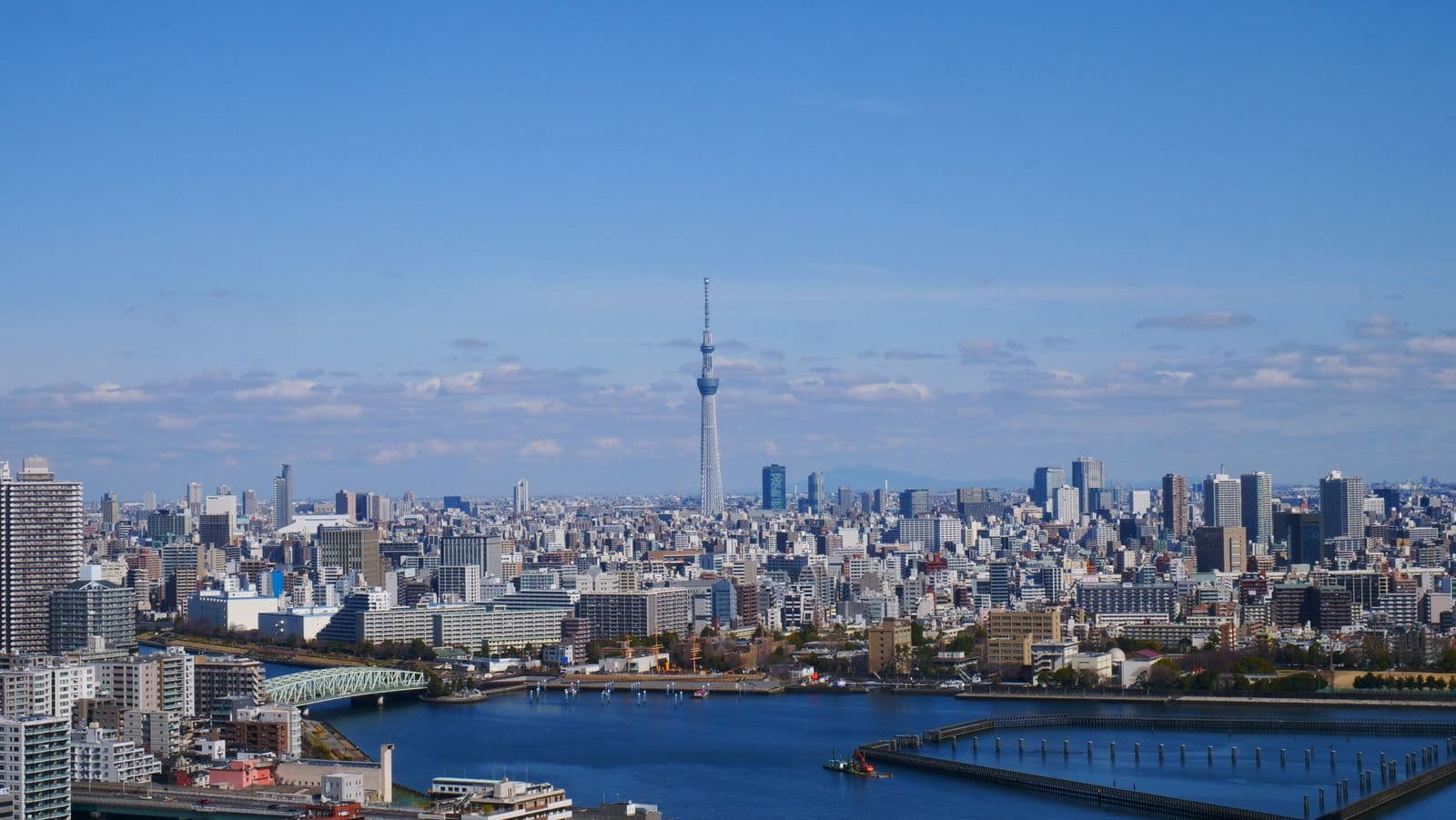
Tokyo is served by two main airports. Haneda sits much closer to the city — a train or bus ride into Shinjuku or Shibuya takes roughly 30-40 minutes. Narita is considerably farther out, requiring about 1 to 1.5 hours on an airport express train to reach the city center. If your flight lands at Haneda, you'll save real time and money, especially useful on a late-night arrival when you just want to reach your hotel.
What to eat around Shinjuku and Shibuya
Shinjuku is known for ramen shops tucked into narrow alleyways, alongside tiny yakitori joints and bars that seat only a handful of people but pack in atmosphere. Shibuya leans toward fusion restaurants and stylish cafes favored by the younger crowd. Whichever area you stay in, a single train ride gets you to the other for dinner — the two neighborhoods are only minutes apart.
The best time of year to visit Tokyo
Late March through early April is cherry blossom season, with cool, pleasant weather and parks across the city filled with pink blooms. October and November bring equally pleasant weather along with autumn foliage. It's best to avoid the height of summer, when the heat and humidity are intense and crowds swell during Japan's own domestic holiday season.
Tips for getting a good room rate in Tokyo
Hotels in Shinjuku tend to run slightly pricier than Shibuya due to their proximity to the main transit hub. Booking 2-3 months ahead usually gets a much better rate, especially during peak seasons like cherry blossom or autumn foliage when rooms sell out fast. Compare prices across a few dates before deciding — shifting your check-in by even a single day can make a noticeable difference.
Book a hotel in Tokyo here
Whether you go with Shinjuku for convenience or Shibuya for a trendier vibe, click Check Tokyo hotel prices to compare real-time rates, booked through Trip.com.
Map of Tokyo, Japan
Ready to book this trip? Check the latest prices and availability now.
Check Tokyo hotel pricesFrequently Asked Questions
Where should you stay in Tokyo, Shinjuku or Shibuya?
If getting around easily matters most, choose Shinjuku — it's Tokyo's biggest transit hub. If you want a trendier, youth-culture vibe, go with Shibuya. The two areas are less than 10 minutes apart by train, so you can easily visit both.
How many days do you need in Tokyo?
At least 4-5 days to properly cover both main areas plus nearby spots like Asakusa or Odaiba. With more time, you can add 1-2 days for a side trip to towns outside the city.
Keep Reading
 📷 Guillaume Kremer / Pexels
5 Best Hotels in Namba, Osaka — Easy Access, Great Location (2026)
Updated picks for places to stay in Namba, near the subway and a 10-minute walk from Dotonbori — perfect for a shopping and food trip.
 📷 P. Hughes / Wikimedia Commons
Da Nang, Vietnam: Which Area to Stay In — Ba Na Hills, My Khe Beach, Han River (2026)
A guide to where to stay in Da Nang, Vietnam — from beachfront My Khe to the areas nearest the Ba Na Hills cable car, matched to your trip style.
 📷 Elina Volkova / Pexels
Where to Stay in Seoul: Myeongdong vs Hongdae (2026 Guide)
A guide to Seoul's two most popular tourist bases, Myeongdong and Hongdae — both near the subway, great for shopping and street food.