
Osaka Street Food Guide: What to Eat from Kuromon Market to Shinsekai
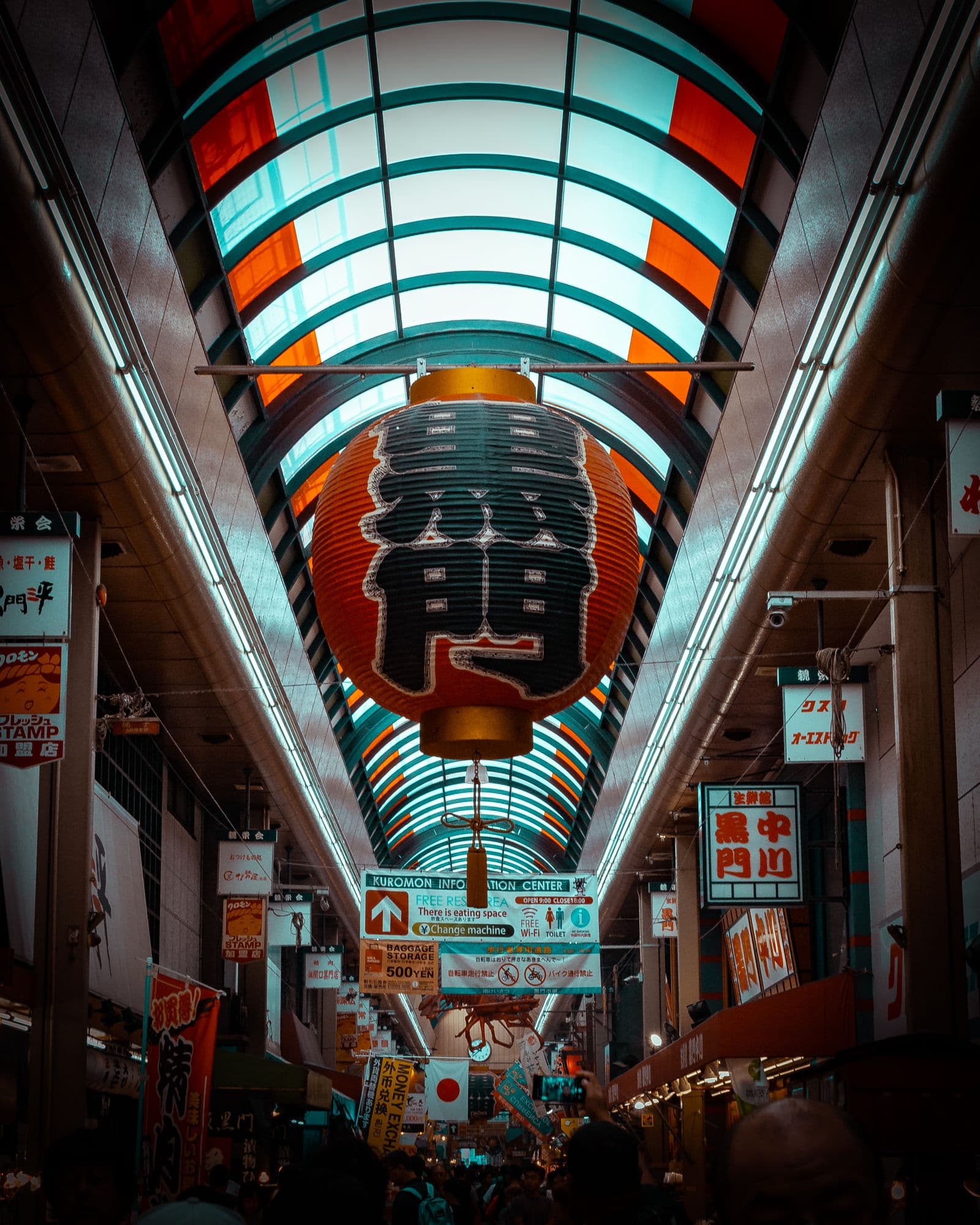
Photo by Ruiz . / Pexels
The smell of sweet-salty sauce catching on a hot iron plate, vendors calling out over each other and over the music from the next shop, smoke from grilled scallops drifting up into the neon — that's the welcome waiting in the food districts of Osaka, a city other Japanese people freely admit is the country's kitchen. This guide walks you through it in the order we think works best, from a morning market to a late-night skewer bar.
Kuidaore: the Osaka habit of eating until you drop
Locals have a saying, kuidaore, which roughly means to eat yourself into ruin. It reflects a merchant city that would rather spend money on food than on clothes. The result is that street food here is never just a snack: every stall has its own recipe and competes seriously enough that two takoyaki stands side by side can taste completely different. That's what makes grazing your way through Osaka more fun than committing to one fancy restaurant for the whole night.
Kuromon Market: go late morning, not mid-afternoon
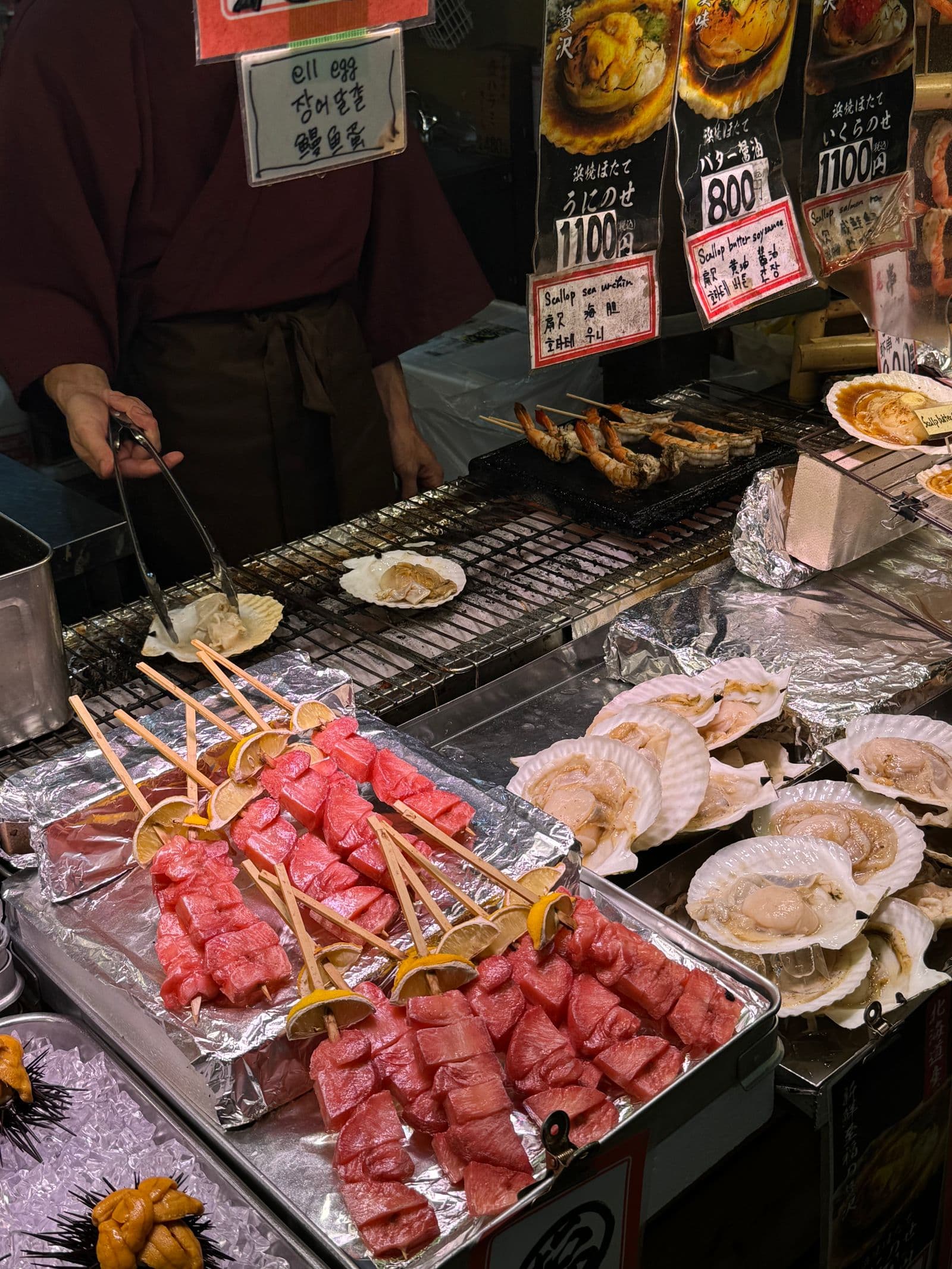
Kuromon Market is a long covered market selling everything from fresh-cut tuna and sea urchin to sweet rolled omelette and skewers of grilled wagyu. Our advice is to get there late morning, before noon: the stalls are all open but the tour groups haven't flooded in yet. By late afternoon many vendors are packing up and the aisles get too crowded to stop and eat. One more thing to know — Kuromon is priced for visitors and noticeably more expensive than supermarkets or neighbourhood sushi counters, so treat it as a place to sample a skewer or two rather than sit down for a big meal.
Takoyaki vs okonomiyaki: don't eat it all at one stall
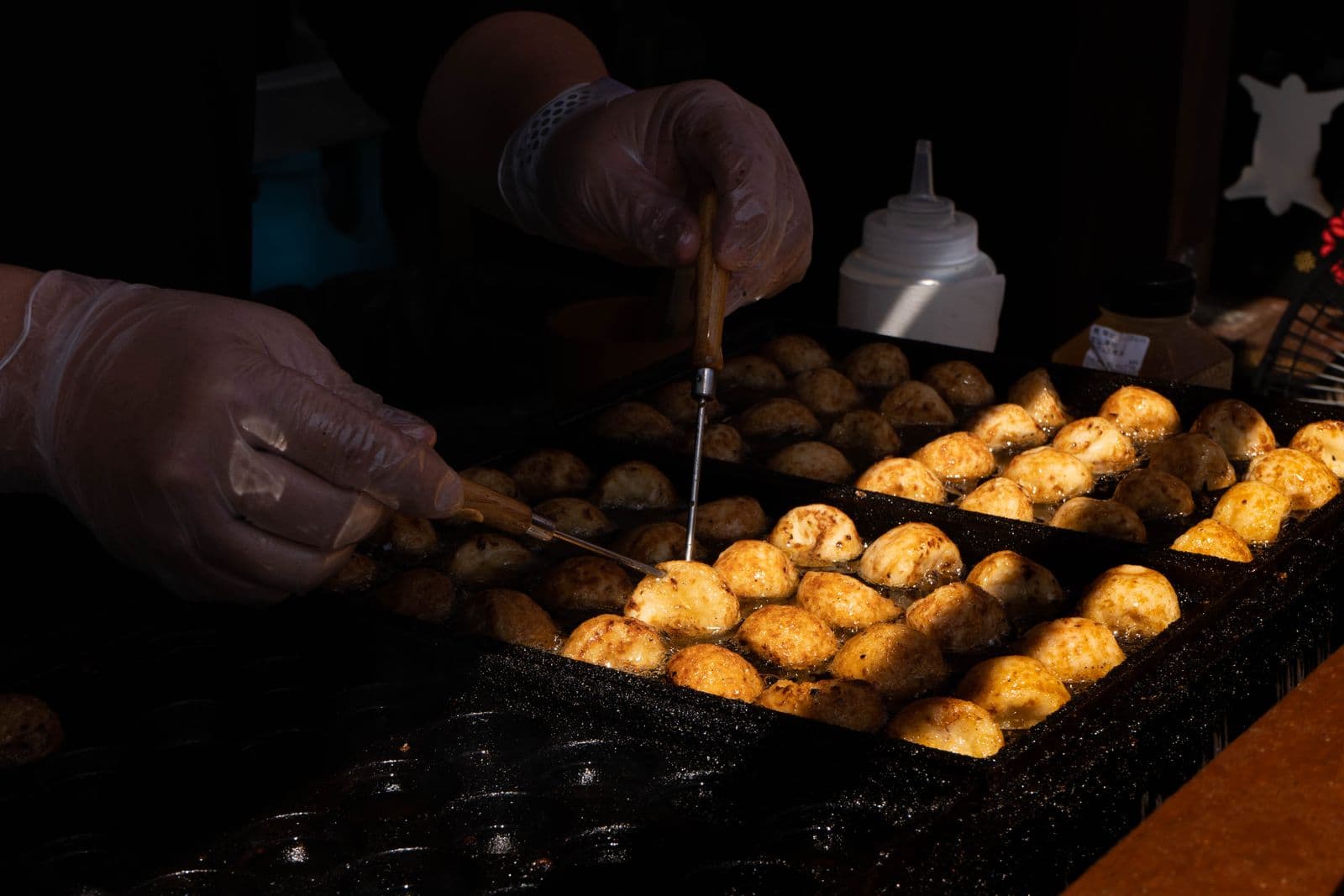
Proper Osaka takoyaki has a thin crisp shell and an inside that's almost liquid, so always blow on it first unless you want a burnt tongue. The local trick is to buy small boxes from two or three stalls and compare, because each one differs — from the size of the octopus pieces to how heavy the sauce is. Okonomiyaki, the cabbage pancake cooked on a hot plate, is better eaten sitting down. Many places let you grill it yourself at the table, which is more fun than it sounds if you're in a group.
Dotonbori at night: a long queue doesn't always mean better food
The canal at Dotonbori after dark is the image everyone has of Osaka — the giant crab, the pufferfish lantern and the running-man sign all reflected in the water. The stalls on the main strip tend to have long lines because they appear in every review, but after several visits we've found that places just a few steps down the narrow side alleys are often just as good with far shorter waits. If a queue is more than twenty people deep, try the next alley over before you commit.
Shinsekai: old-school Osaka where kushikatsu is the star
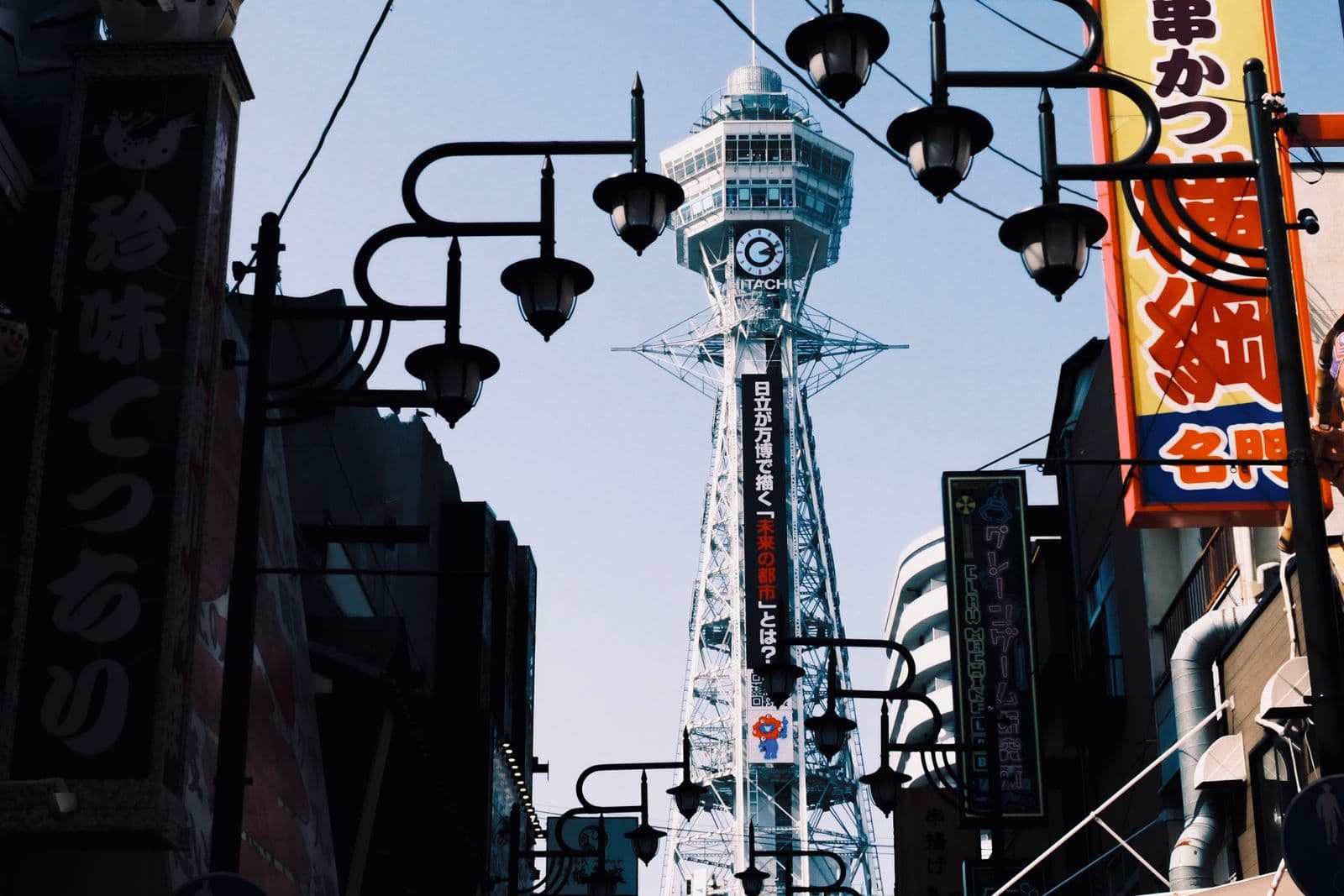
In the shadow of Tsutenkaku Tower, Shinsekai feels like an older Osaka that hasn't been polished up for tourists: loud shop signs, uncles drinking beer from mid-afternoon, and rows of kushikatsu bars serving deep-fried skewers of pork, prawn, asparagus, cheese and quail egg. The one rule every shop posts on the wall is no double-dipping — the sauce pot is shared by the whole table. If you want more sauce after biting, use the fresh cabbage provided to spoon it on instead. It's a small courtesy locals notice immediately.
Escape the crowds on Tenjinbashisuji
If the Namba crowds start wearing you down, ride the subway a few stops to the Tenjinbashisuji shopping street, a covered arcade often described as the longest in Japan. This is where locals actually buy their groceries, with freshly fried croquettes, red-bean taiyaki and small sushi counters that are noticeably kinder on the wallet than Kuromon. It's less flashy than Dotonbori, but you get to see an ordinary weekday Osaka that most visitors skip entirely.
Getting in from Kansai Airport, and where to stay
Direct trains run from Kansai Airport to Namba Station in around an hour, or less on the express services. For a food-focused trip, staying in Namba or Shinsaibashi is the most convenient choice — both are a few minutes' walk from Dotonbori and Kuromon, so you can eat late and stroll back without chasing the last train. If this trip continues on to the capital, have a look at our guide to choosing between Shinjuku and Shibuya in Tokyo to plan the second half.
Book a hotel close to Osaka's food districts
The closer you stay to the food, the more meals you'll fit in. Check real-time availability and prices at Book a hotel in Namba, Osaka through Trip.com — and arrive hungry from day one.
Map of Osaka, Japan
Ready to book this trip? Check the latest prices and availability now.
Check hotels in Namba, OsakaFrequently Asked Questions
What's the best time to visit Kuromon Market?
Late morning, before noon. Most stalls are open by then but the tour groups haven't arrived yet. By late afternoon many vendors start packing up and the choice shrinks noticeably.
How many days do you need for Osaka street food?
Two full days is about right if eating is the main goal: Kuromon and Dotonbori on day one, Shinsekai and the Tenjinbashisuji shopping street on day two, so you're not cramming everything into one meal.
Keep Reading
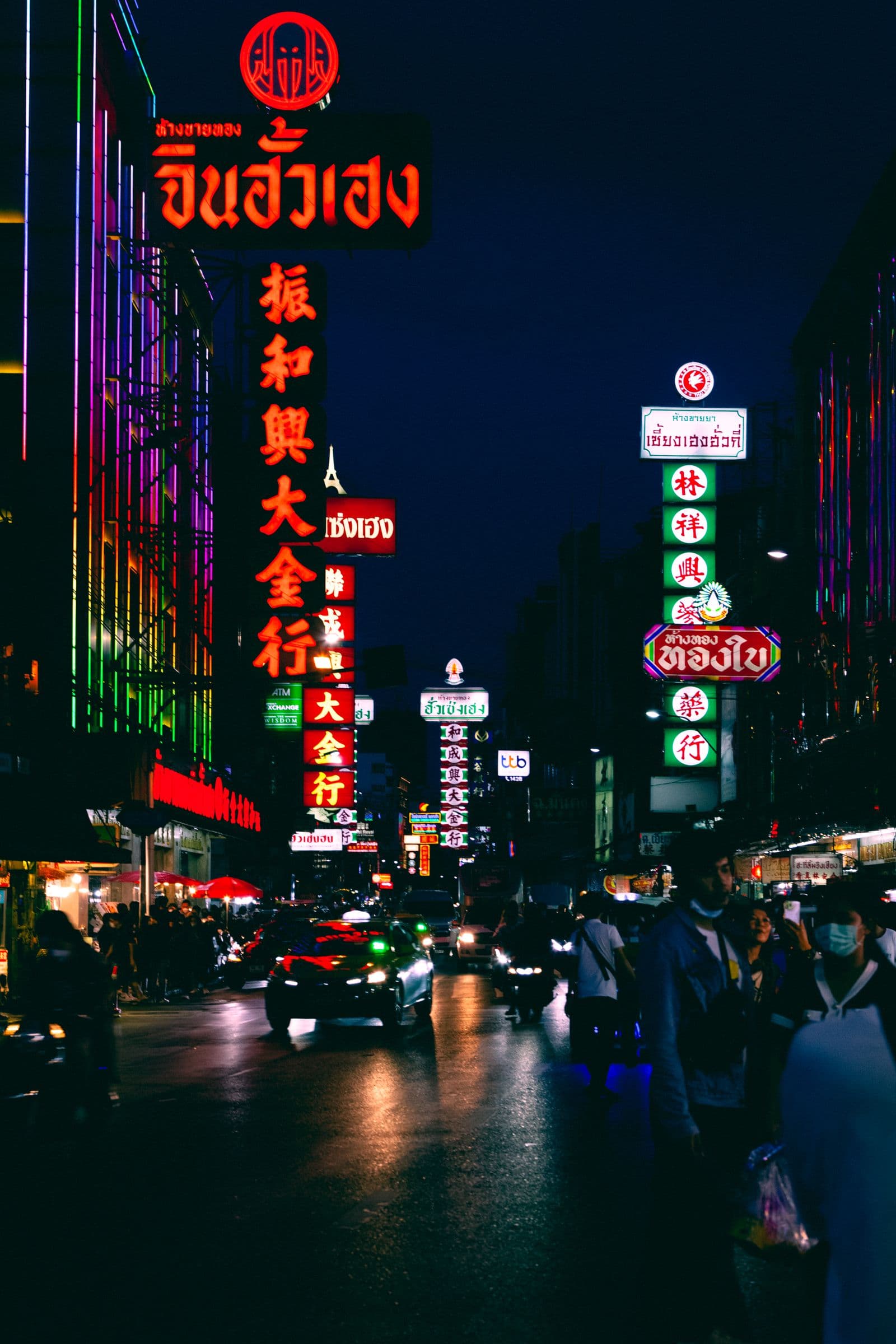 📷 Dmitriy CauseLove / Pexels
Yaowarat Street Food Guide — Best Eats in Bangkok's Chinatown
A guide to Bangkok's Yaowarat Chinatown street food scene — from stir-fried noodles to oyster omelets and dim sum, plus when to go and how to get there.
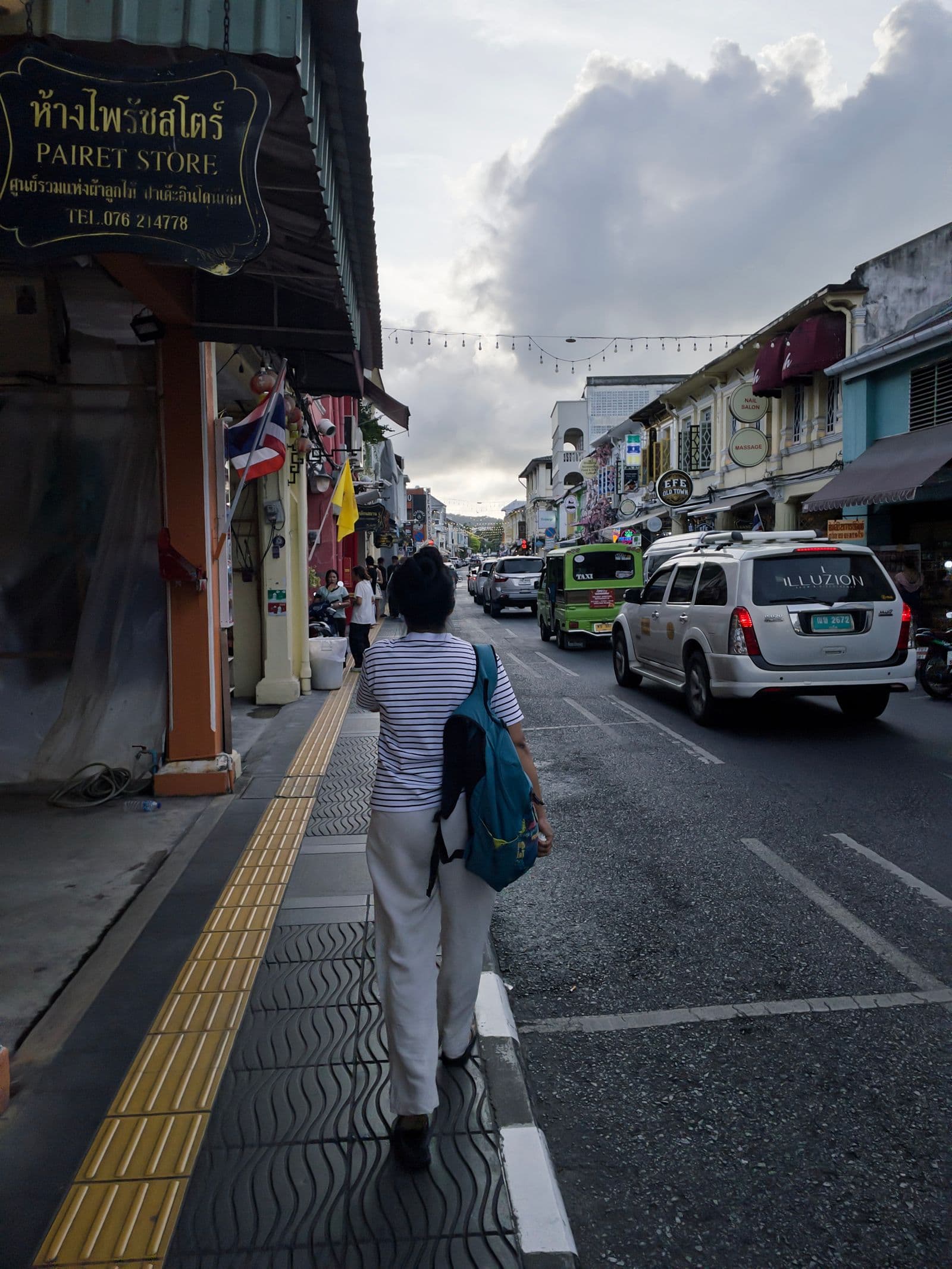 📷 Macros Guy / Pexels
What to Eat in Phuket Old Town — Local Dishes You Have to Try
A guide to Phuket Old Town's local food scene amid colorful Sino-Portuguese buildings — from mee hokkien to oh tao and moo hong, plus the best time to visit.
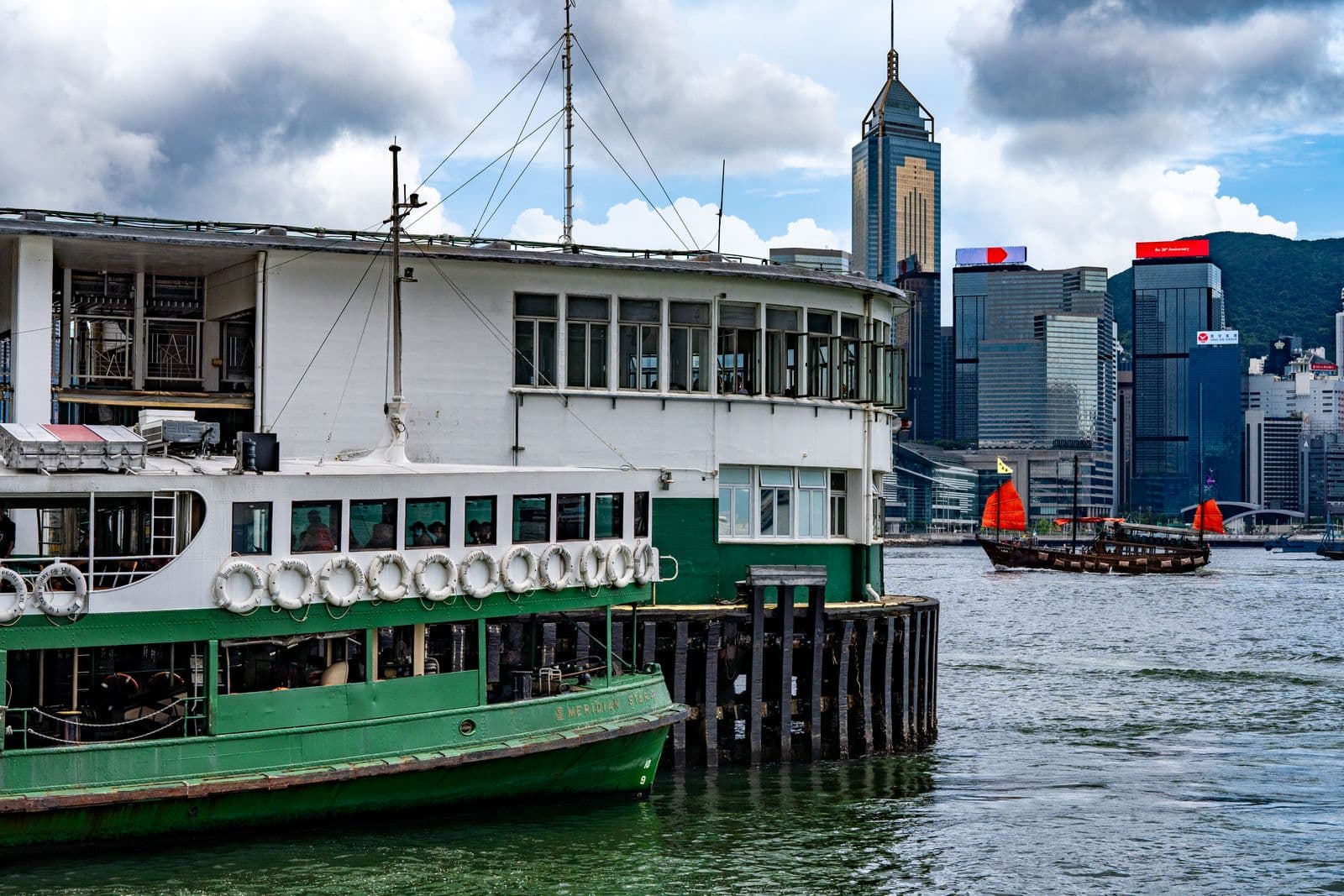 📷 Water White / Pexels
What to Eat in Tsim Sha Tsui, Hong Kong: A Weekend Food Guide
The best eats in Tsim Sha Tsui, Hong Kong, for a short weekend trip — all within walking distance of the Star Ferry pier.