
How Many Days in Da Nang? A 4-Day Itinerary with Ba Na Hills & Hoi An
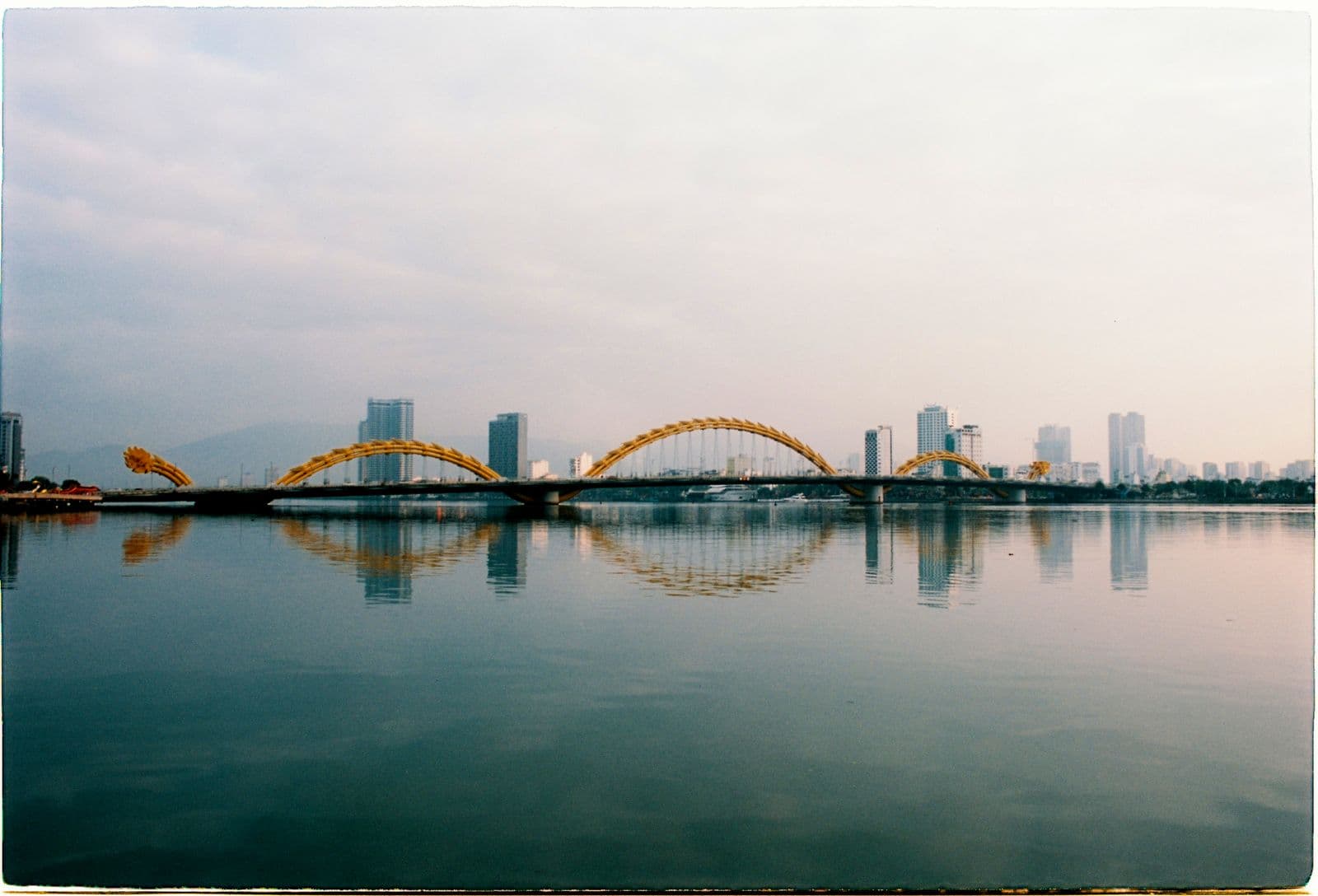
Photo by Giang Nguyễn / Pexels
At six in the morning, Da Nang's endless beach is still quiet enough to hear the waves. Fishermen drag round basket boats up the sand, retirees practise tai chi facing the sea, and the tourists are still asleep in their hotels. By nightfall the same city flips completely: the bridge across the Han River cycles through colours section by section, and seafood joints set up low tables until they fill the pavement. Da Nang packs sea, mountains and an old town into less than an hour's drive. The real question isn't where to go — it's how to split your days so you see it all without wearing yourself out.
The short answer: 4 days, 3 nights is the sweet spot
After trying out several versions of this plan, we think 4 days and 3 nights is the most comfortable length for a first visit. One full day for Ba Na Hills, one for the Marble Mountains and the Son Tra Peninsula, half a day for Hoi An, and the rest for lazing on the beach — the part many itineraries forget to budget for. With only 3 days you can still make it work, but you'll have to pick between Ba Na Hills and Hoi An, since each eats up more than half a day. If you have 5 days or more, spend a night in Hoi An rather than doing a same-day round trip.
Day 1: The Han River, a morning market and the Dragon Bridge at night
Da Nang's airport is so close to the city that there's barely anything to plan: a taxi or ride-hailing car gets you to your hotel in no time, leaving the first day free for wandering. Start at Han Market, which has fruit, local snacks and tailors who'll make an ao dai within the day. Then walk the Han River promenade once the sun softens. After dark, head for the Dragon Bridge, where weekend nights often bring a show of fire and water shooting from the dragon's head. Be warned: it gets very crowded, and if you stand near the head you'll probably get wet. Watching from a riverside café on the opposite bank is far more relaxed.
Ba Na Hills: genuinely beautiful, but you're playing a game with the fog
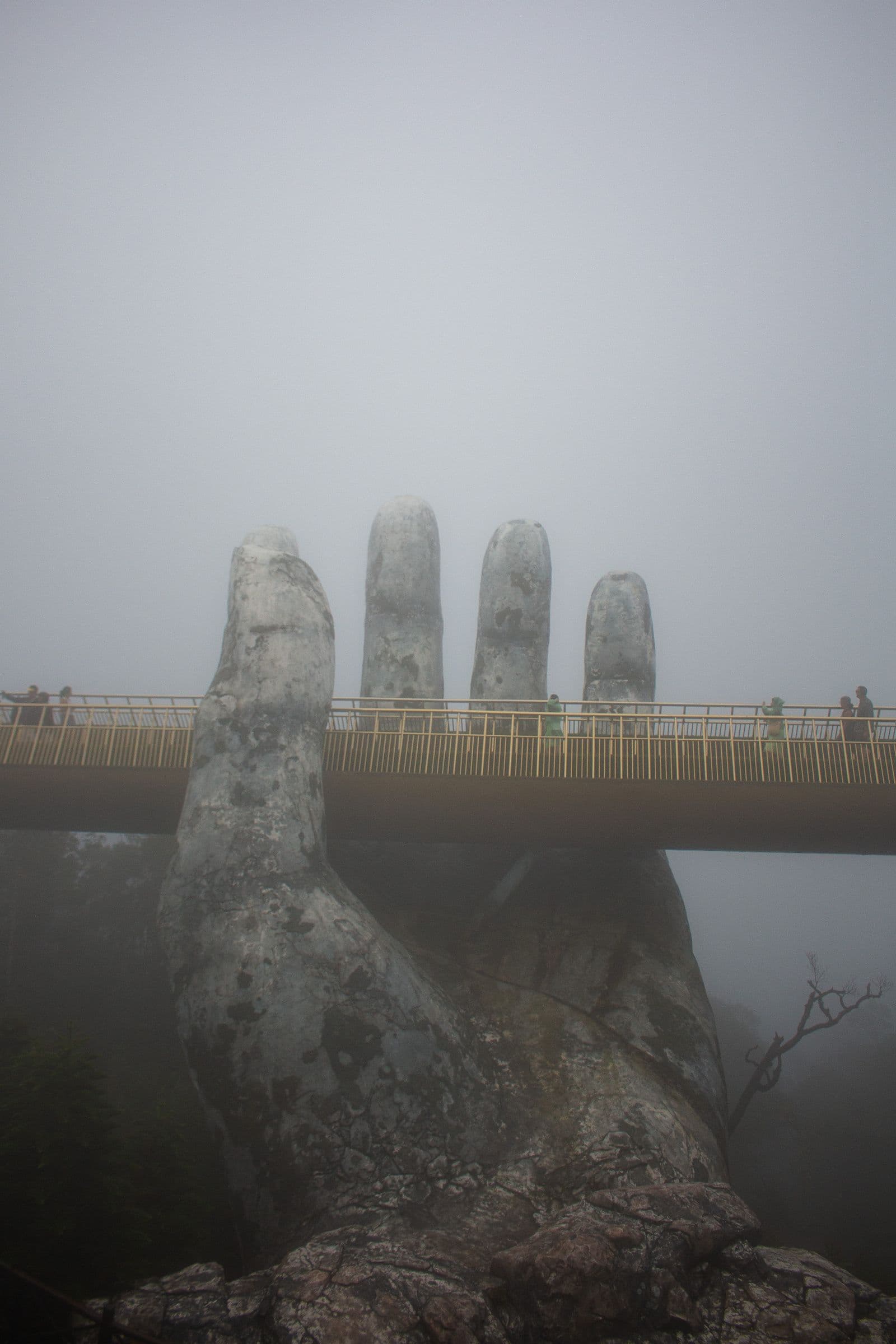
Ba Na Hills is the reason plenty of people fly to Da Nang in the first place. A very long cable car ride carries you up to a summit that's noticeably cooler than the coast. The highlight is the Golden Bridge, cradled by two giant stone hands, with a European-style village, flower gardens and a ride zone further up. The key trick is the fog: the peak is high enough for clouds to drift across it all day, and on some days you reach the bridge and can only see a few metres of railing ahead. The misty version has its own beauty, but if you want open views, check the forecast and take the earliest morning run you can. Something few people mention: Vietnamese families visit in huge numbers at weekends, so late-morning cable car queues are noticeably longer than on weekdays.
The Marble Mountains: a cave where sunlight falls like a spotlight
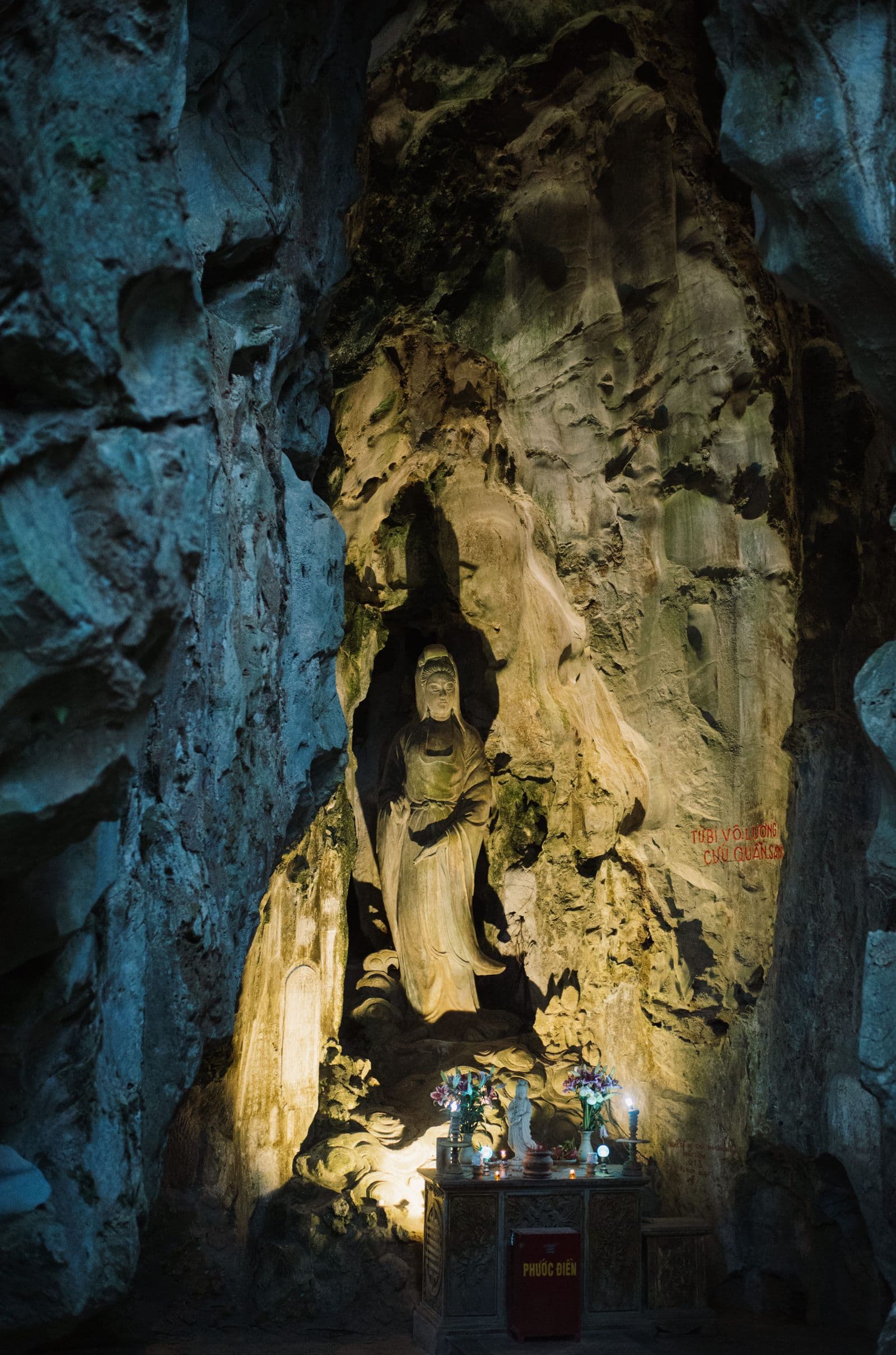
A short way south of the city, the Marble Mountains are a cluster of five limestone hills rising straight out of the plain. The most popular one has both stairs and a lift, and at the top you'll find pagodas, shrines and several caves. Our favourite is the large cave with an opening in its roof: in the late morning a shaft of sunlight falls through it onto the Buddha statue inside, with an atmosphere photos can't quite capture. Wear shoes with good grip, since the stone steps inside the caves are slippery and steep, and don't feel obliged to stop at the carved-stone shops at the foot of the hill unless you genuinely want to buy something.
Son Tra Peninsula: a towering Lady Buddha and red-legged monkeys
In the afternoon, head north to the Son Tra Peninsula, a lush green mountain that juts out into the sea. Up there is Linh Ung Pagoda with its tall white Lady Buddha facing the ocean, and a view over the whole curve of Da Nang Bay. With luck you'll spot the native red-legged monkeys foraging in the roadside trees — a rare local species that shouldn't be fed. The road up is steep and winding, so unless you're genuinely comfortable riding a motorbike on mountain roads, hiring a car with a driver is much safer.

Half a day in Hoi An: arrive late afternoon, stay until the lanterns light up
Hoi An's old town is about forty-five minutes from Da Nang by car. Many people go first thing in the morning, then run into harsh sun and tour groups and run out of energy before noon. We suggest leaving Da Nang in the late afternoon instead: wander past the old yellow houses and the Japanese Bridge as the light softens, then stay until the coloured lanterns come on across town and float a paper lantern on the Thu Bon River before heading back to sleep in Da Nang. That way you see both faces of Hoi An in just a few hours.
Great meals that don't need a reservation
Da Nang is a city where you eat well without spending much. In the morning, try mi quang — flat yellow noodles in just a splash of broth, the signature dish of central Vietnam. In the evening, sit down at one of the seafood restaurants along My Khe Beach, pick clams, crab and prawns straight from the tanks and tell them how you want them cooked. The only caution: always confirm the price per kilo before you order. For a more detailed list of dishes and where to find them, read our Da Nang street food guide before you go.
Da Nang's rainy season: what to know before you book
Da Nang doesn't follow the same rain pattern as Bangkok. Roughly February to May is the dry season, with clear water and the best swimming conditions. Mid-year is very hot but still perfectly doable. Around October and November, though, central Vietnam gets its heaviest rain, and in some years storms and flooding cancel outdoor activities. If you have to travel then, put Ba Na Hills in the middle of your trip so you can swap days, and book accommodation with free cancellation.
Beach or river? Choose your base and book your Da Nang stay
For this itinerary, staying near My Khe Beach gives you sea views in the morning while keeping the city a short ride away. If you'd rather walk to restaurants and see the Dragon Bridge every night, the Han River side is more convenient. Pick the area that fits your style, then tap Book a stay near My Khe Beach, Da Nang to check availability through Trip.com.
Map of Da Nang, Vietnam
Ready to book this trip? Check the latest prices and availability now.
Check stays near My Khe Beach, Da NangFrequently Asked Questions
How many days do you need in Da Nang for a first trip?
4 days and 3 nights is about right: enough for Ba Na Hills, the Marble Mountains, the Son Tra Peninsula and an evening in Hoi An. With only 3 days it still works, but you'll have to choose whether Ba Na Hills or Hoi An gets more of your time.
What's the best time of year to visit Da Nang?
Roughly February to May is dry with calm seas. Around October and November is central Vietnam's heavy-rain season, when floods or storms are possible, so leave a spare day in your plan.
Should I go to Ba Na Hills in the morning or the afternoon?
To avoid the crowds, go in the morning and get to the cable car station as early as you can. The weather on the summit changes quickly, so check the forecast before you set off, and skip weekends if you can.
Keep Reading
 📷 มหฺ ปณฺฑิโต / Pexels
3-Day Chiang Mai Nature Itinerary — Where to Go
A nature-focused Chiang Mai itinerary covering Doi Suthep, Mon Cham, and outdoor spots you shouldn't miss.
 📷 Vyacheslav Argenberg / Wikimedia Commons
How Many Days for Koh Lipe? Andaman Sea Clarity You Have to See
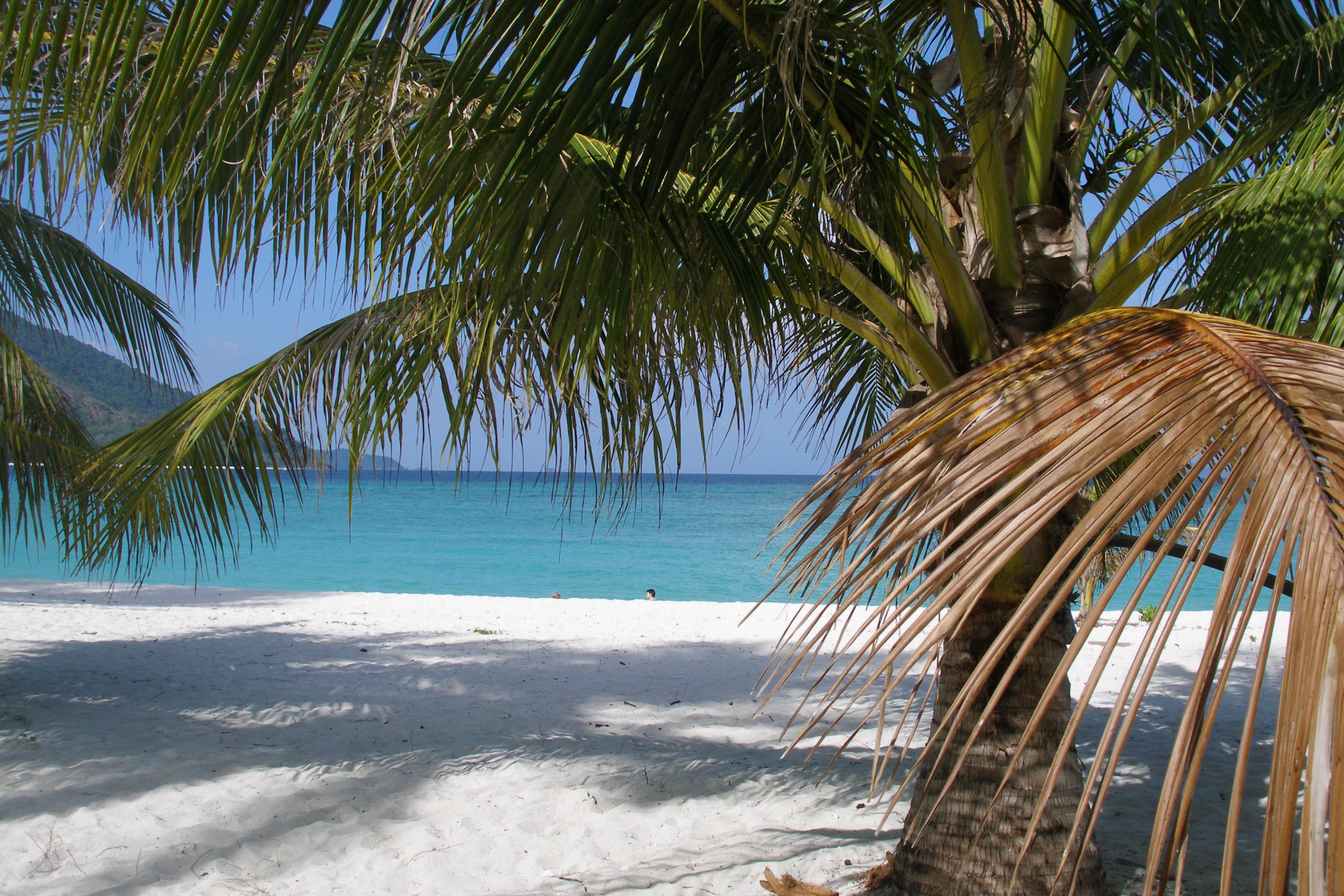
A Koh Lipe trip planner — how many days to spend, diving and snorkeling highlights, white-sand beaches, and the best time of year to visit.
 📷 Tito Zzzz / Pexels
Siguniang Mountain, Sichuan: China's Trekking Gem Near Chengdu
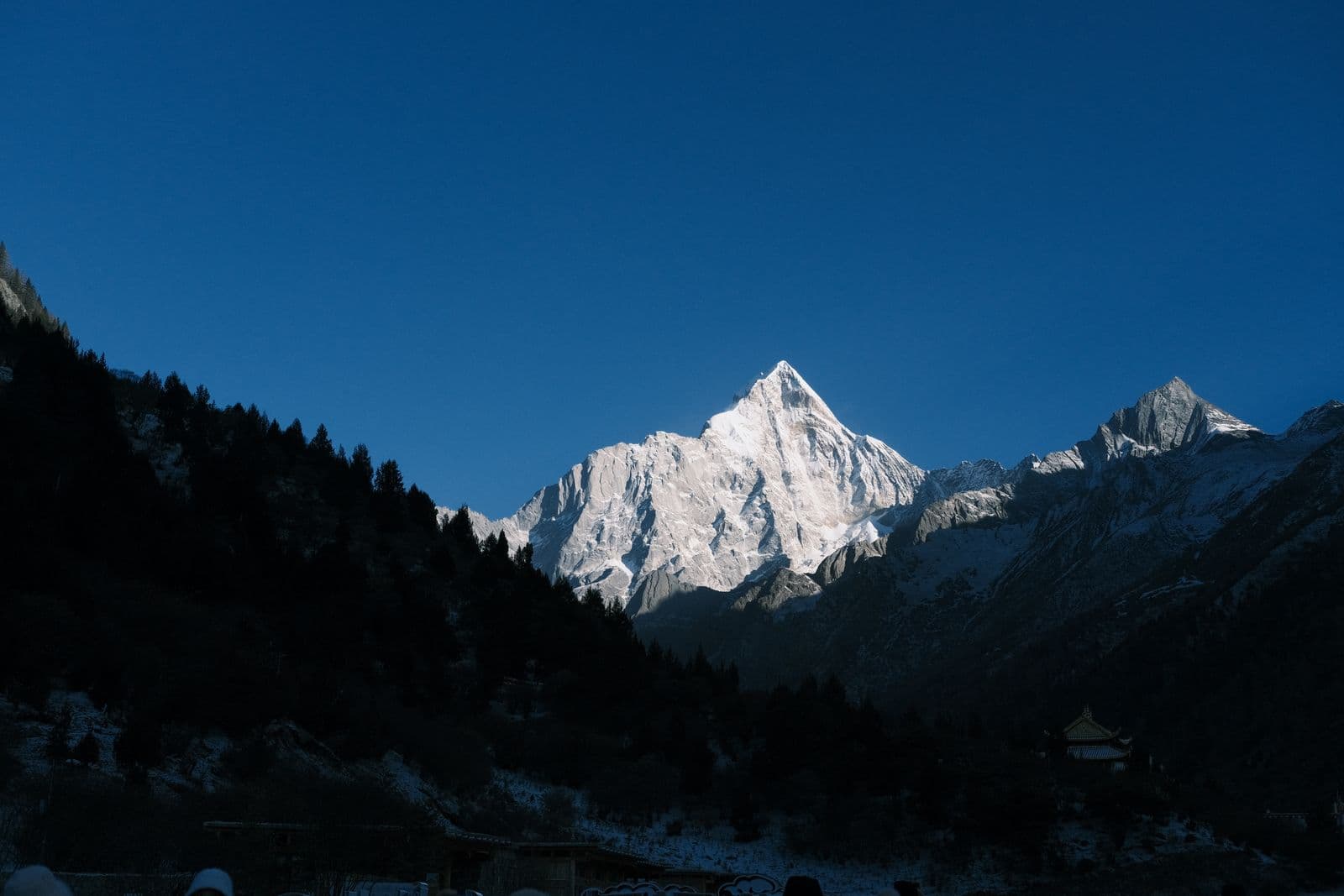
Meet Siguniang Mountain, the snow-capped range in Sichuan trekkers call the 'Alps of the East' — here's how to reach it from Chengdu.