
How Many Days in Hong Kong? A 3-4 Day Itinerary with Kowloon, The Peak and Lantau
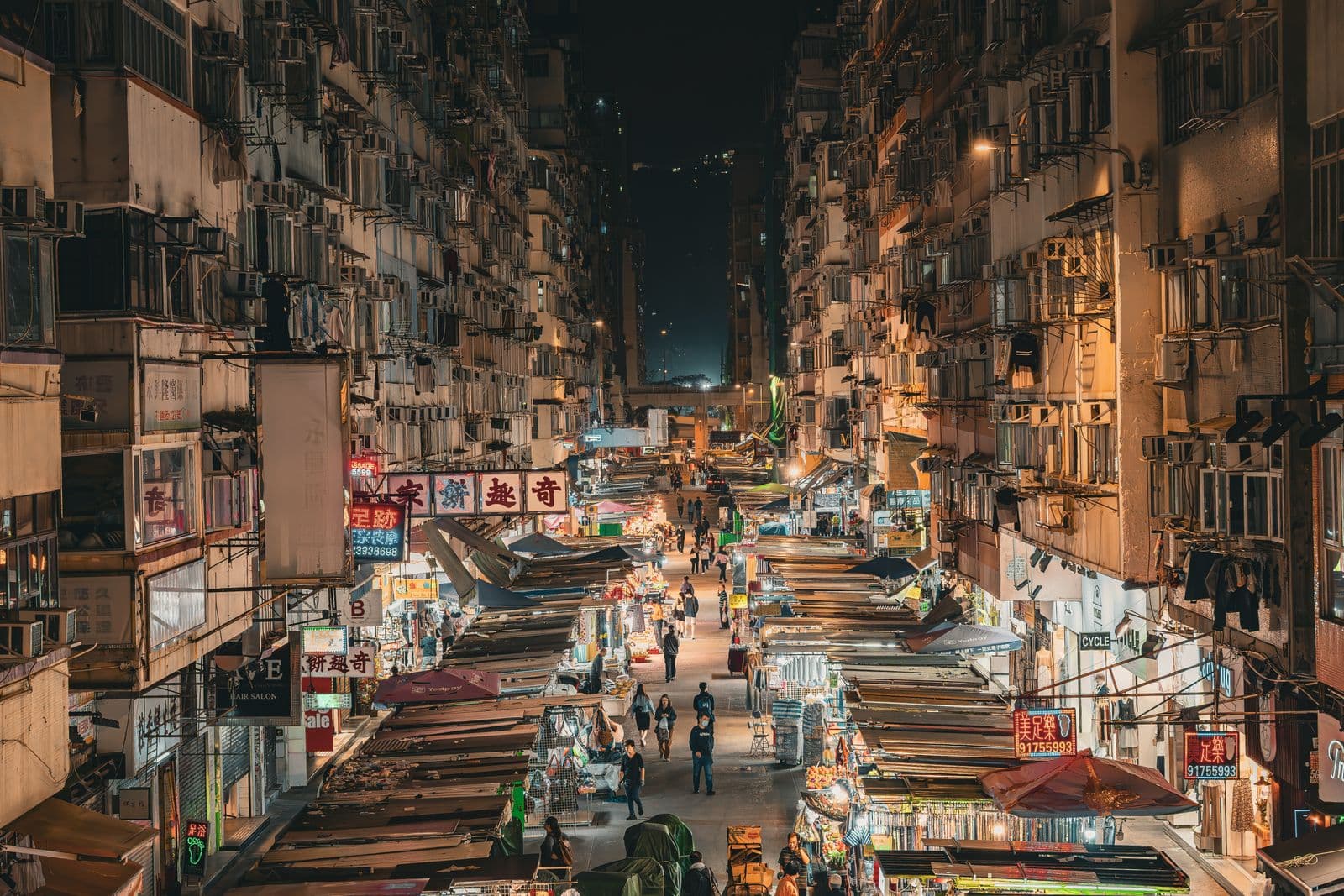
Photo by Ehsan Haque / Pexels
Few cities in Asia make you feel like you've stepped into a film set just a three-hour flight from Bangkok. Chinese neon signs jut out over the street, double-decker trams ding their bells, and towers climb until they run into steep green hills. Hong Kong is exactly that kind of place. The only catch for first-timers is that it's smaller than you'd think but far denser than you'd expect — without a sensible day-by-day plan, you'll waste hours shuttling back and forth across the harbour.
3 days or 4? It comes down to Lantau
If you're sticking to the city — Kowloon, Hong Kong Island and The Peak — three days is comfortable without rushing. If you also want to visit the Big Buddha on Lantau Island, make it four, because getting there and back alone eats up about half a day. Plenty of people try to squeeze Lantau into the same day as The Peak and end up racing up the hill after dark, missing the view they came for. If time is truly tight, dropping Lantau beats cramming everything in and never properly seeing any of it.
Day 1: Kowloon, from the waterfront to the night markets
Ease in on day one around Tsim Sha Tsui: walk the harbourfront promenade for the Hong Kong Island skyline, then work your way north along Nathan Road. In the evening head to Mong Kok for night-market stalls of clothes and toys, and the street where goldfish hang in bags in long rows — odd at first sight, but pure Hong Kong. If you want to plan dinner in more detail, our guide to what to eat in Tsim Sha Tsui pairs well with this day.
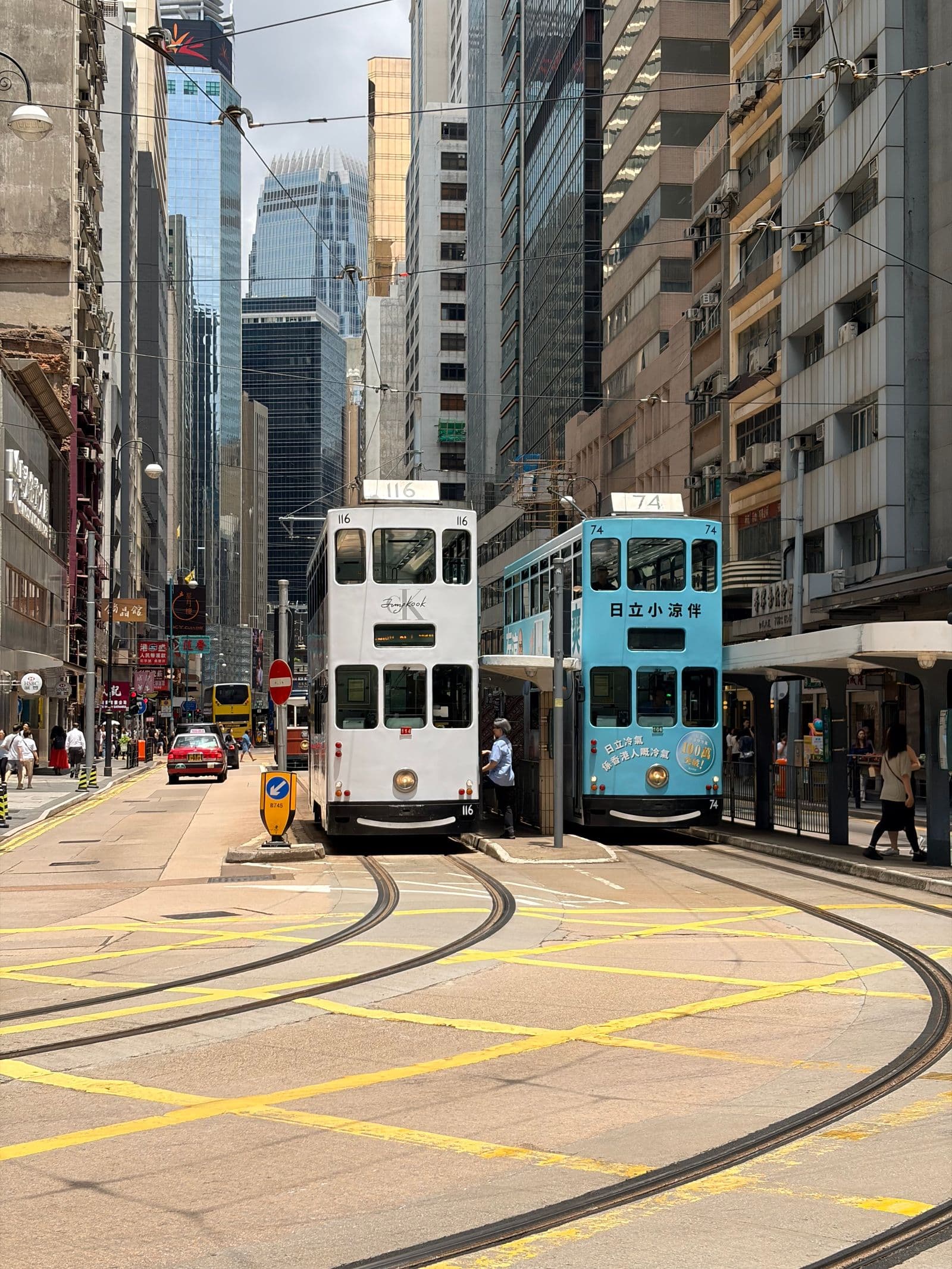
Day 2: cross by ferry, then ride the double-decker trams
Our favourite way across the harbour isn't the subway but the Victoria Harbour ferry: under ten minutes, with an unobstructed view of skyscrapers on both shores. Once you land in Central, hop on one of the double-decker trams locals call the ding-ding. Grab an upstairs window seat and let it drift you through older neighbourhoods like Sheung Wan and Causeway Bay. It's many times slower than the subway, but it's the view that explains why people fall for this city.
The Peak: go up by Peak Tram, come down by bus
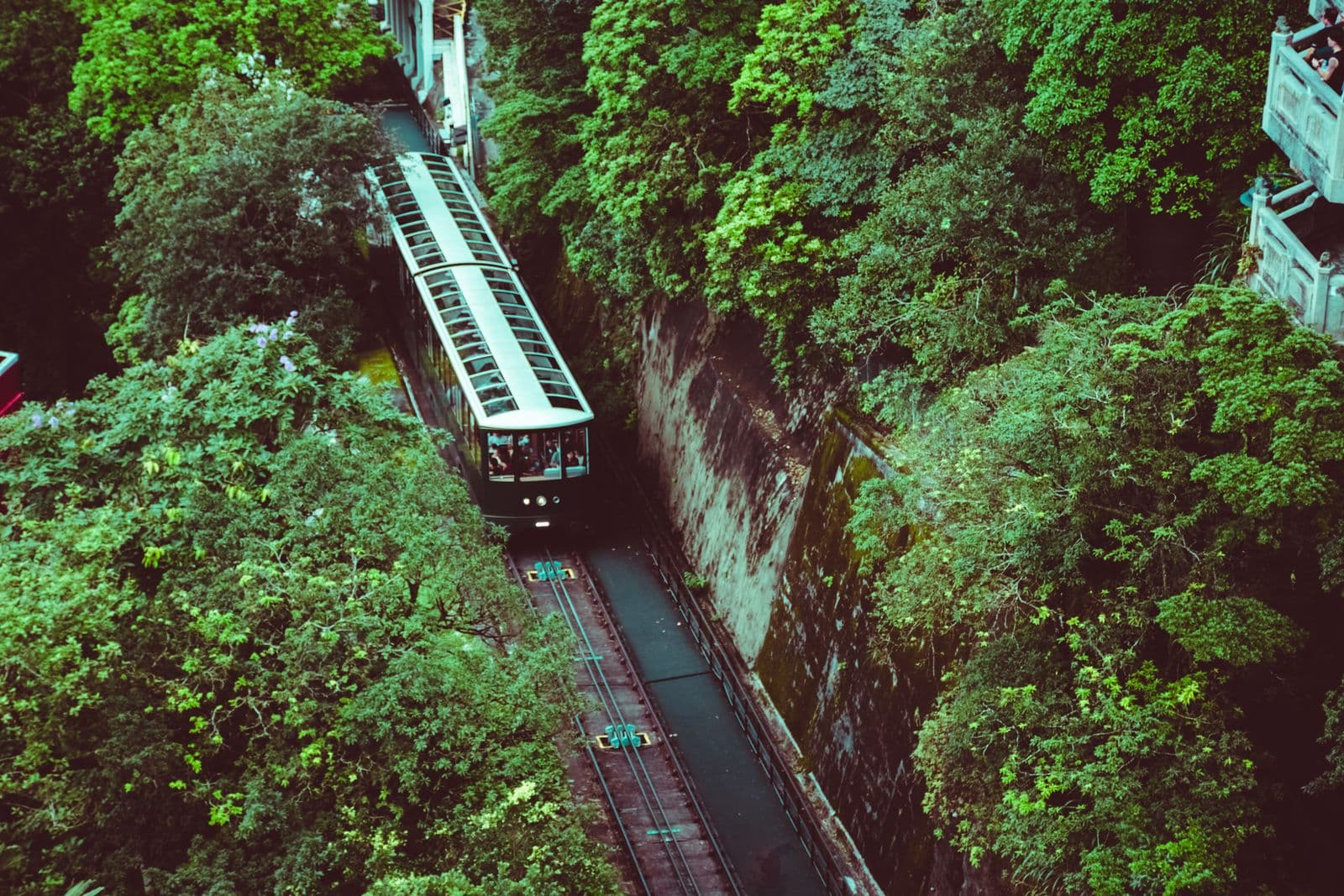
The Peak is the viewpoint everyone should visit at least once. The Peak Tram climbs so steeply that the buildings outside seem to tilt, and it's worth riding once. The catch is that the queue to come back down in the early evening is often much longer than the one going up. Our suggestion: take the double-decker bus that winds down the hill instead — the views on the way are just as good and you won't stand in line for ages. The sweet spot is to go up about an hour before sunset, so you get daylight views, golden hour and the city lights switching on all in one visit.
Day 3: Lantau Island, the Tian Tan Buddha and Tai O village
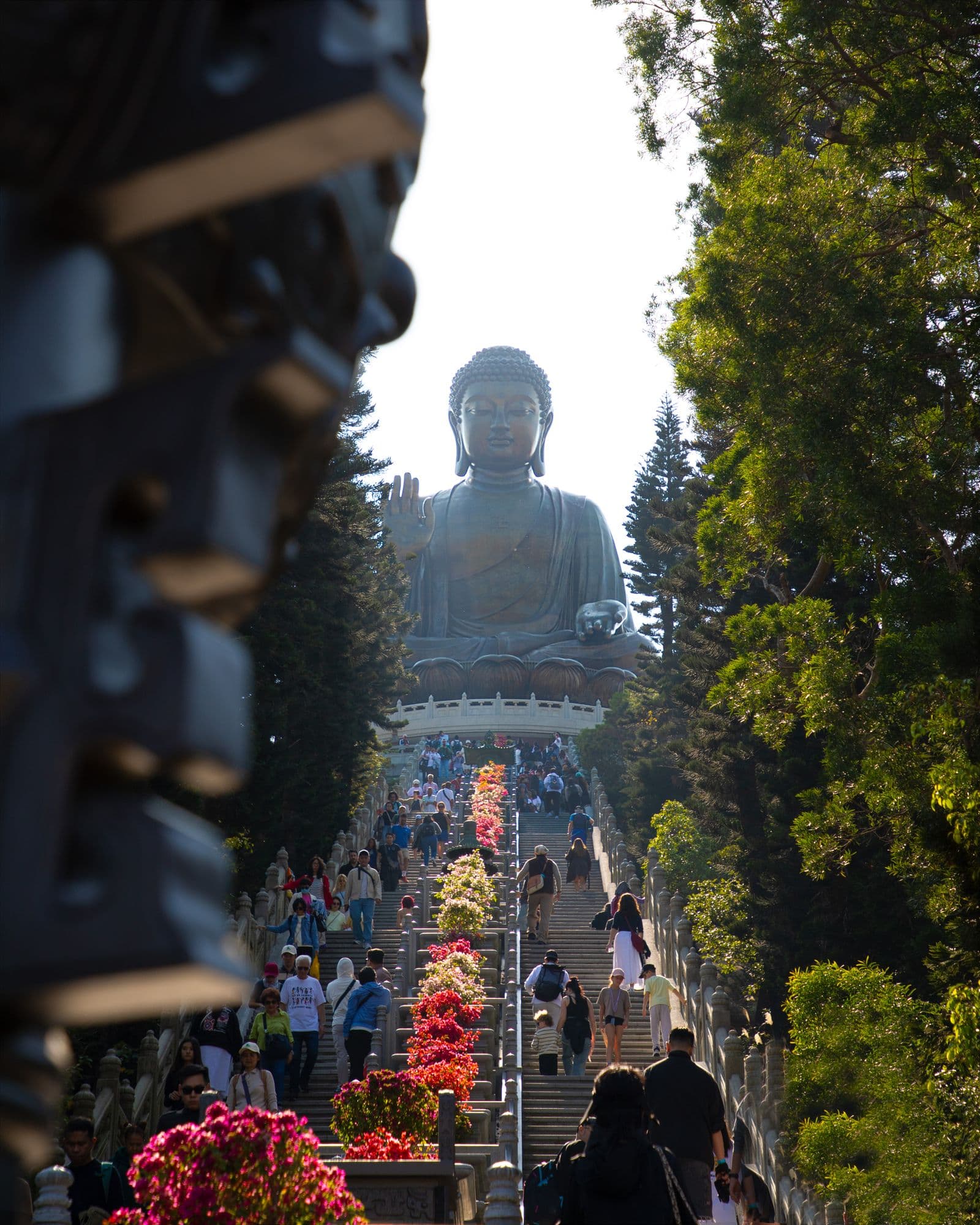
Lantau Island is Hong Kong's other side, with mountains, sea and monasteries. The highlight is the bronze Tian Tan Buddha on a hilltop — a climb of a few hundred steps, but the surrounding views are worth every drop of sweat. You can get up by cable car or by bus. On a clear day the cable car is the more memorable ride, but if it's windy or misty the bus is the safer bet. On the way back stop at Tai O, a fishing village of stilt houses over the water, for grilled squid and old-style egg waffles before heading into the city.
When to go, and what to know about typhoons before you book
October to December is Hong Kong's golden window: dry, clear skies and cool enough to walk all day. Mid-year is hot and humid, with a chance of typhoons. When a storm approaches, the authorities issue tiered warning signals, and things like the cable car or harbour ferries may pause service temporarily. If you travel then, schedule Lantau and The Peak in the middle of your trip so you can swap days around the weather.
Getting in from the airport, and which side to stay on
From Hong Kong International Airport, the Airport Express train reaches Kowloon and Central in roughly twenty to thirty minutes. To save money, several double-decker bus routes run straight to the main hotel districts — slower, but with views of the long sea bridges. For first-timers, staying in Kowloon is usually better value, with plenty of food and easy airport access. If you'd rather be near the bars and The Peak, Hong Kong Island suits you better, though rooms tend to be smaller for the same budget.
Book your Hong Kong stay for this trip
Hong Kong hotels fill up fast, especially towards the end of the year, so the sooner you check the more choice you'll have. Tap Book a hotel in Kowloon, Hong Kong to see real-time availability and prices through Trip.com, then start slotting your days into this plan.
Map of Hong Kong
Ready to book this trip? Check the latest prices and availability now.
Check hotels in Hong KongFrequently Asked Questions
How many days do you need in Hong Kong for a first visit?
Three days covers Kowloon, Hong Kong Island and The Peak. If you also want to see the Big Buddha on Lantau without rushing, allow four, since Lantau takes up most of a day.
When is the best time to visit Hong Kong?
October to December is usually the driest and most comfortable. Mid-year is hot and humid with a chance of typhoons, so keep a backup plan if you travel then.
Is it better to stay in Kowloon or on Hong Kong Island?
Most first-timers get better value in Kowloon around Tsim Sha Tsui or Mong Kok, with plenty of food and easy airport access. Hong Kong Island suits people who want to be close to The Peak and the bar districts.
Keep Reading
 📷 มหฺ ปณฺฑิโต / Pexels
3-Day Chiang Mai Nature Itinerary — Where to Go
A nature-focused Chiang Mai itinerary covering Doi Suthep, Mon Cham, and outdoor spots you shouldn't miss.
 📷 Vyacheslav Argenberg / Wikimedia Commons
How Many Days for Koh Lipe? Andaman Sea Clarity You Have to See
A Koh Lipe trip planner — how many days to spend, diving and snorkeling highlights, white-sand beaches, and the best time of year to visit.
 📷 Tito Zzzz / Pexels
Siguniang Mountain, Sichuan: China's Trekking Gem Near Chengdu
Meet Siguniang Mountain, the snow-capped range in Sichuan trekkers call the 'Alps of the East' — here's how to reach it from Chengdu.