
Where to Go in Japan During Rainy Season: Kamakura & Hakone
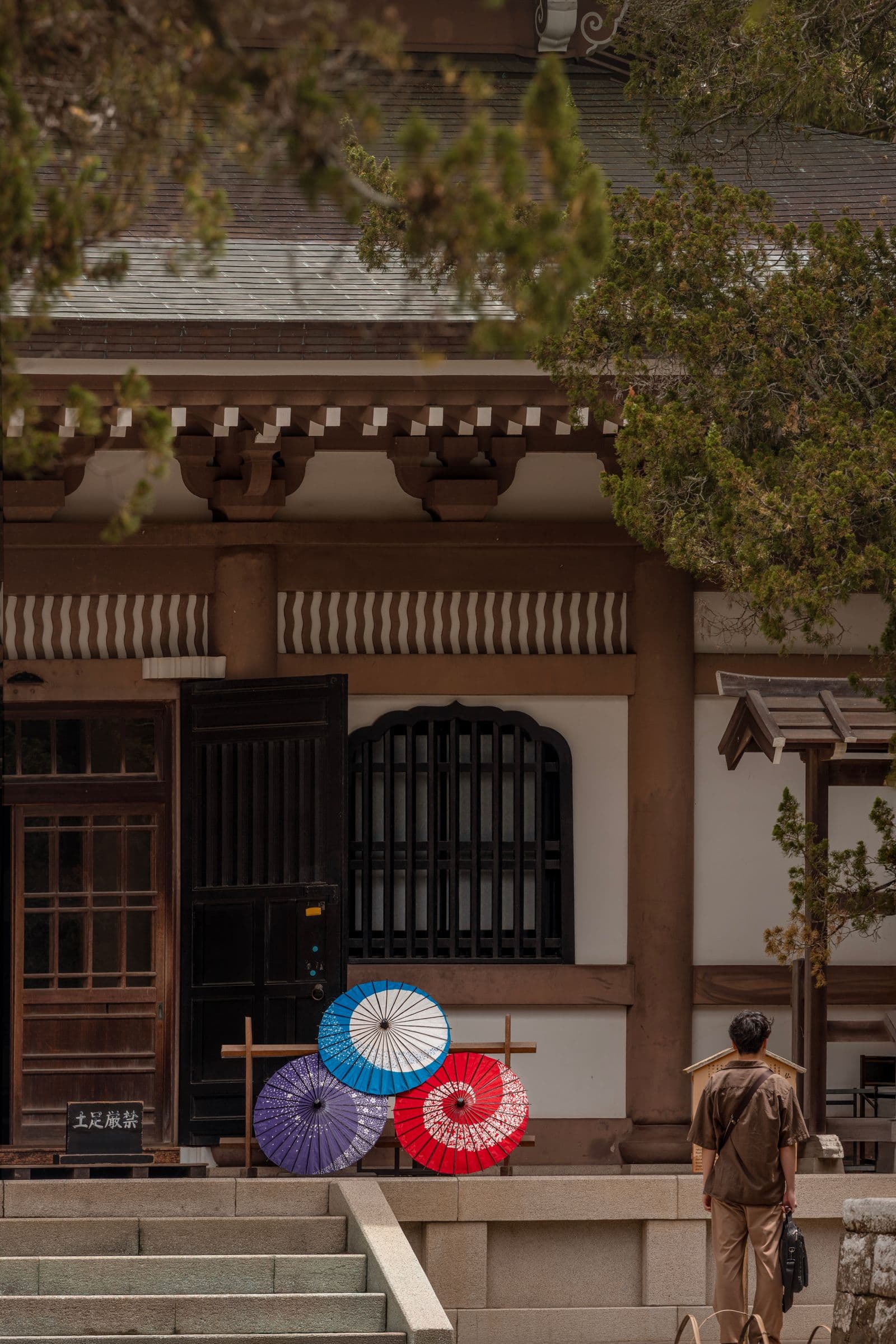
Photo by Tetyana Kovyrina / Pexels
Plenty of travelers avoid Japan during rainy season, worried it'll ruin their itinerary. But the rainy season — locally called tsuyu — actually has a charm you won't find in any other season, especially in Kamakura, the seaside town near Tokyo famous for hydrangeas blooming across its temples, and Hakone, a hot-spring town in the mountains where misty rain only makes the outdoor soaks feel cozier.
Why rainy season is actually a great time to visit
The clearest advantage of visiting during rainy season is noticeably smaller crowds compared to cherry blossom or autumn foliage season. Shorter queues, more breathing room at temples and gardens, and nature that looks especially vivid — the rain brings out a deep, saturated green in the trees and moss. Walking through an old temple in a light drizzle turns into its own kind of memory, quietly different and, honestly, a little romantic.
Kamakura: hydrangeas at their best in the rain
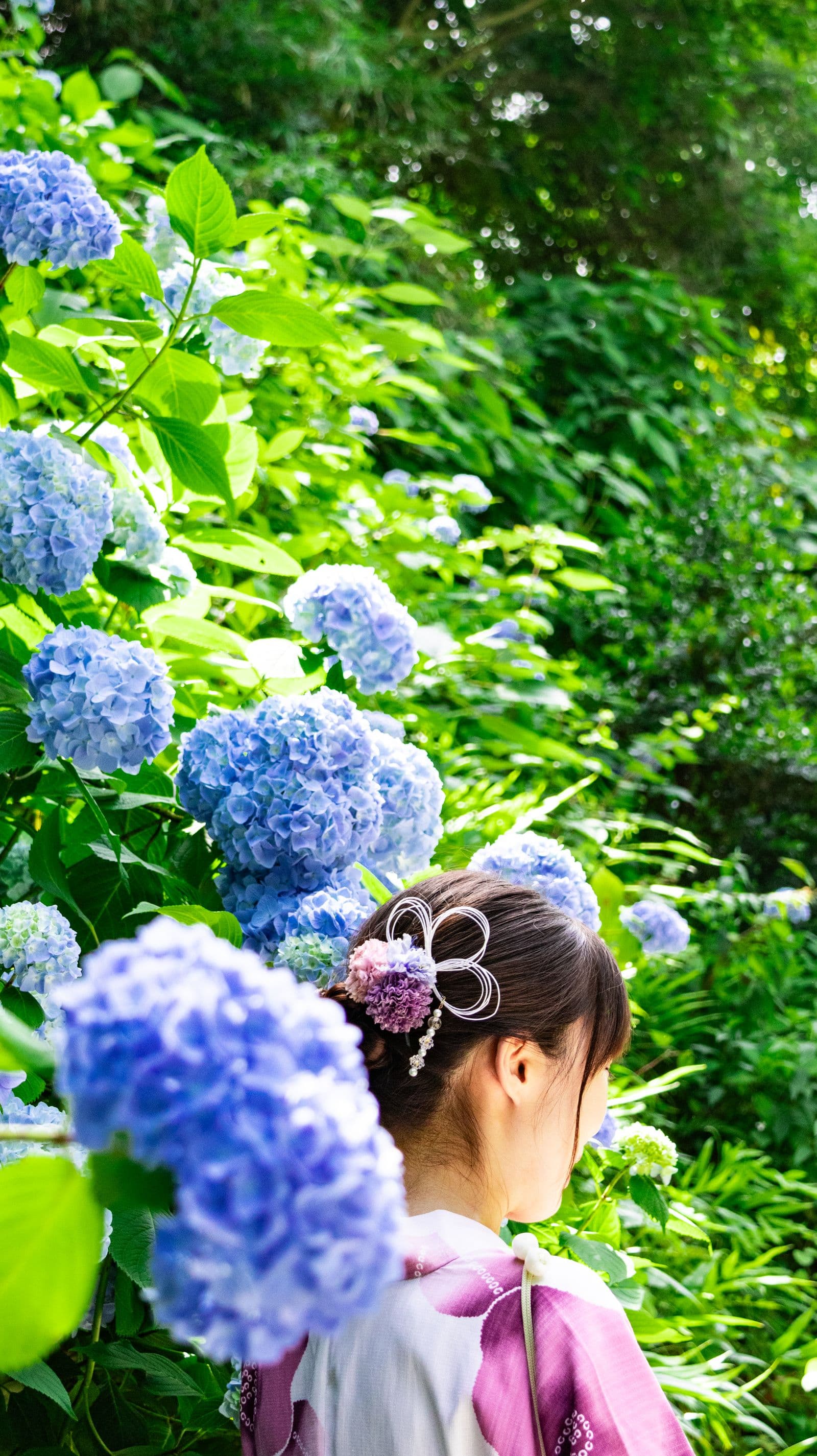
Kamakura is a historic town dotted with old temples, and during rainy season, hydrangeas — known locally as ajisai — bloom across hillsides and temple grounds in shades of blue and purple. Walking temple paths lined with these blooms is a favorite for photographers. Beyond the flowers, Kamakura also has an outdoor Great Buddha statue and a beach where you can still enjoy a sea breeze even under cloudy skies.
Hakone: a mountain hot-spring town made for rainy days
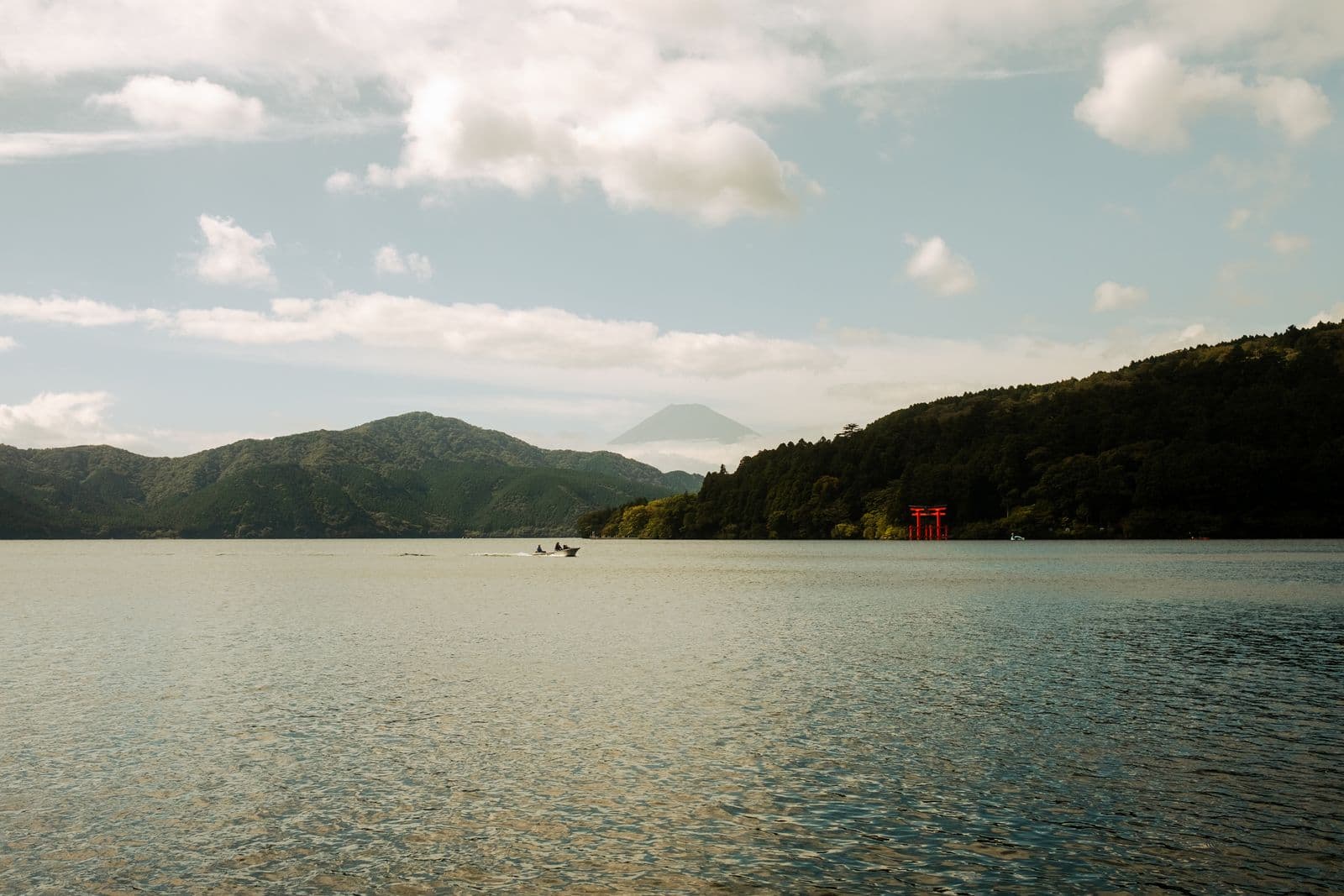
Hakone is a mountain retreat town known for its natural hot springs. On a day of light rain and cool air, soaking in an open-air onsen while mist drifts across the valley feels even more relaxing than under clear skies. The town also offers boat rides on Lake Ashi and an open-air art museum set among lush greenery — perfect for a slow, unhurried trip.
Getting to both towns from Tokyo
Both Kamakura and Hakone sit within easy reach of Tokyo. A local train from central Tokyo to Kamakura takes about an hour, while an express train from Shinjuku or Odawara station gets you to Hakone in no time. That makes it easy to plan either as a day trip from Tokyo, or to stay overnight in Hakone for a fuller onsen experience.
What to pack for Japan's rainy season
A compact umbrella and slip-resistant shoes should stay in your bag the whole trip. A lightweight rain jacket helps a lot if you're out taking photos for long stretches. Build in a bit of extra travel time, since rain can slow down certain train lines, and check the daily forecast each morning before heading out to plan around indoor or outdoor activities accordingly.
What to eat on a rainy day
A rainy day is the perfect excuse to duck into a hidden ramen or hot soba shop tucked in the back alleys of either town. Kamakura has small cafés perfect for sipping tea while watching the rain through the window, while Hakone's onsen ryokans often serve seasonal meals — a great way to warm up and unwind after a full day of walking.
Book hotels in Kamakura & Hakone here
Ready to experience Japan's rainy season without worrying about your plans falling apart? Click Book a hotel in Kamakura or Book a hotel in Hakone to check the latest rates and book through Trip.com.
Map of Kamakura & Hakone, Japan
Ready to book this trip? Check the latest prices and availability now.
Check hotels in Kamakura & HakoneKeep Reading
 📷 มหฺ ปณฺฑิโต / Pexels
3-Day Chiang Mai Nature Itinerary — Where to Go
A nature-focused Chiang Mai itinerary covering Doi Suthep, Mon Cham, and outdoor spots you shouldn't miss.
 📷 Vyacheslav Argenberg / Wikimedia Commons
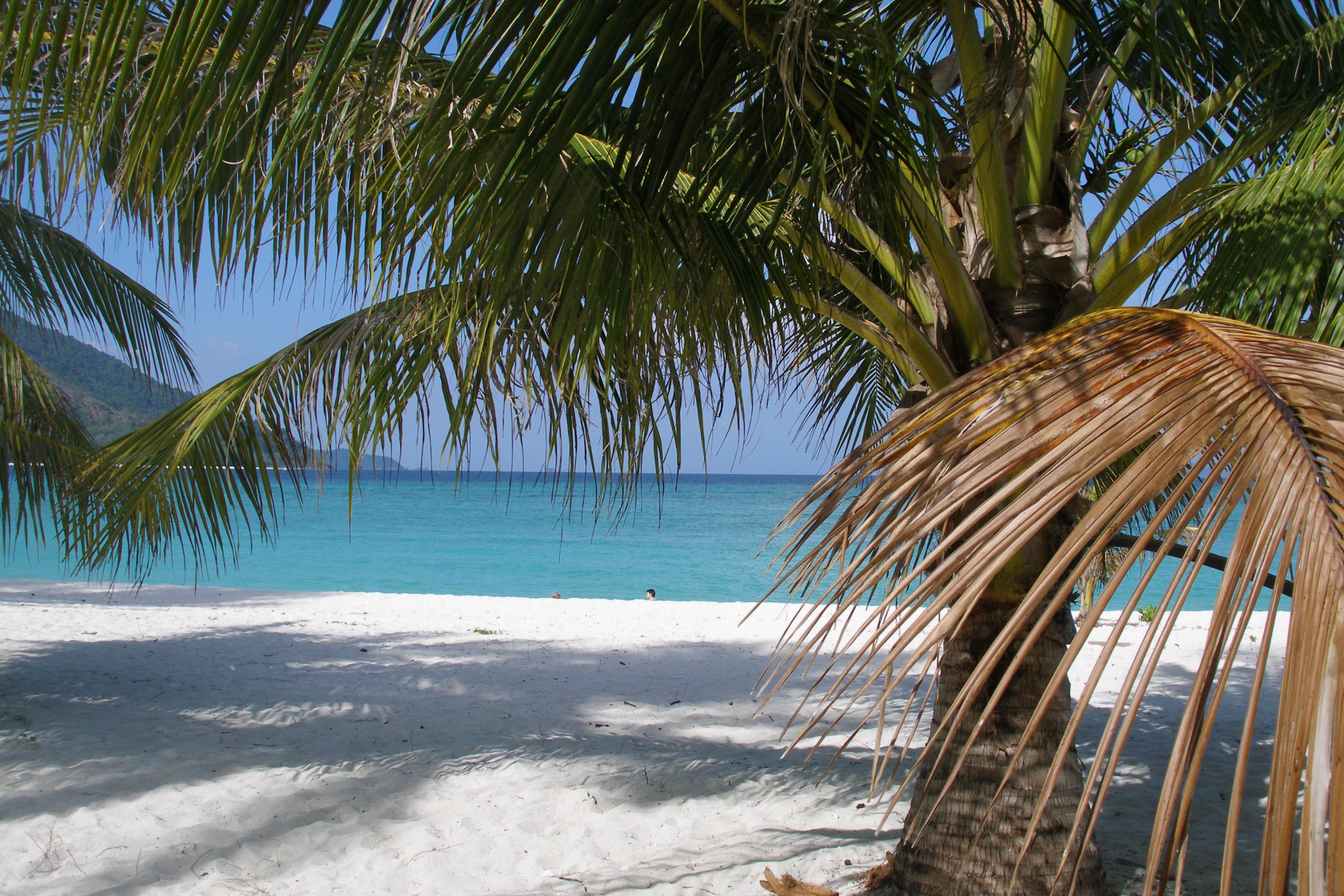
How Many Days for Koh Lipe? Andaman Sea Clarity You Have to See
A Koh Lipe trip planner — how many days to spend, diving and snorkeling highlights, white-sand beaches, and the best time of year to visit.
 📷 Tito Zzzz / Pexels
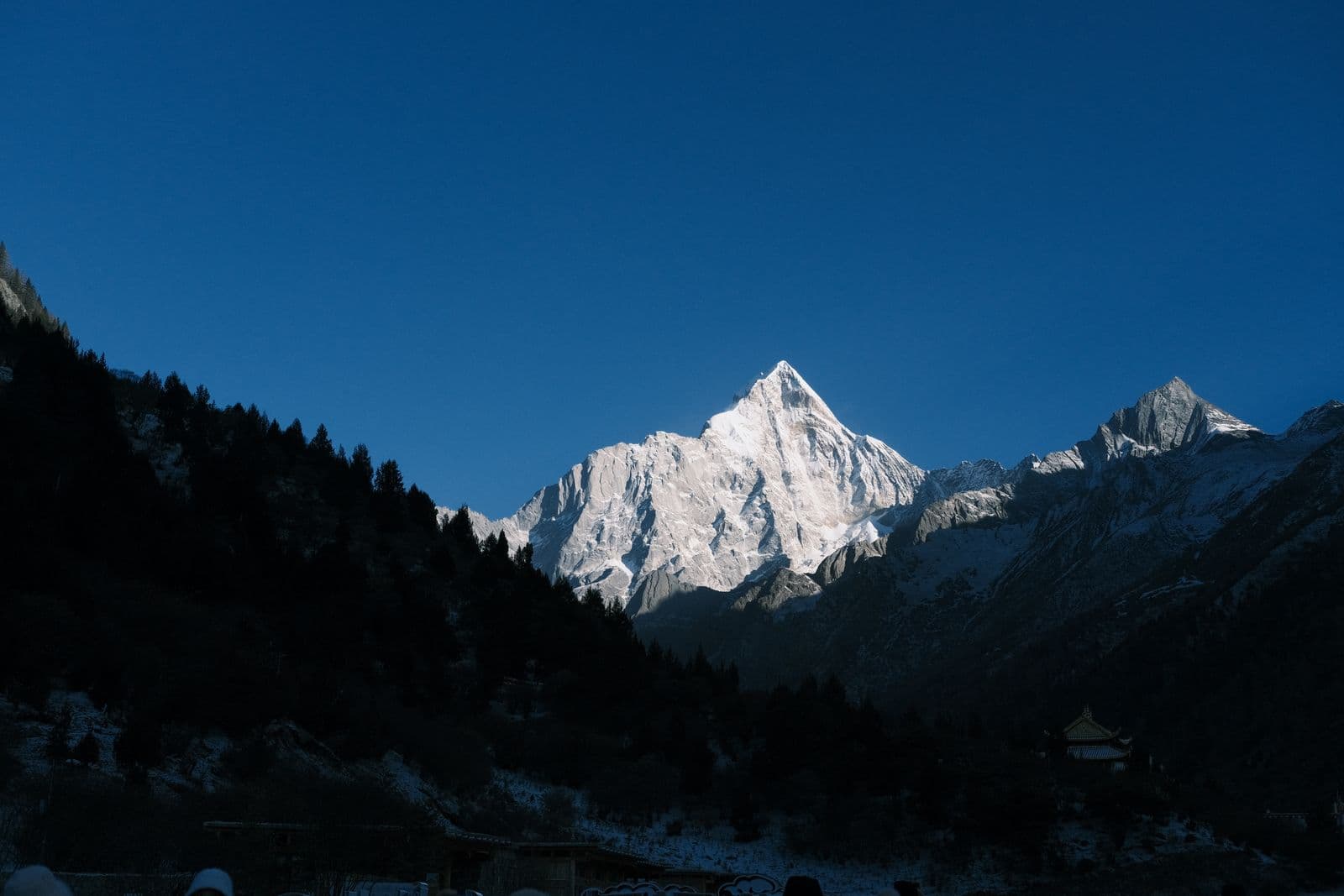
Siguniang Mountain, Sichuan: China's Trekking Gem Near Chengdu
Meet Siguniang Mountain, the snow-capped range in Sichuan trekkers call the 'Alps of the East' — here's how to reach it from Chengdu.