
Jeju Island: How Many Days Do You Need? A Volcanic Escape Unlike Anywhere Else in Korea
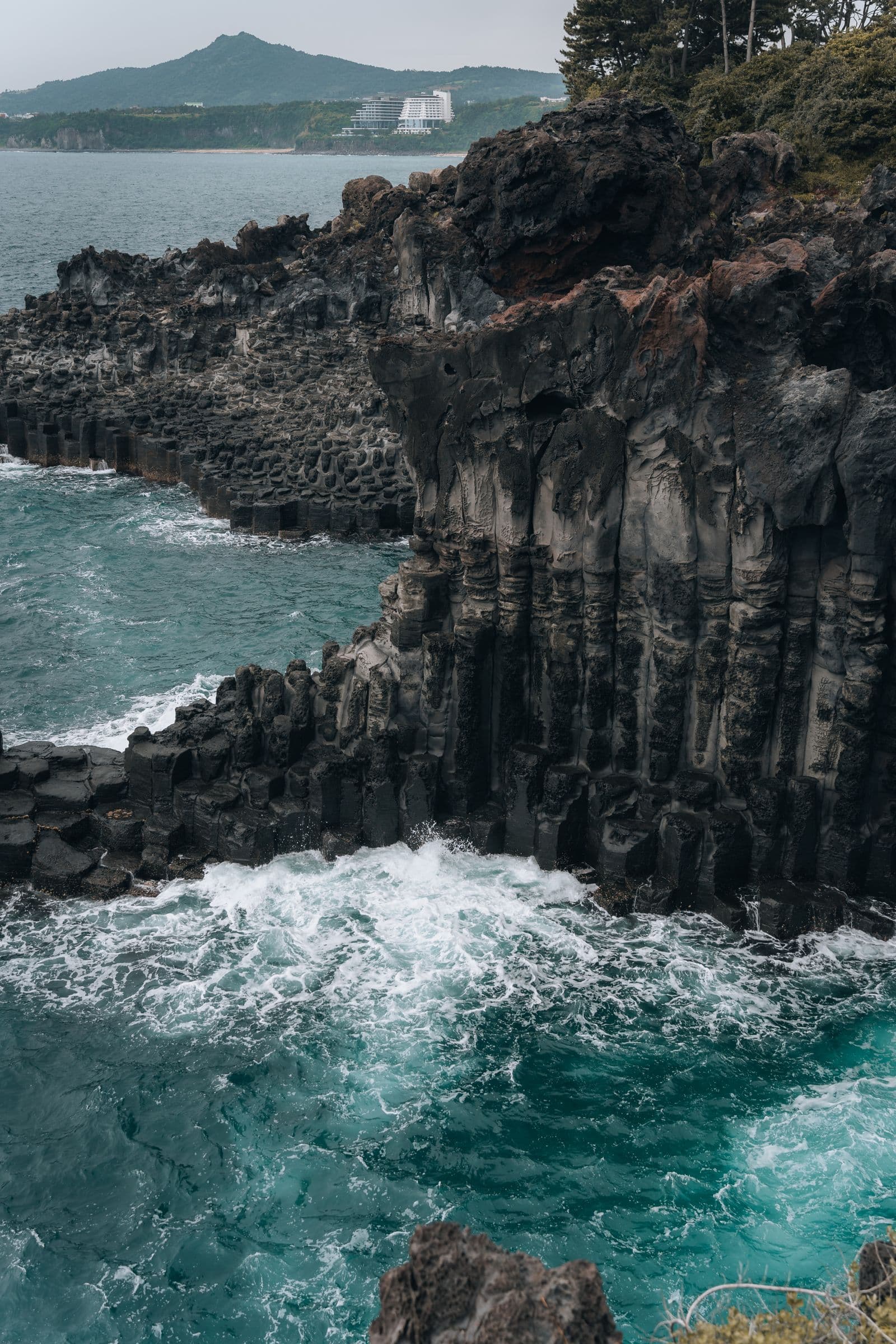
Photo by Jakob Jin / Pexels
If South Korea makes you picture nothing but skyscrapers and shopping-district neon, Jeju Island will change that instantly. This volcanic island off Korea's southern coast is known for black basalt cliffs, fields of yellow flowers stretching to the horizon, and peaks rising dramatically straight out of the sea. Its quiet pace and clean air have made Jeju a favorite honeymoon and getaway spot for Koreans themselves for decades, long before travelers from elsewhere started catching on to its charm.
Why Jeju Island is unlike anywhere else in Korea
What sets Jeju Island apart from the rest of South Korea is its volcanic landscape — lava tube caves, hexagonal basalt cliffs, and over three hundred small volcanic cones scattered across the island, together earning it UNESCO Natural World Heritage status. Beyond the rare scenery, life here moves noticeably slower than in Seoul, making it a great fit for travelers who actually want to unwind rather than just shop.
How many days for Jeju Island
The question most people ask is how many days Jeju Island needs, and the answer is 3-4 days. The island is bigger than it looks on a map, and covering the east coast, west coast, and the central Hallasan volcano properly takes real driving time between stops. With less time, it's better to focus on just one side of the island rather than rushing back and forth across it in a single day.
Day one: the east coast — cliffs and seaside peaks
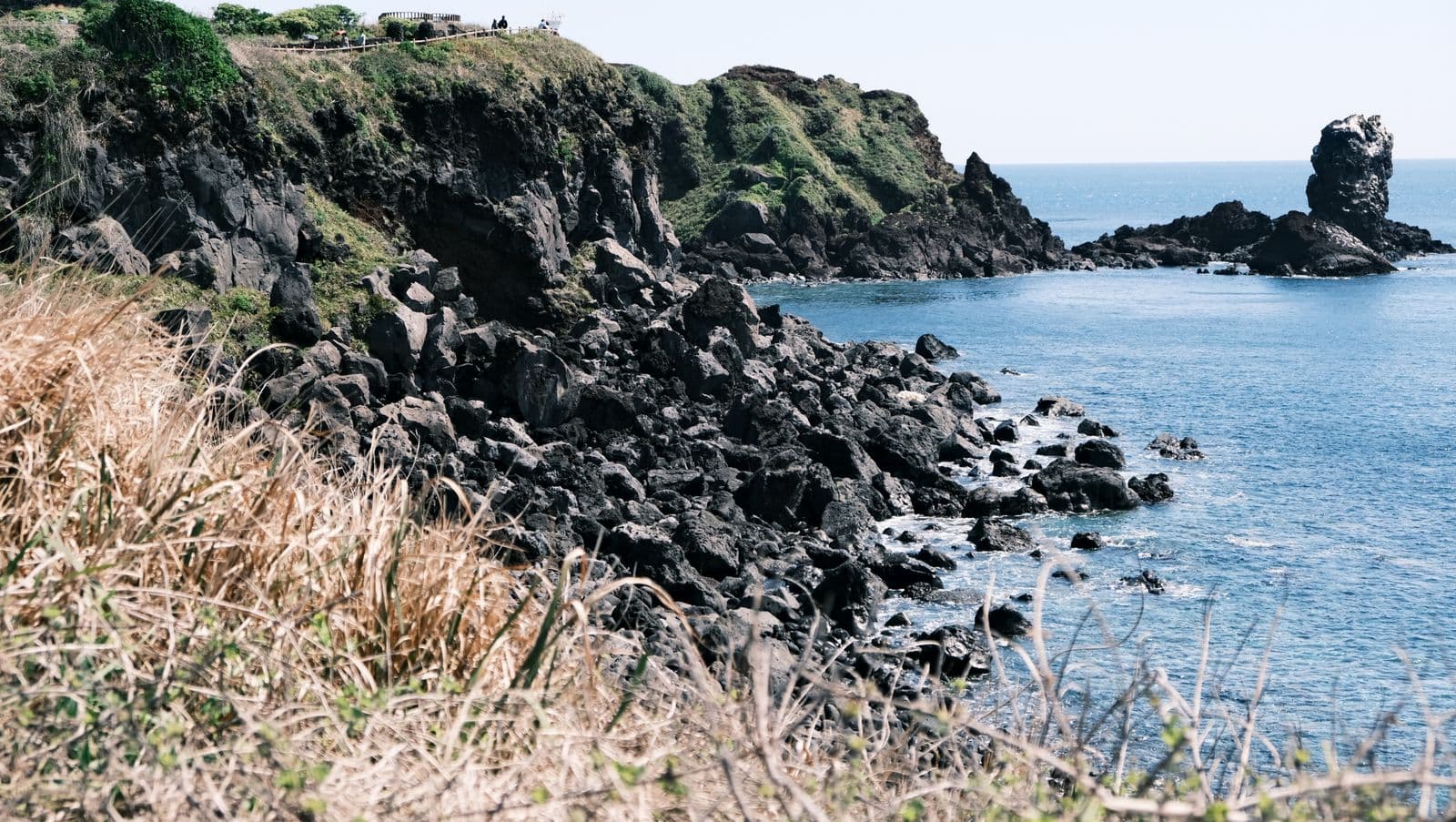
Start the trip at Yongduam Rock, a dragon-head-shaped volcanic rock formation by the sea near the airport — a natural first stop after landing. From there, head east to climb Seongsan Ilchulbong, a crown-shaped volcanic crater rising beautifully out of the ocean. The hike up is short, but the view is well worth the effort, especially in early morning light spilling across the golden grass slopes.
Day two: hike Hallasan or chase waterfalls inland
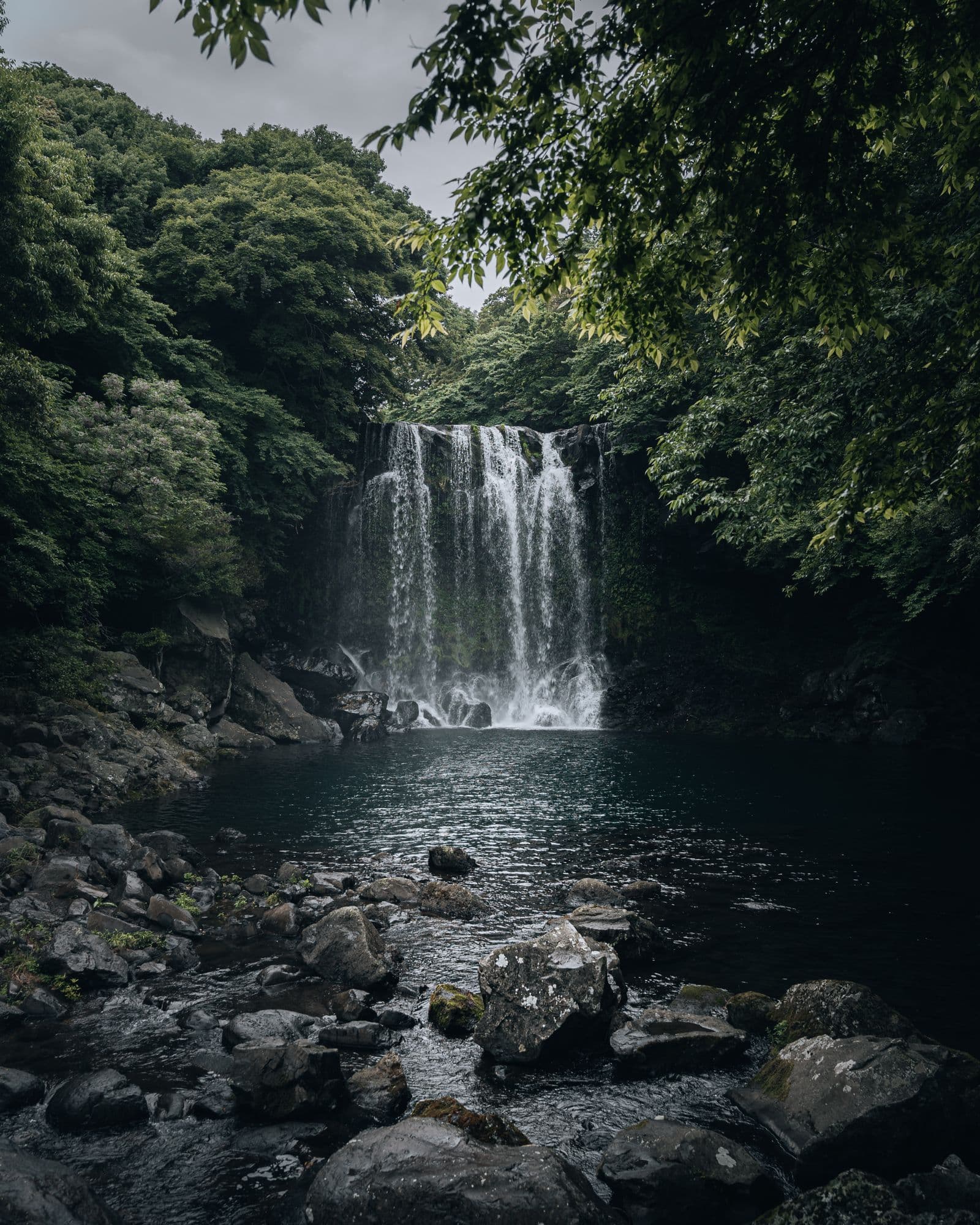
Day two comes down to your travel style. Hikers should head for Hallasan, South Korea's tallest peak and the island's centerpiece, with trails of varying difficulty to suit different fitness levels. If you'd rather take it easy, Cheonjiyeon Waterfall is an easy, gorgeous walk through lush forest, especially beautiful in the evening when the falls are lit up for a completely different atmosphere.
Day three: cruise the west coast, stop for seaside cafes
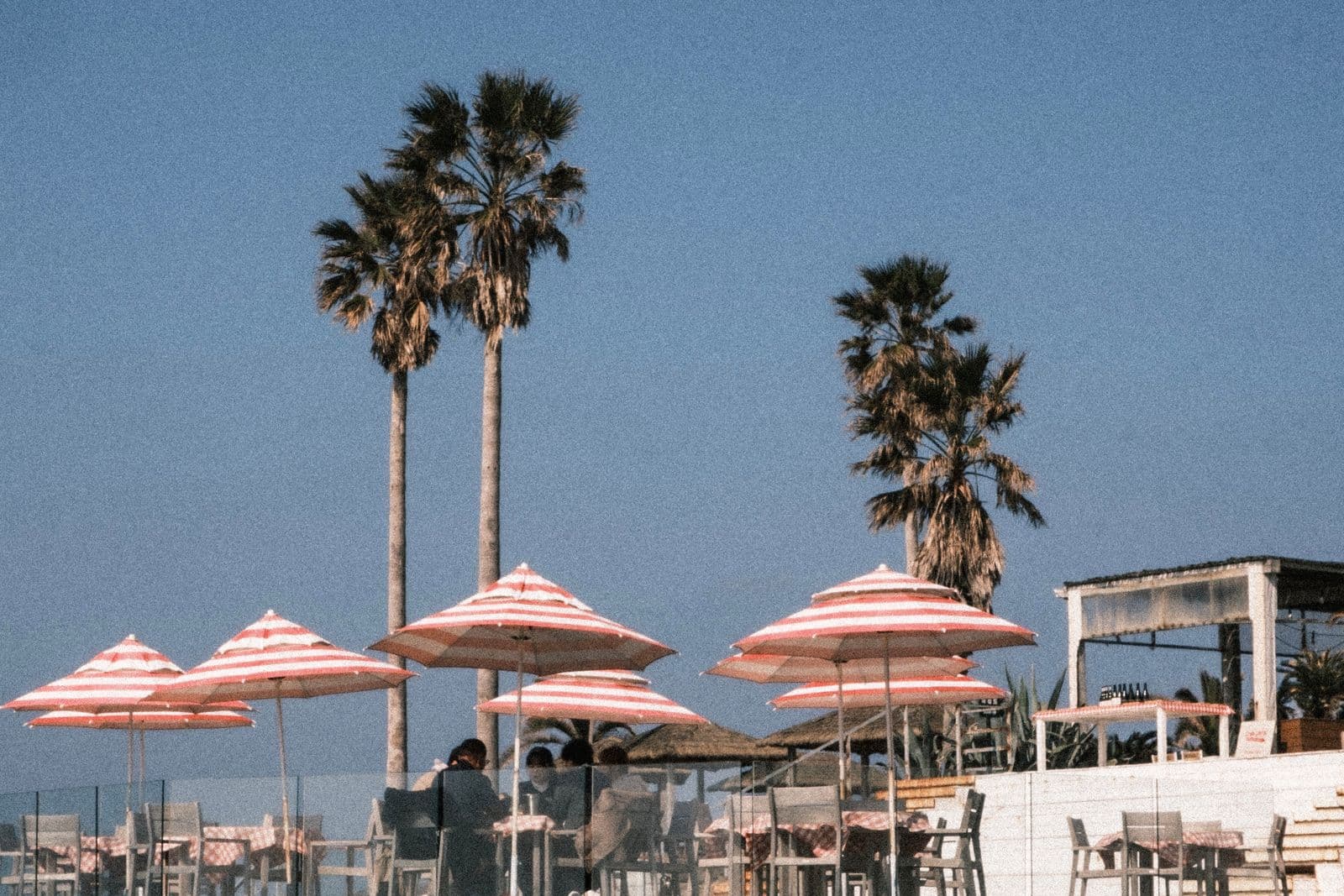
Jeju's west coast is famous for scenic cafes lined up along the shore, perfect for a slow drive with stops for coffee overlooking clear blue water and seasonal flower fields — from yellow rapeseed blooms to cherry blossoms depending on the season. This side of the island also has small fishing villages that still keep to traditional ways of life, worth a wander and a few photos over a lazy afternoon.
Getting into town from Jeju International Airport
Jeju International Airport sits right next to the main town. Renting a car is by far the most convenient way to explore the island, since most attractions are spread around its perimeter and public transport doesn't cover the island as thoroughly as it does in a city like Seoul. If driving isn't your thing, tour buses and taxis are available, but you'll need to plan your timing more carefully than if you're behind the wheel yourself.
What to eat on Jeju Island
Don't miss Jeju black pork, a native pig breed that's noticeably richer in flavor when grilled, usually served with fresh vegetables and Korean doenjang sauce. The island is also known for fresh seafood like sea urchin and abalone, often hand-harvested by the island's female free-divers known as haenyeo. For dessert, look for treats and ice cream made with Hallabong citrus, a variety grown almost exclusively on this island.
Best time of year to visit Jeju Island
Spring and autumn are the best seasons to visit Jeju, with cool, comfortable weather ideal for hiking and coastal drives all day long. Summer is fine for swimming but comes with occasional typhoons passing through the region, so always check the forecast before you go, especially if a Hallasan hike is on the itinerary.
Book a hotel on Jeju Island here
Plan a Jeju Island trip that hits every highlight — click Check Jeju Island hotel prices to compare real-time rates, booked through Trip.com.
Map of Jeju Island, South Korea
Ready to book this trip? Check the latest prices and availability now.
Check Jeju Island hotel pricesFrequently Asked Questions
How many days do you need for Jeju Island?
3-4 days works well. Spend day one on the east coast taking in cliffs and seaside peaks, day two hiking Hallasan or exploring the forest and waterfalls, and day three cruising the west coast. A fourth day gives you room to slow down or shop before flying home.
Do you need to take a ferry from mainland Korea to reach Jeju?
No — Jeju has its own international airport, with frequent domestic flights from Seoul and other major Korean cities. The flight takes just over an hour, far more convenient than a ferry crossing.
Keep Reading
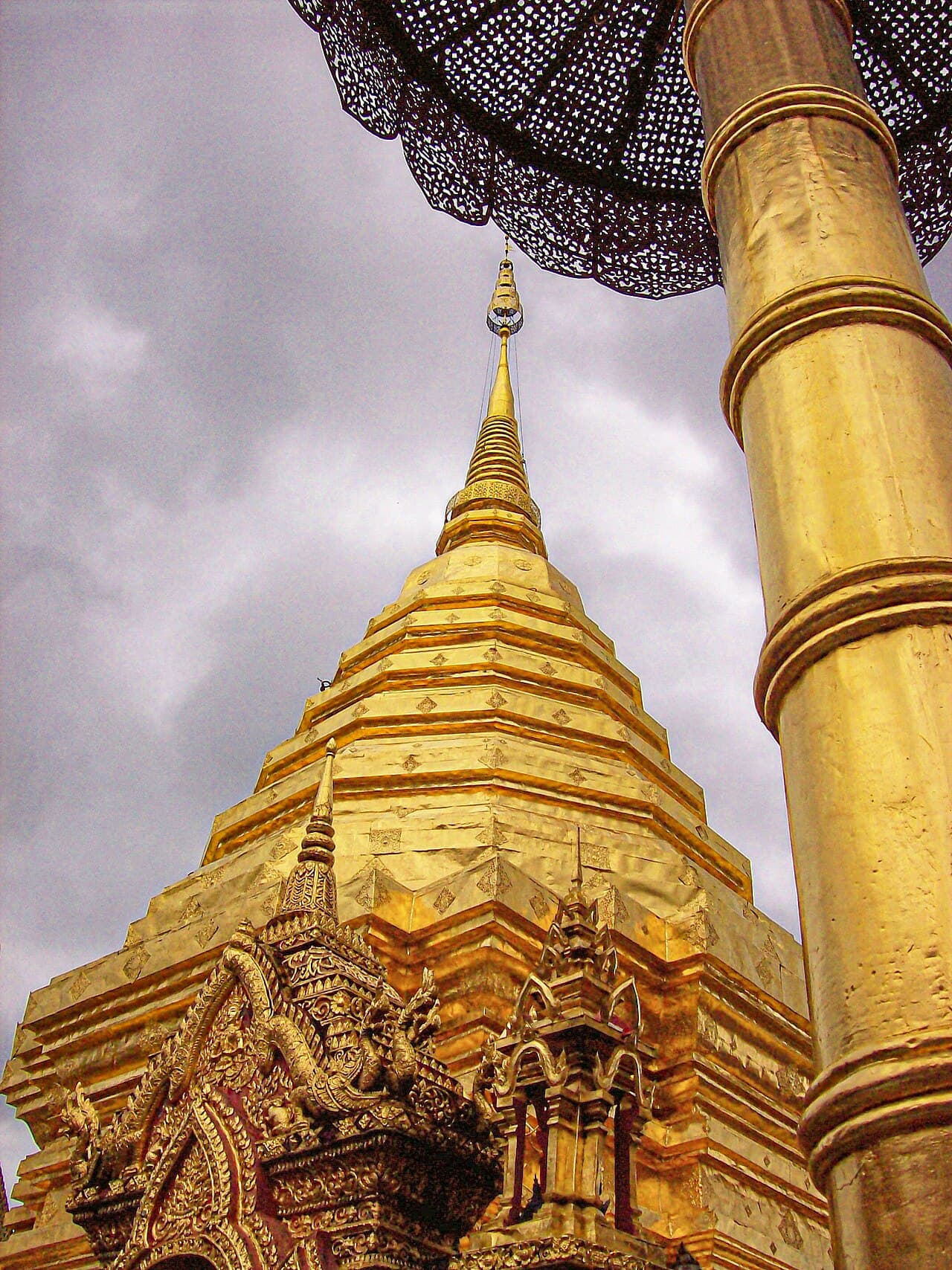 📷 มหฺ ปณฺฑิโต / Pexels
3-Day Chiang Mai Nature Itinerary — Where to Go
A nature-focused Chiang Mai itinerary covering Doi Suthep, Mon Cham, and outdoor spots you shouldn't miss.
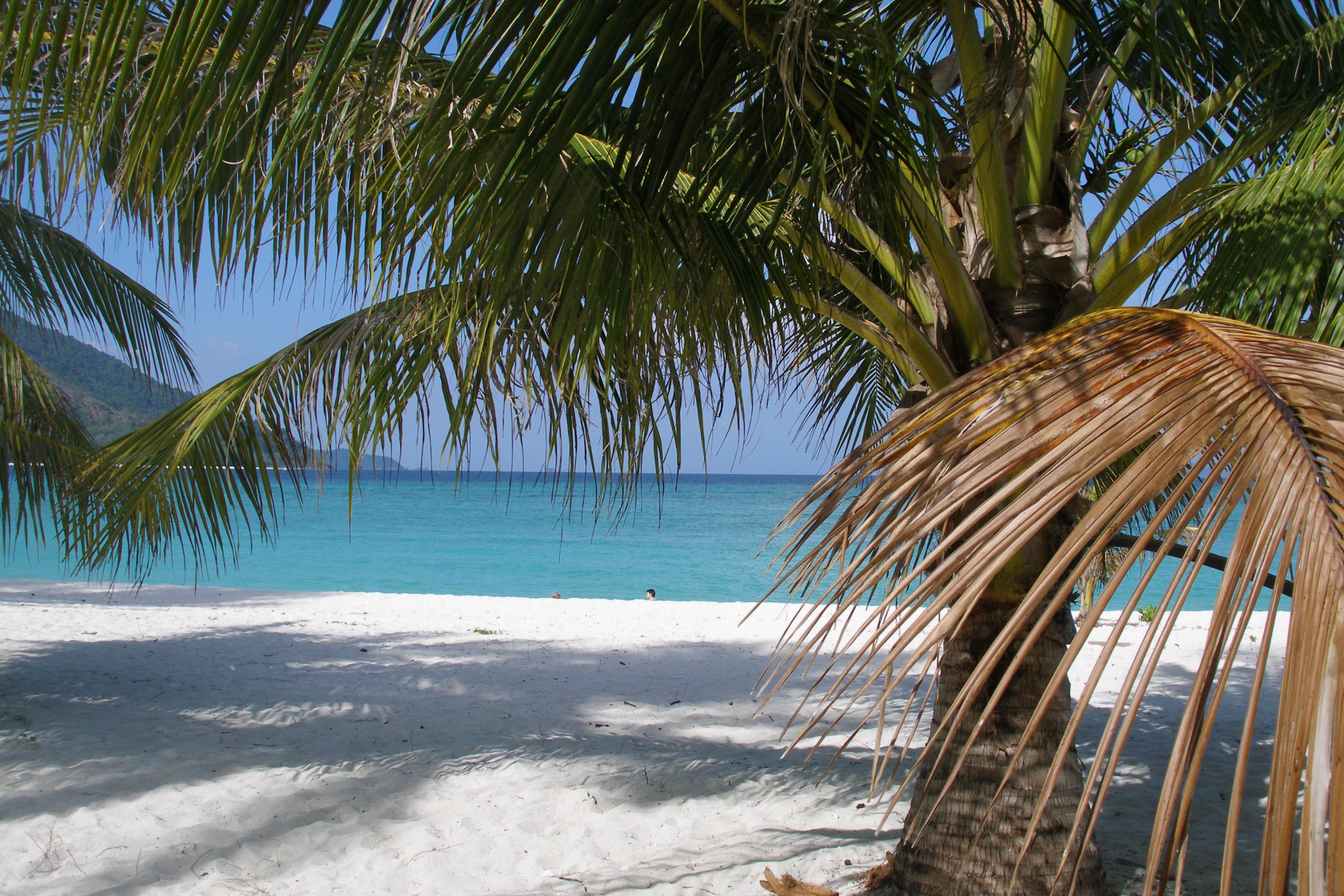 📷 Vyacheslav Argenberg / Wikimedia Commons
How Many Days for Koh Lipe? Andaman Sea Clarity You Have to See
A Koh Lipe trip planner — how many days to spend, diving and snorkeling highlights, white-sand beaches, and the best time of year to visit.
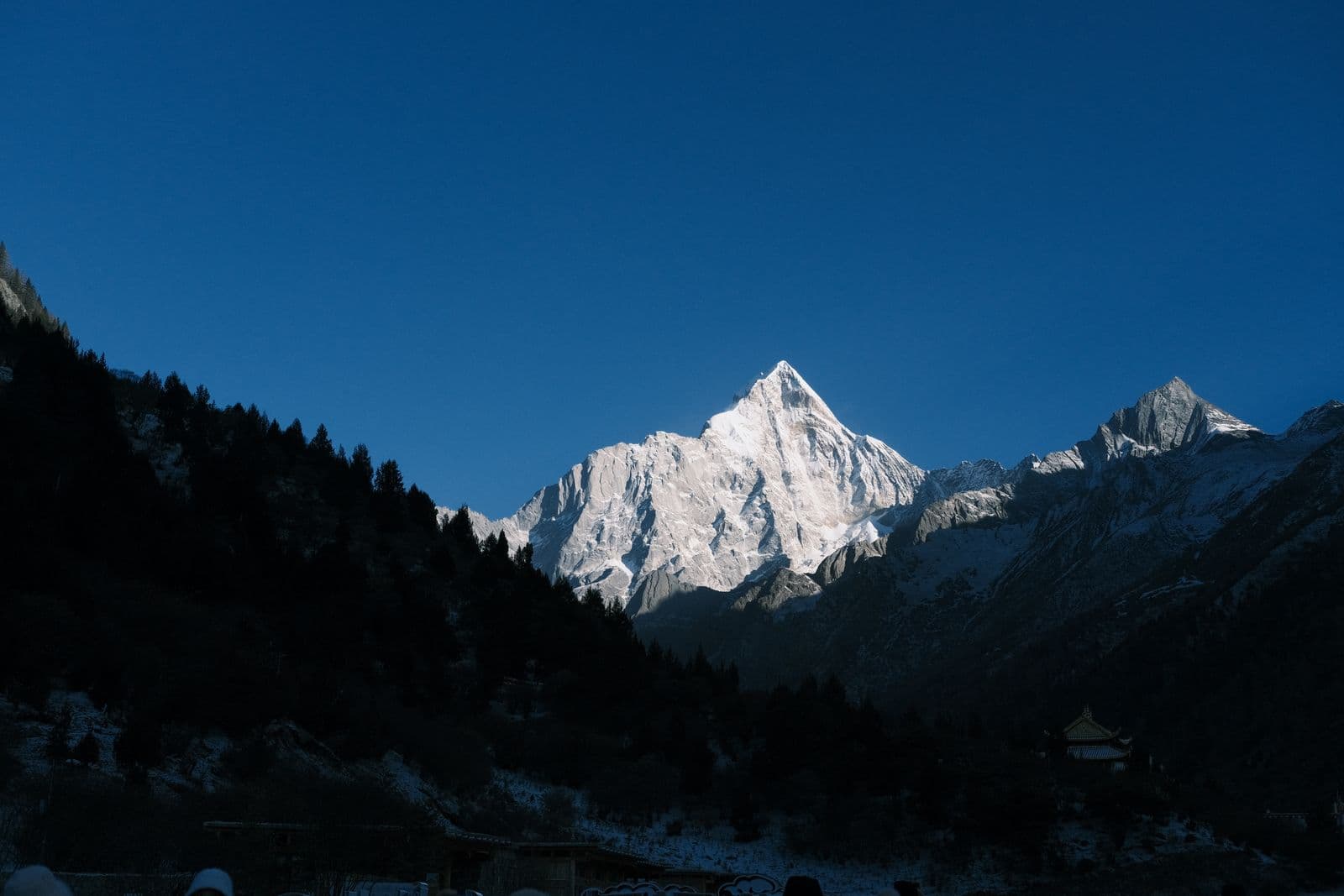 📷 Tito Zzzz / Pexels
Siguniang Mountain, Sichuan: China's Trekking Gem Near Chengdu
Meet Siguniang Mountain, the snow-capped range in Sichuan trekkers call the 'Alps of the East' — here's how to reach it from Chengdu.