
How Many Days in Siem Reap? Angkor Wat Itinerary (2026 Update)
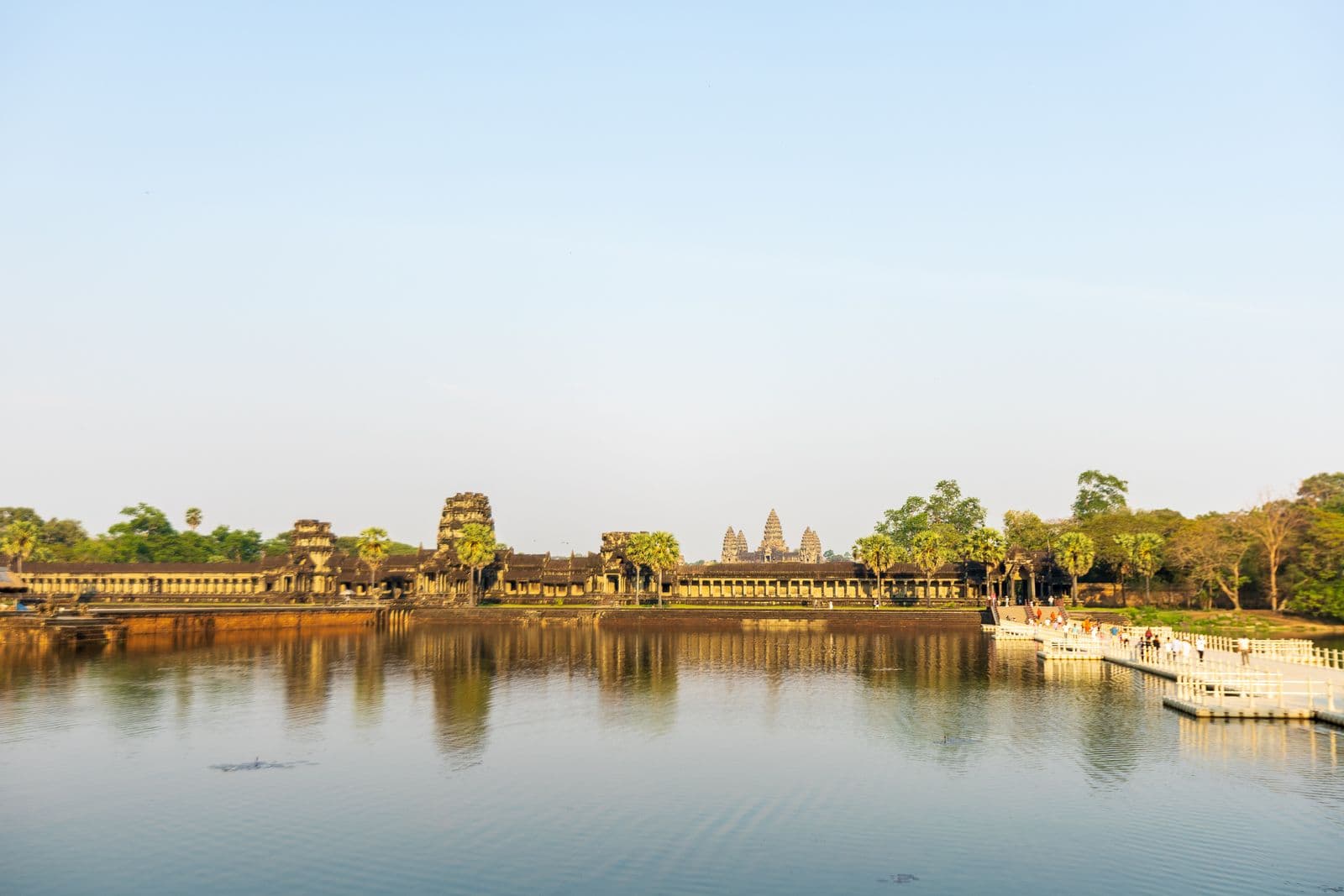
Photo by Serg Alesenko / Pexels
When people think of the greatest ancient temple complex on Earth, Angkor Wat is usually the first name that comes to mind — and the city that serves as its gateway is Siem Reap, a small town in northwestern Cambodia steeped in over a thousand years of history. Wake up early to cycle past green rice paddies, walk beneath stone gates carved with scenes from ancient Khmer civilization, then end the day wandering a lively street packed with travelers from around the world. It's this mix that keeps Thai travelers coming back to Siem Reap again and again.
Why Siem Reap deserves a spot on your list
Siem Reap's biggest draw isn't just a single temple — it's hundreds of temples spread across the Angkor Archaeological Park, each with its own character and story. Some are covered in intricate stone carvings that look like fine art; others are wrapped in giant tree roots that have become one of the most iconic images of Cambodia. Beyond the ruins, the town itself is charming in its own right, with night markets, street-side restaurants, and famously friendly locals — so this trip is never just about history.
How many days do you need in Siem Reap
The most common question is how many days Siem Reap needs, and the answer is 3 days and 2 nights — enough time to see the main temples (Angkor Wat, Bayon, and Ta Prohm) without rushing. With an extra day, add a relaxed boat trip to Tonle Sap Lake and its floating villages. If you're really tight on time, block off at least 2 full days so you can still see all three major temples without racing between them.
Day one: Angkor Wat, the largest stone temple on Earth
Start with the highlight everyone comes for: Angkor Wat, the largest stone temple in the world and a national symbol so significant it appears on Cambodia's flag. Arrive before dawn to catch sunrise over its five towers, reflected perfectly in the pond out front — a sight worth standing still for. Afterward, explore the temple's bas-relief galleries depicting the longest continuous stone carving of a Hindu epic in the world, then climb to the upper level for a view over the grounds later that morning.
Day two: Bayon Temple and Ta Prohm
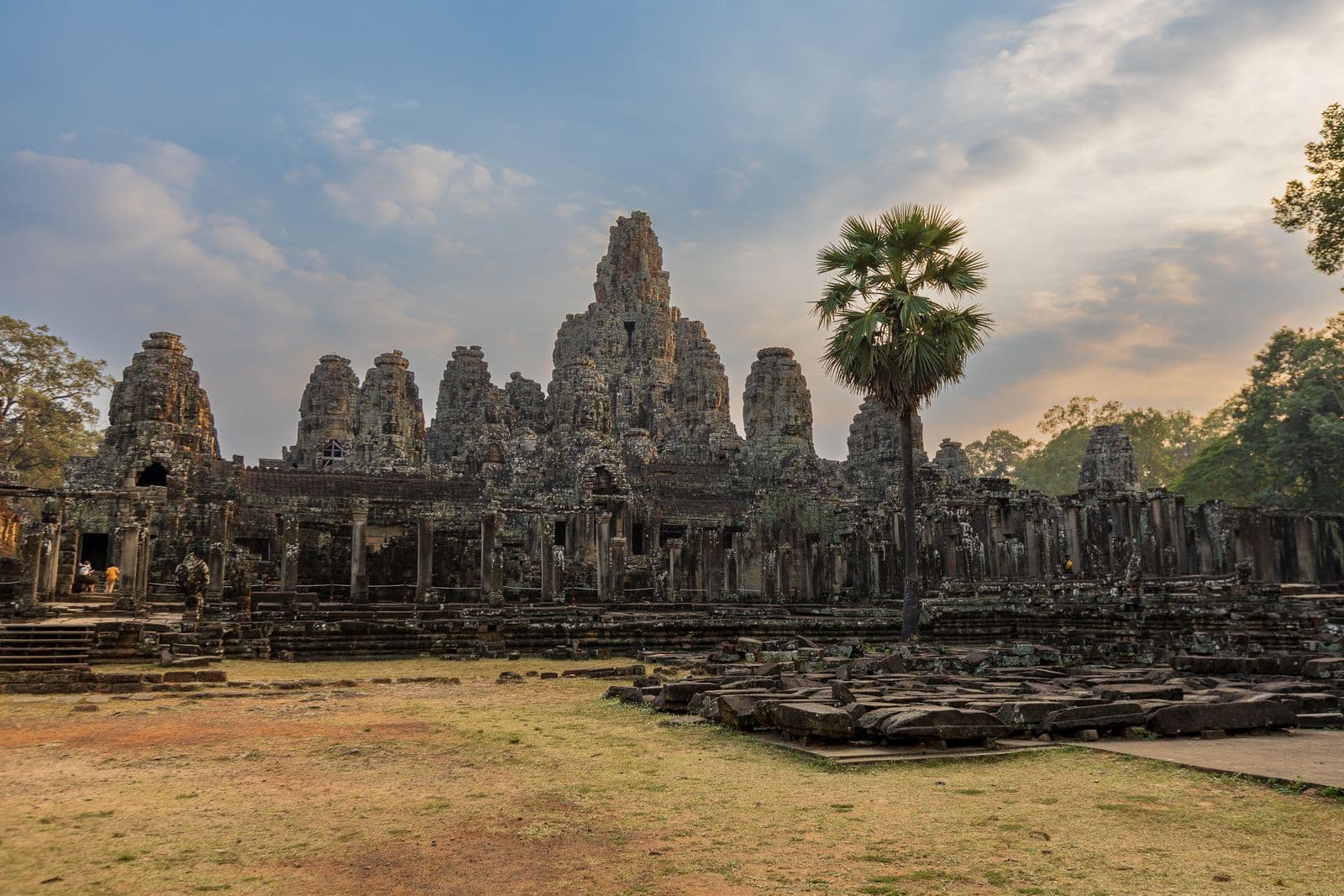
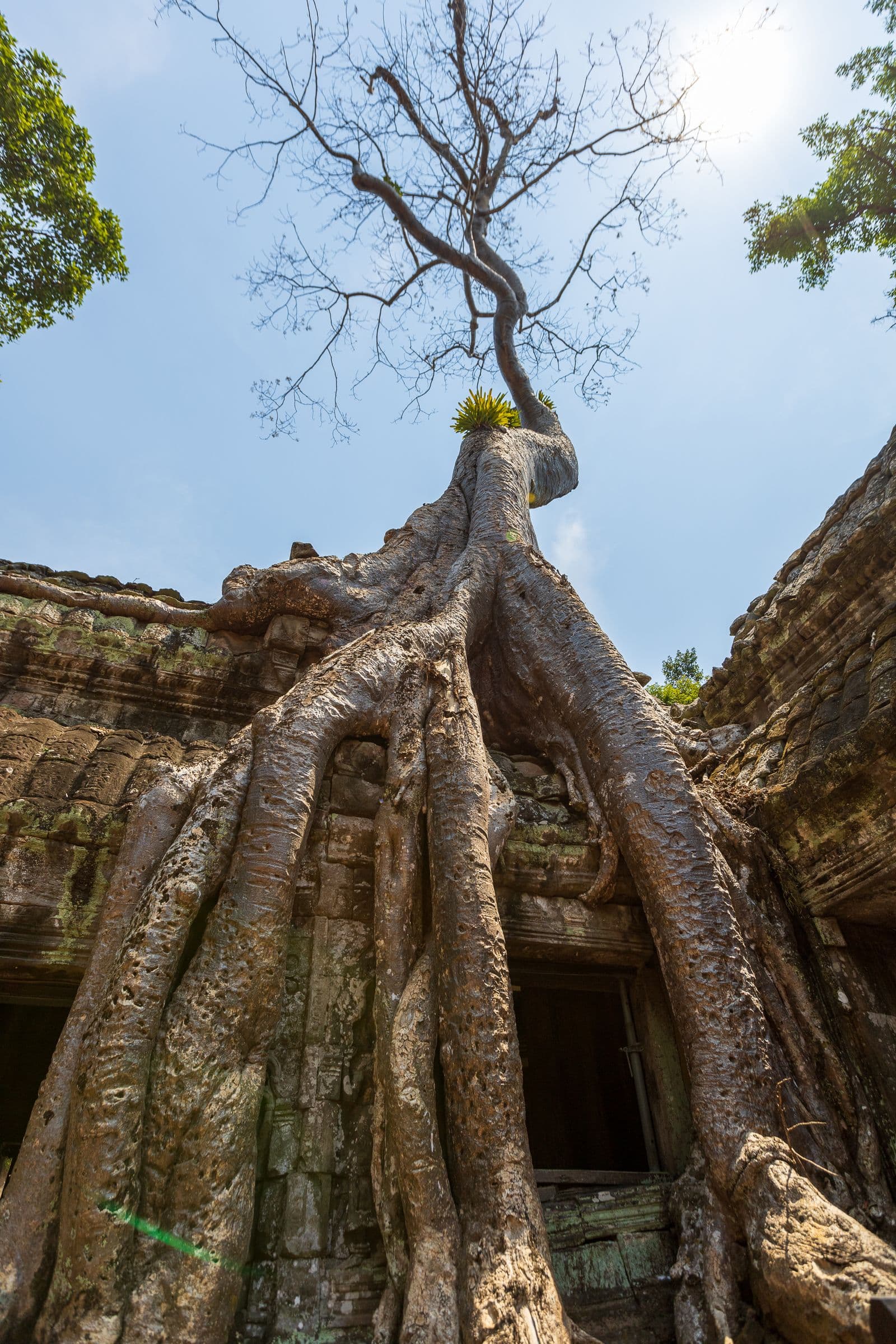
The next day, follow what's known as the Grand Circuit, starting with Bayon Temple at the center of Angkor Thom, famous for its more than 200 serene stone faces gazing out in every direction — equal parts eerie and awe-inspiring. From there, head to Ta Prohm, the temple engulfed by giant silk-cotton tree roots that has become one of Cambodia's most photographed sights. You could easily spend the whole day wandering among the roots and ruins slowly being reclaimed by the jungle.
With a third day, cruise Tonle Sap Lake and its floating villages
If you have extra time, change pace with a boat trip on Tonle Sap Lake, the largest freshwater lake in Southeast Asia. Floating villages here are home to entire communities living year-round on boats and stilted houses — schools, shops, and temples all float on the water. It's a completely different slice of life, and makes for a relaxed way to close out the trip.
Getting from Siem Reap airport into town
Siem Reap Angkor International Airport sits about 40 kilometers from the town center. Taxis and hotel shuttles are available right outside arrivals, with the ride taking roughly 45-60 minutes. Most hotels in Siem Reap offer free or low-cost airport transfers — just share your flight details in advance, since the airport is fairly far from town.
What to eat in Siem Reap
Don't leave without trying amok, Cambodia's national dish — a coconut fish curry steamed in a banana leaf until silky and fragrant, found on nearly every menu in town. Follow it with Khmer-style pork noodle soup, which carries flavors somewhere between Vietnamese and Thai cooking. For nightlife, head to the central Pub Street area after dark, lined with restaurants and bars open late — a great spot for a cold drink after a full day of temple-hopping.
Best time of year to visit Siem Reap
November through February is the best season to visit Siem Reap, with cool, dry weather that's ideal for a full day outdoors among the temples. The rainy season, roughly June through October, is hotter and more humid, but rewards visitors with a fuller, greener Tonle Sap Lake. March through May is the hottest stretch of the year — pack sun protection if that's your only window to travel.
Book a hotel in Siem Reap here
Plan a Siem Reap trip that covers every temple. Click Book a hotel in Siem Reap to check real-time rates, and book through Trip.com.
Map of Siem Reap, Cambodia
Ready to book this trip? Check the latest prices and availability now.
Check Siem Reap hotel pricesFrequently Asked Questions
How many days do you need in Siem Reap?
3 days and 2 nights is ideal — day one for Angkor Wat at sunrise, day two for the Grand Circuit covering Bayon and Ta Prohm. With a third day, add a boat trip to Tonle Sap Lake and its floating villages.
How does the Angkor temple pass work?
Angkor pass options include 1-day, 3-day, and 7-day passes, sold at the official ticket center before you enter the temple grounds. For a 2-3 day trip, the 3-day pass offers the best value and flexibility.
Keep Reading
 📷 มหฺ ปณฺฑิโต / Pexels
3-Day Chiang Mai Nature Itinerary — Where to Go
A nature-focused Chiang Mai itinerary covering Doi Suthep, Mon Cham, and outdoor spots you shouldn't miss.
 📷 Vyacheslav Argenberg / Wikimedia Commons
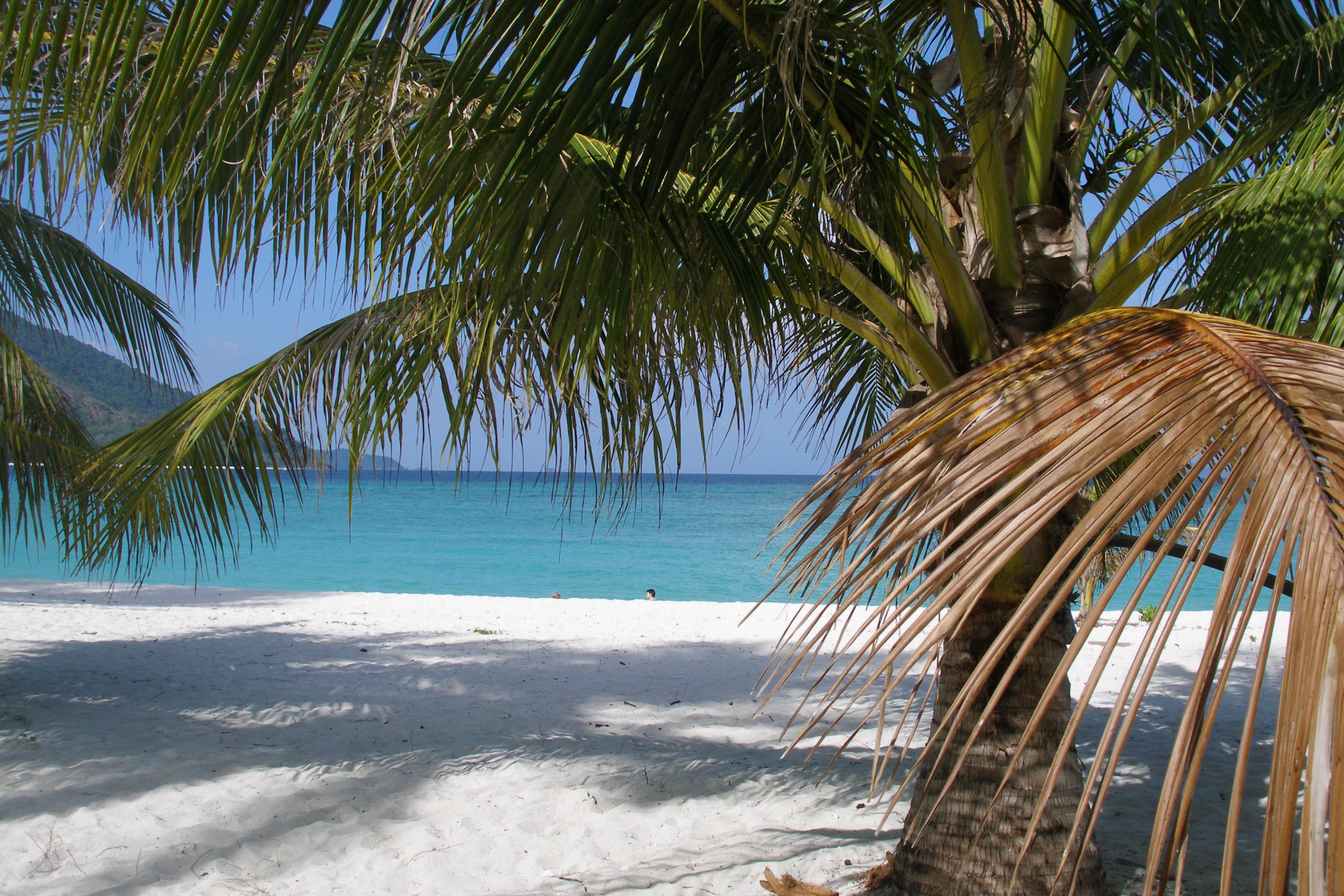
How Many Days for Koh Lipe? Andaman Sea Clarity You Have to See
A Koh Lipe trip planner — how many days to spend, diving and snorkeling highlights, white-sand beaches, and the best time of year to visit.
 📷 Tito Zzzz / Pexels
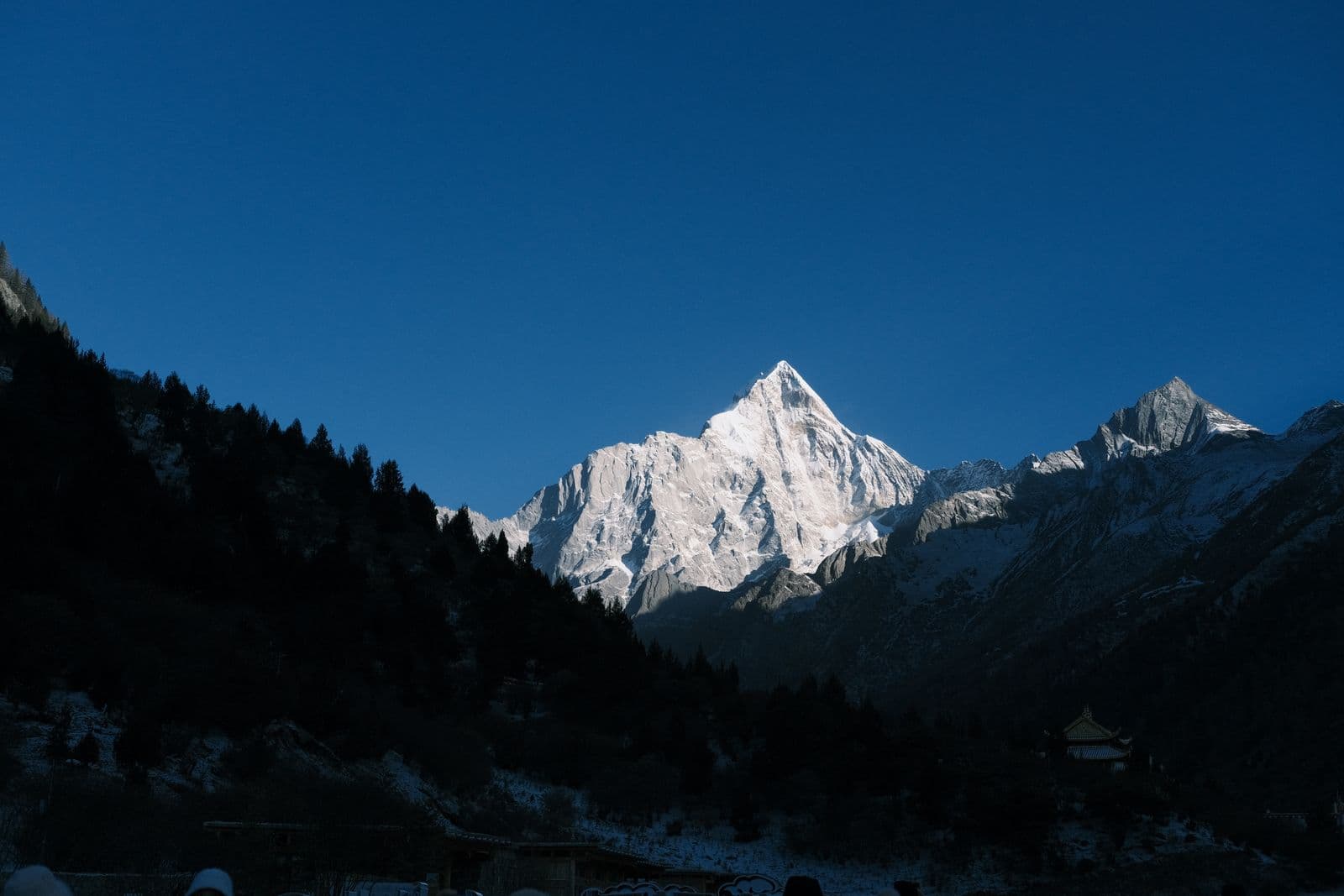
Siguniang Mountain, Sichuan: China's Trekking Gem Near Chengdu
Meet Siguniang Mountain, the snow-capped range in Sichuan trekkers call the 'Alps of the East' — here's how to reach it from Chengdu.