
What to Eat in Kyoto: Nishiki Market, Pontocho and Kyoto-Style Tofu
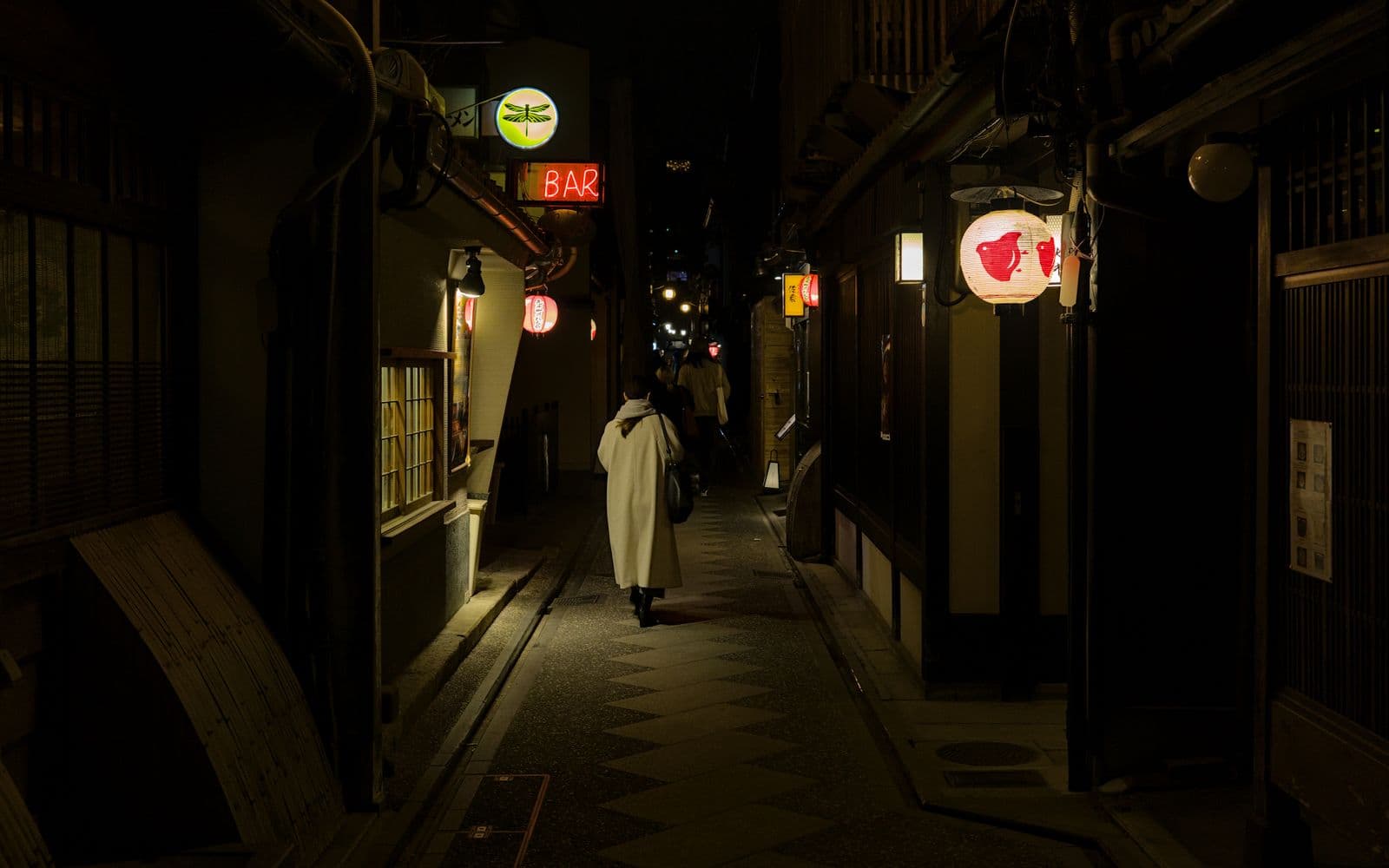
Photo by Julien / Pexels
If Osaka is the city that eats out loud, Kyoto is the city that eats quietly. Food here doesn't arrive with heavy sauces or flashing signs. It comes as a bowl of pale tofu floating in hot water, pickles sliced paper-thin in jewel colours, and green tea that's faintly bitter before it turns sweet at the end. Kyoto was the imperial capital for more than a thousand years, and that courtly refinement has seeped into every meal. To enjoy eating your way through Kyoto, slow down a little — and you'll start to notice flavours you'd usually rush past.
Nishiki Market: Kyoto's kitchen, with rules of its own
Nishiki Market is a long, narrow covered street in the heart of the city where Kyoto's chefs and home cooks have shopped for centuries. Things worth trying range from dashimaki, a rolled omelette so full of broth it drips when you bite it, to tiny glazed octopus with a quail egg tucked into the head, plus fried tofu and mochi. What many visitors don't know is that plenty of Nishiki shops ask you to eat standing at the stall rather than while walking, since the aisle is only a few metres wide. Follow the signs and you'll get a smile from the owner instead of a frown. Also note that many shops start closing in the early evening, so late morning to mid-afternoon is the time to come.
Kyoto pickles: a better souvenir than a box of sweets
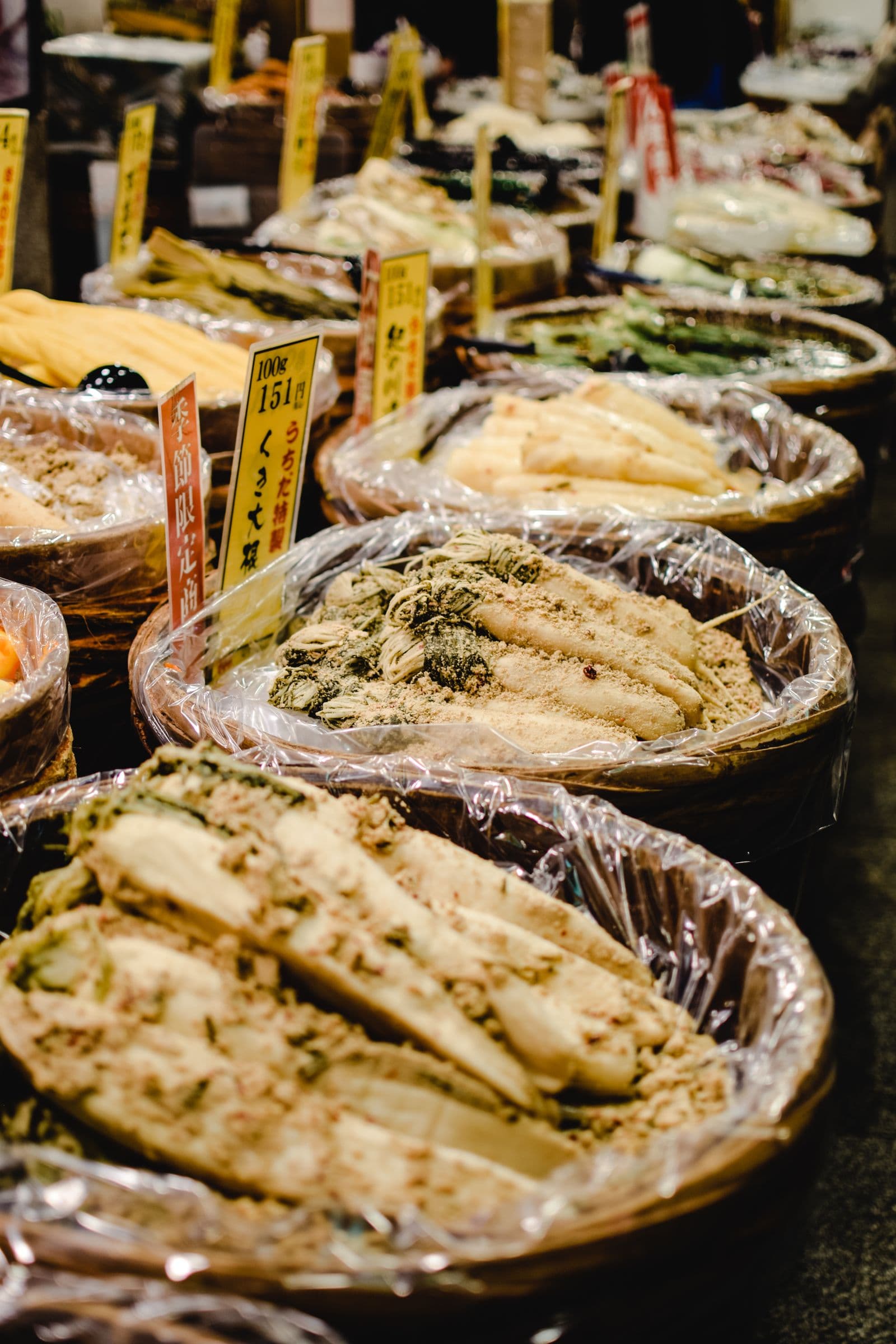
The shops lined with wooden barrels full of purple, yellow and green vegetables are tsukemono shops, selling the pickles Kyoto is proudest of — from mildly sweet pickled daikon to the city's famous sour pickled greens and deep-purple pickled aubergine. Most let you taste before buying. Our honest opinion: vacuum-packed pickles make a far better souvenir than the pretty boxed sweets sold at the station, because they're a flavour you simply can't get anywhere else. Just check your home country's food import rules and the expiry date before packing them.
Obanzai: home cooking that's easier to access than kaiseki
Many people assume that eating true Kyoto cuisine means booking an expensive multi-course kaiseki dinner. For a first trip, we much prefer obanzai — Kyoto-style home cooking served as lots of small side dishes, like vegetables simmered in dashi, braised fried tofu and soy-glazed grilled fish. Many obanzai restaurants lay the dishes out along the counter so you can simply point at what you want. The mood is relaxed and the prices are much friendlier. Kaiseki is for special occasions, but if you want to know what Kyoto people actually eat day to day, obanzai is the better answer.
Pontocho and Kiyamachi: two parallel lanes with different moods
In the evening, step into Pontocho, a long, narrow lane of old wooden restaurants with lanterns hanging outside, stretching as far as you can see. In summer, the restaurants on the Kamo River side build wooden terraces out over the bank so diners can eat in the cool breeze. It's a beautiful sight, but it's fair to say that most places in Pontocho cost noticeably more than elsewhere. On a tighter budget, cross over to Kiyamachi, which runs parallel just a few minutes away along a small canal. It has small, reasonably priced izakaya and a similar atmosphere — the kind of place locals actually choose to drink.
Yudofu: simmered tofu that isn't for everyone
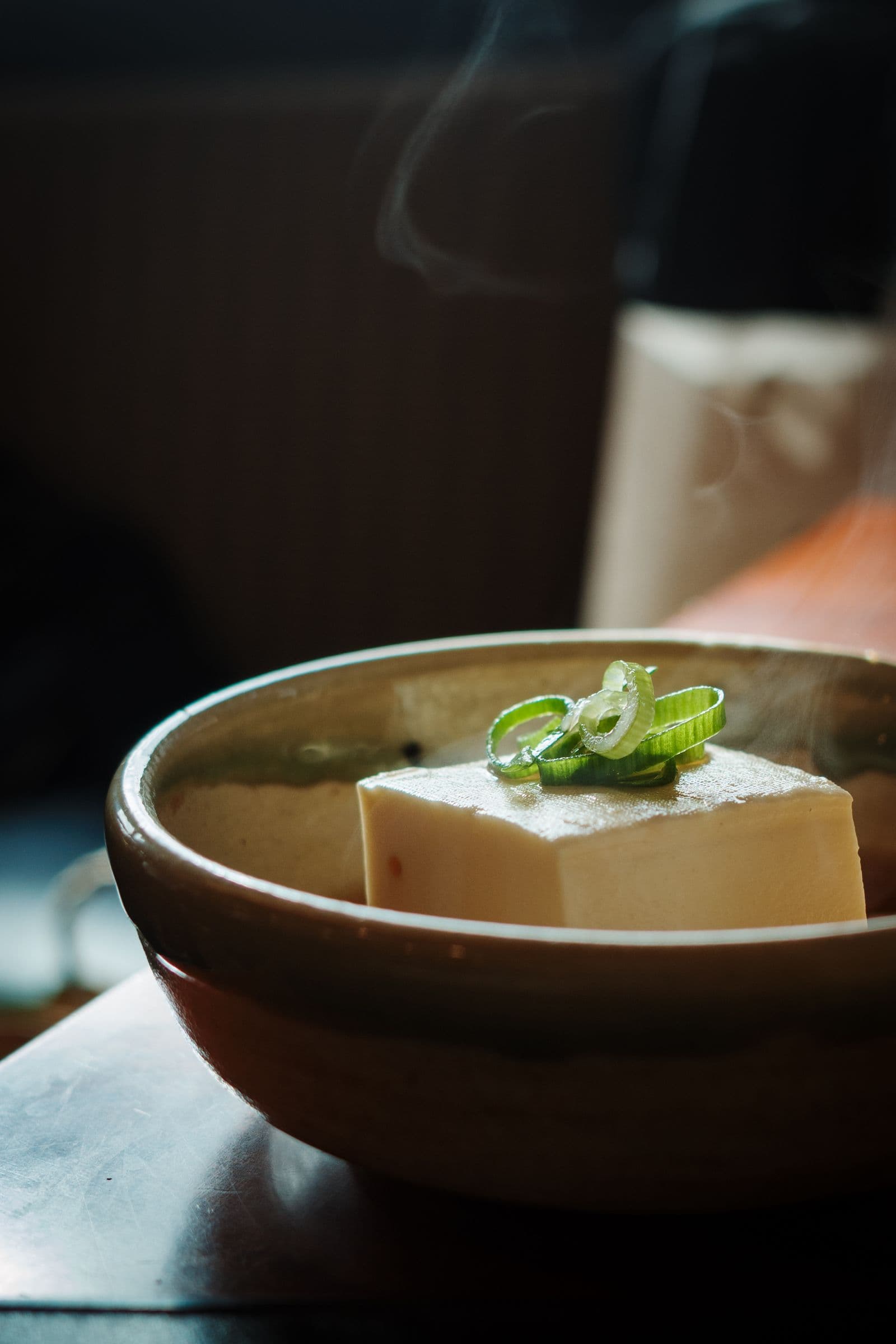
Yudofu is white tofu simmered in an earthenware pot with kombu, lifted out and dipped in a soy-and-broth sauce with spring onions. It's a Zen temple dish closely associated with Arashiyama and the area around Nanzen-ji. Fair warning: if you love bold flavours, you may find it too plain. But eat it on a cold day, looking out at a rock garden through sliding doors, and you'll immediately understand why Kyoto people love its simplicity. We suggest having it for lunch after a temple visit and saving the bold flavours for dinner.
Take the train to Uji, the home of matcha
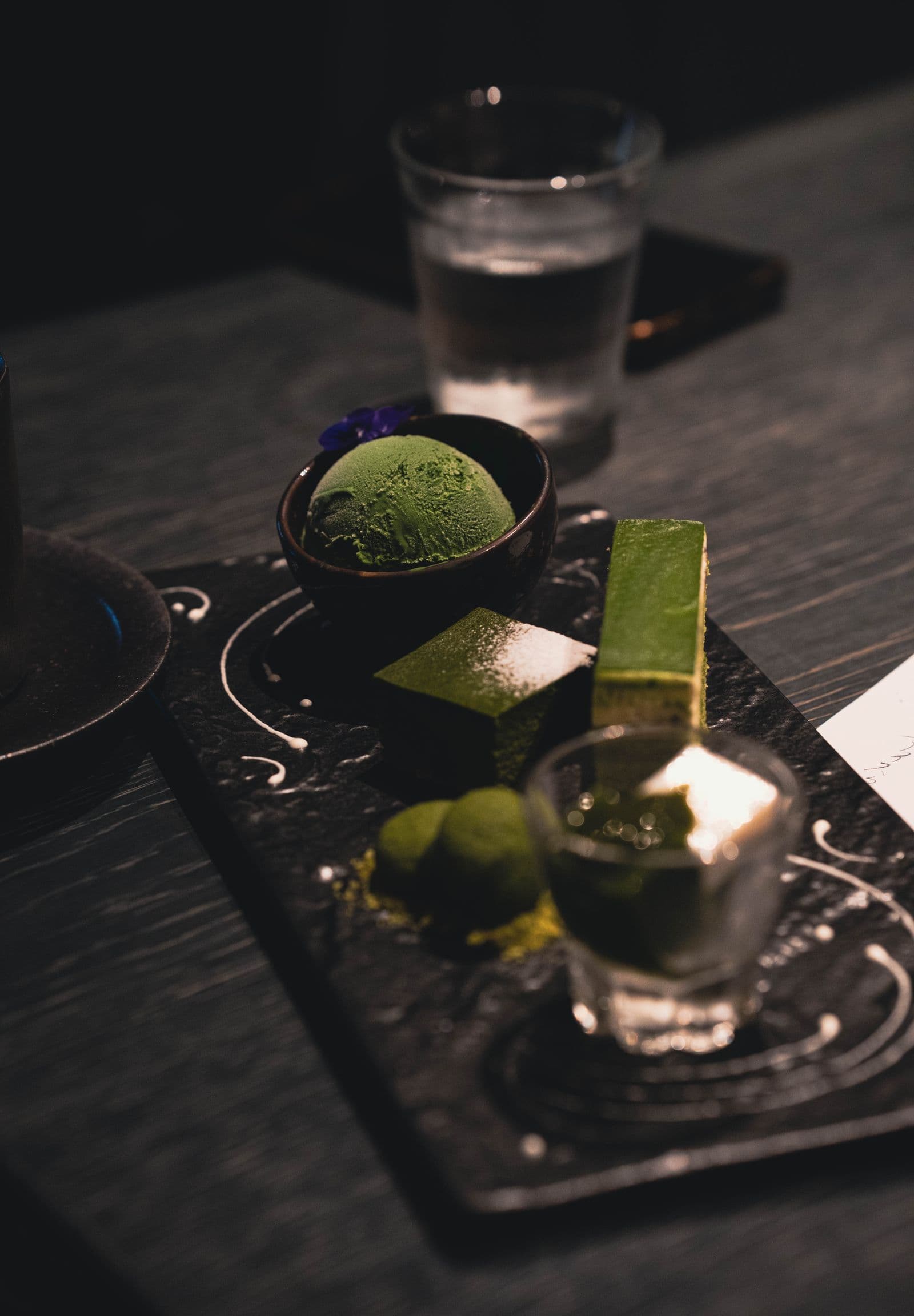
You can find matcha on every corner of Kyoto, but if you're a real green tea fan, half a day in Uji is worth far more than hunting it down around the city. This small riverside town is less than an hour by train from Kyoto, and its main street is lined with long-established tea houses. Try traditionally whisked matcha, a multi-layered matcha parfait and green tea soba, then walk on to see the old riverside temple pictured on the ten-yen coin. It's the slowest and most satisfying half day of the trip.
Finish with rich ramen near Kyoto Station
After a whole day of delicate food, sometimes your stomach wants something heavier. Kyoto-style ramen turns out to be a rich soy-based broth with a layer of pork fat on top — the complete opposite of the city's refined image. Several well-known shops cluster around Kyoto Station, making it a perfect late-night meal before heading back to your hotel, or a last meal before the train to the airport.
Getting to Kyoto, and where to stay close to the food
Kyoto has no airport of its own. Most travellers fly into Kansai Airport and take an express train to Kyoto Station, which takes a little over an hour. For a food-focused trip, staying in Kawaramachi or Gion is the most convenient, since Nishiki, Pontocho and Kiyamachi are all a few minutes' walk away. If you still can't decide which side of the city to stay on, read our comparison of Gion and Kyoto Station for hotels first. When you're ready, tap Book a stay in Kawaramachi, Kyoto to check availability through Trip.com.
Map of Kyoto, Japan
Ready to book this trip? Check the latest prices and availability now.
Check stays in Kawaramachi, KyotoFrequently Asked Questions
Can you eat while walking at Nishiki Market?
Many shops at Nishiki Market ask customers to eat in front of the stall or in a designated spot rather than while walking, because the aisle is narrow and crowded. Finish what you bought on the spot before moving on to the next shop.
Is Pontocho expensive, and is there a cheaper alternative?
Most restaurants in Pontocho are on the pricey side, especially those with riverside terraces. On a tighter budget, Kiyamachi street runs parallel just nearby and has izakaya and small eateries at friendlier prices with a similar atmosphere.
Keep Reading
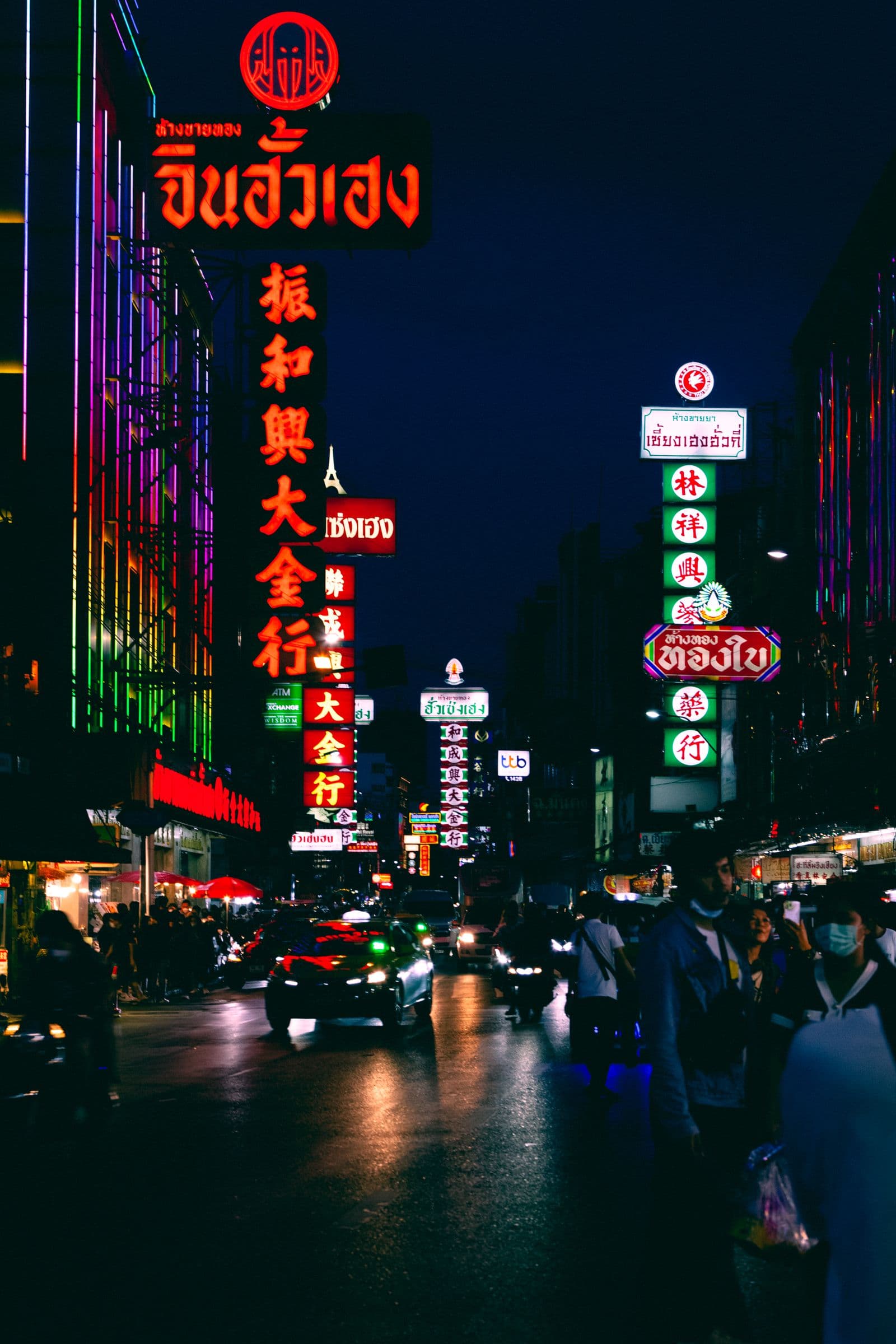 📷 Dmitriy CauseLove / Pexels
Yaowarat Street Food Guide — Best Eats in Bangkok's Chinatown
A guide to Bangkok's Yaowarat Chinatown street food scene — from stir-fried noodles to oyster omelets and dim sum, plus when to go and how to get there.
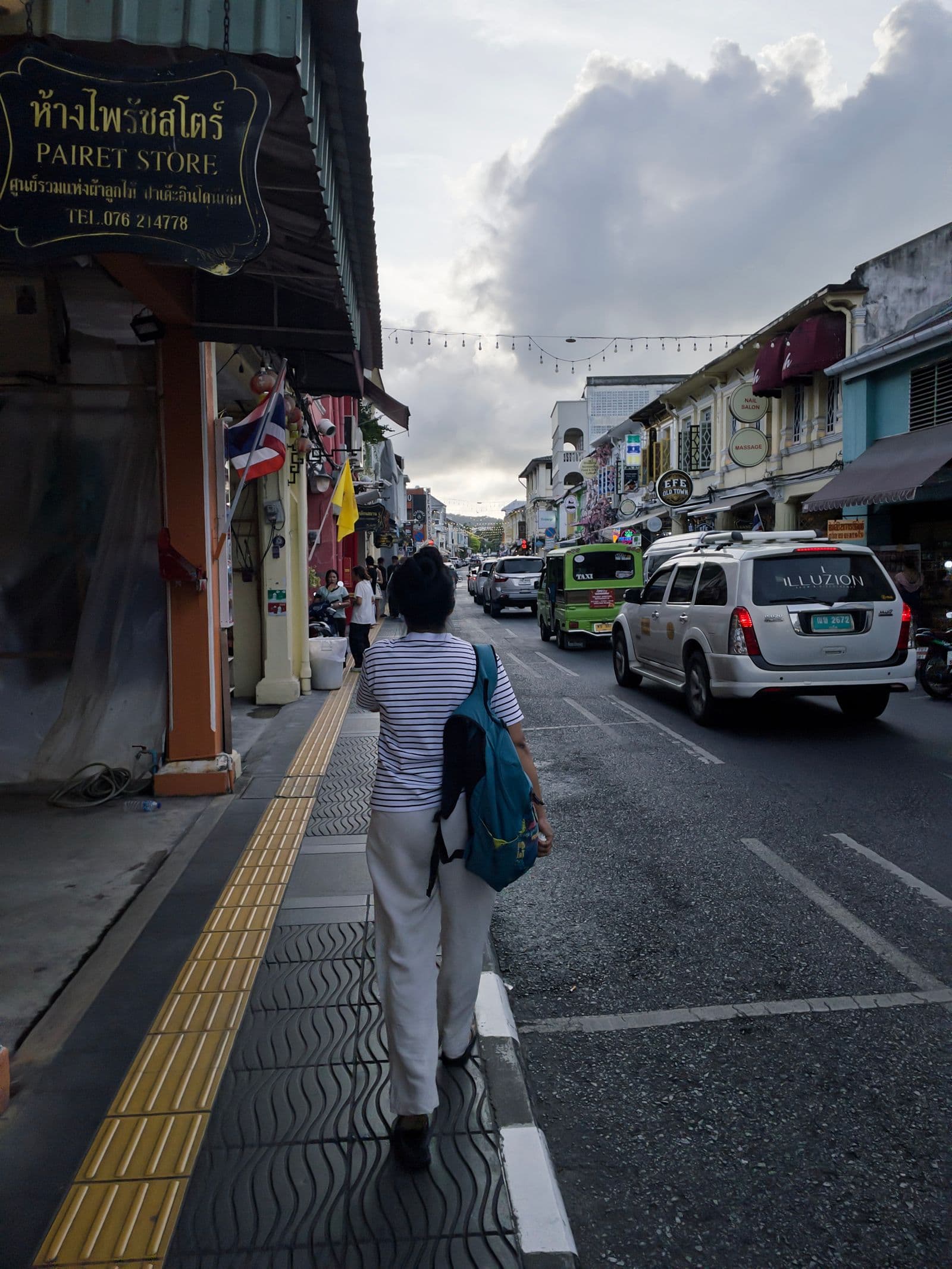 📷 Macros Guy / Pexels
What to Eat in Phuket Old Town — Local Dishes You Have to Try
A guide to Phuket Old Town's local food scene amid colorful Sino-Portuguese buildings — from mee hokkien to oh tao and moo hong, plus the best time to visit.
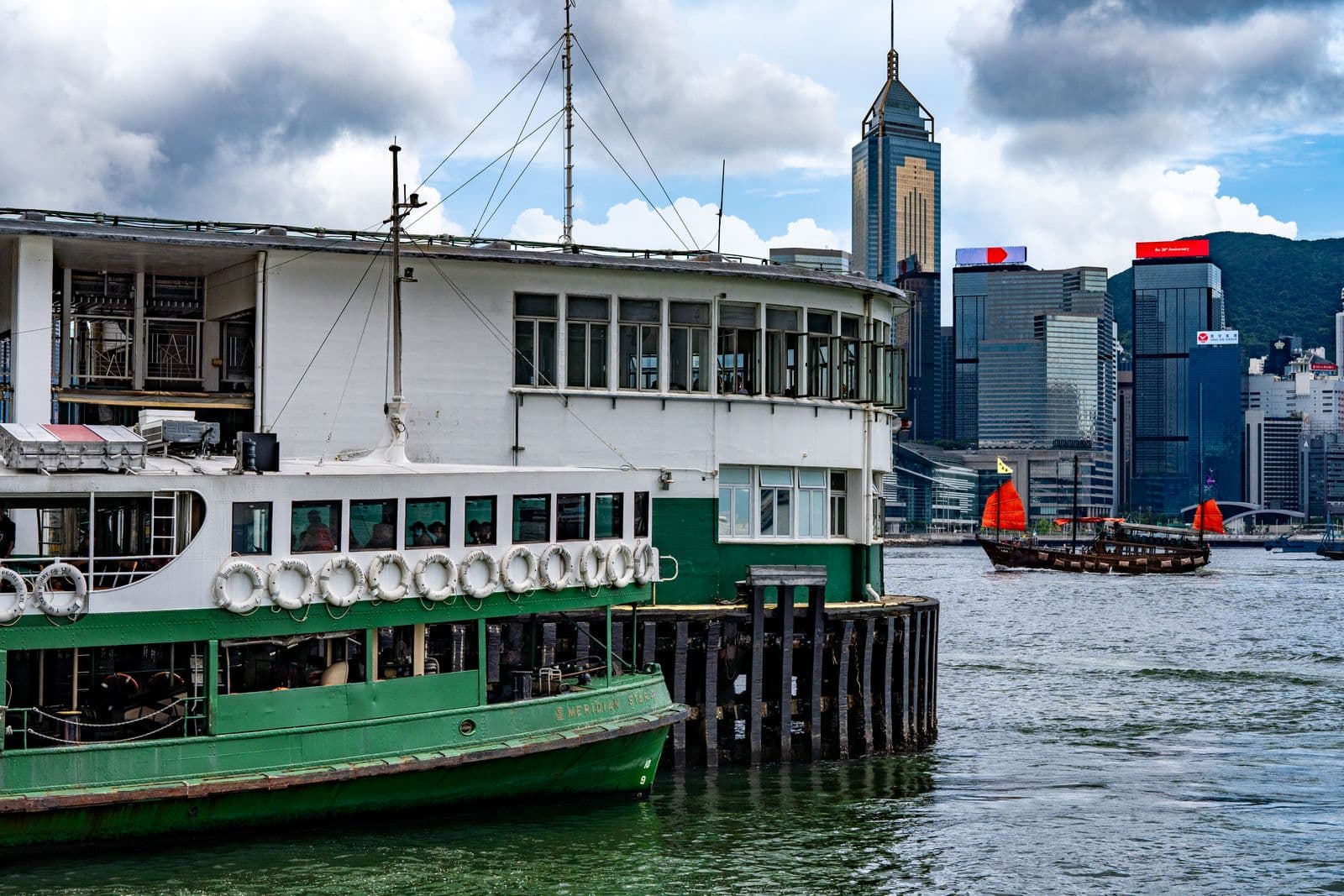 📷 Water White / Pexels
What to Eat in Tsim Sha Tsui, Hong Kong: A Weekend Food Guide
The best eats in Tsim Sha Tsui, Hong Kong, for a short weekend trip — all within walking distance of the Star Ferry pier.