
What to Eat in Tokyo: Tsukiji, Ameyoko and Shinjuku's Yakitori Alleys
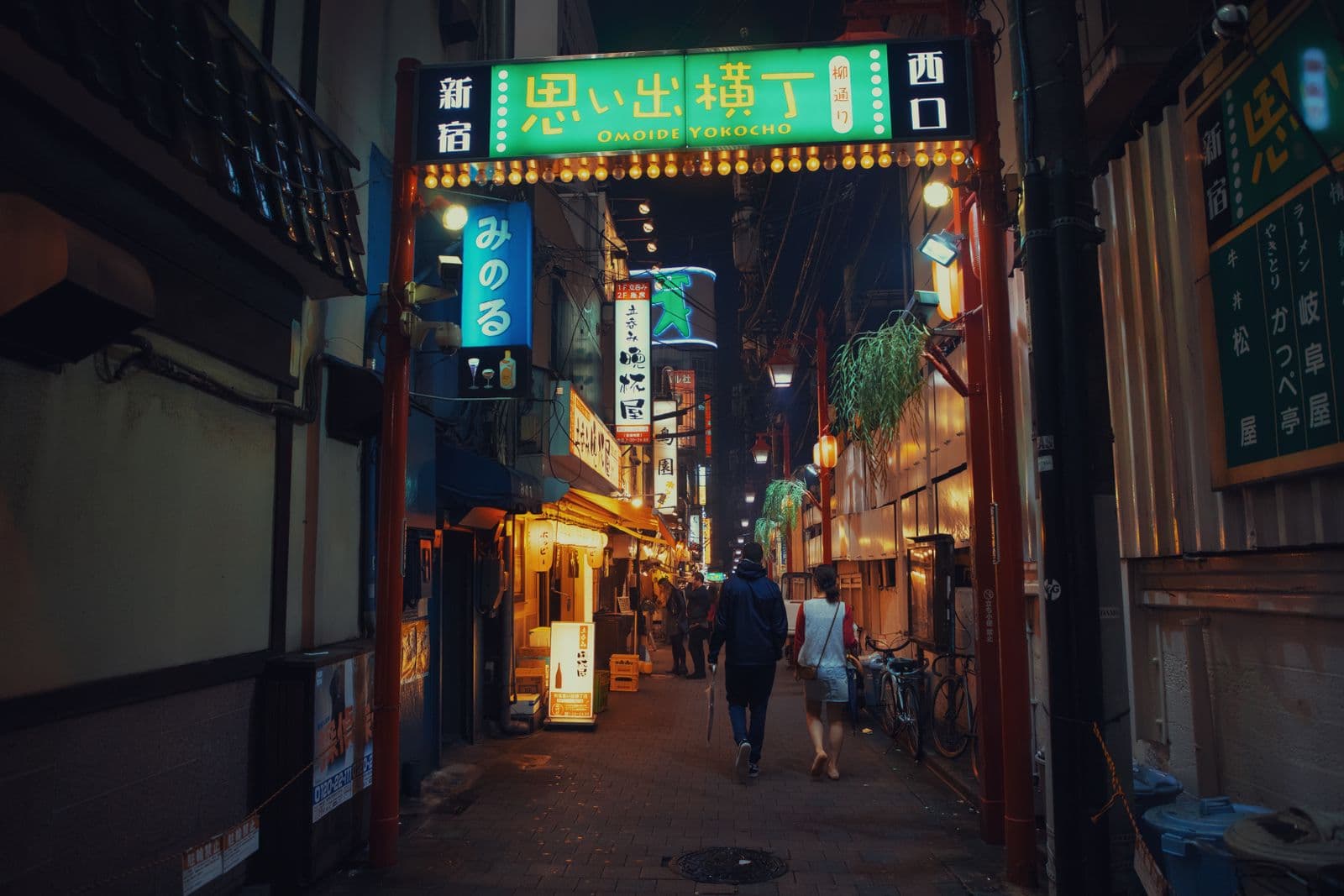
Photo by Tony Wu / Pexels
Rule number one of eating in Tokyo: don't assume the longest queue means the best food. This city has more restaurants than anyone could count, and a tiny eight-seat ramen counter down an alley nobody photographs might give you a meal you remember longer than the famous place with a two-hour wait. That makes Tokyo a city best eaten on foot — wandering through markets, back lanes and department store basements rather than chasing a list of shops from social media. This guide follows the rhythm of a single day, from breakfast beside a market to a last drink under yakitori smoke.
Tsukiji Outer Market: a breakfast worth waking up for
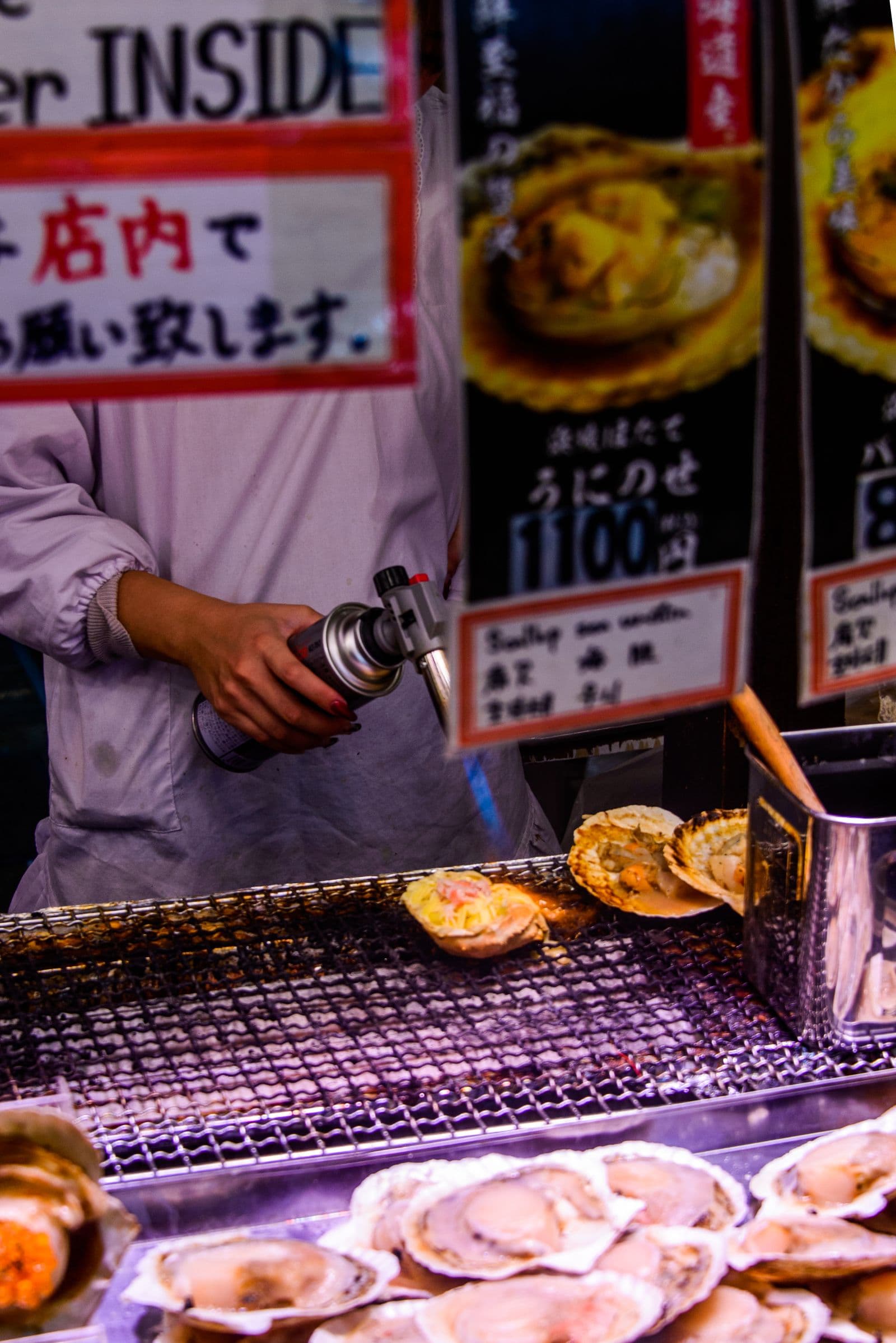
Plenty of people think Tsukiji Market has closed. In fact, the wholesale market and tuna auctions moved to Toyosu, but the outer market — the shops and food stalls — is still fully intact and busy every morning. Things to try: warm sweet rolled omelette on a stick, scallops grilled with butter and soy sauce, tuna and salmon over rice at a small donburi counter, and plump oysters shucked in front of you. The trick is to come early, since many shops start packing up around midday and the lanes get uncomfortably crowded by late morning. Many stalls ask you to eat standing in front of them, so don't wander off with food in hand.
Ameyoko: the noisy market under Ueno's railway tracks
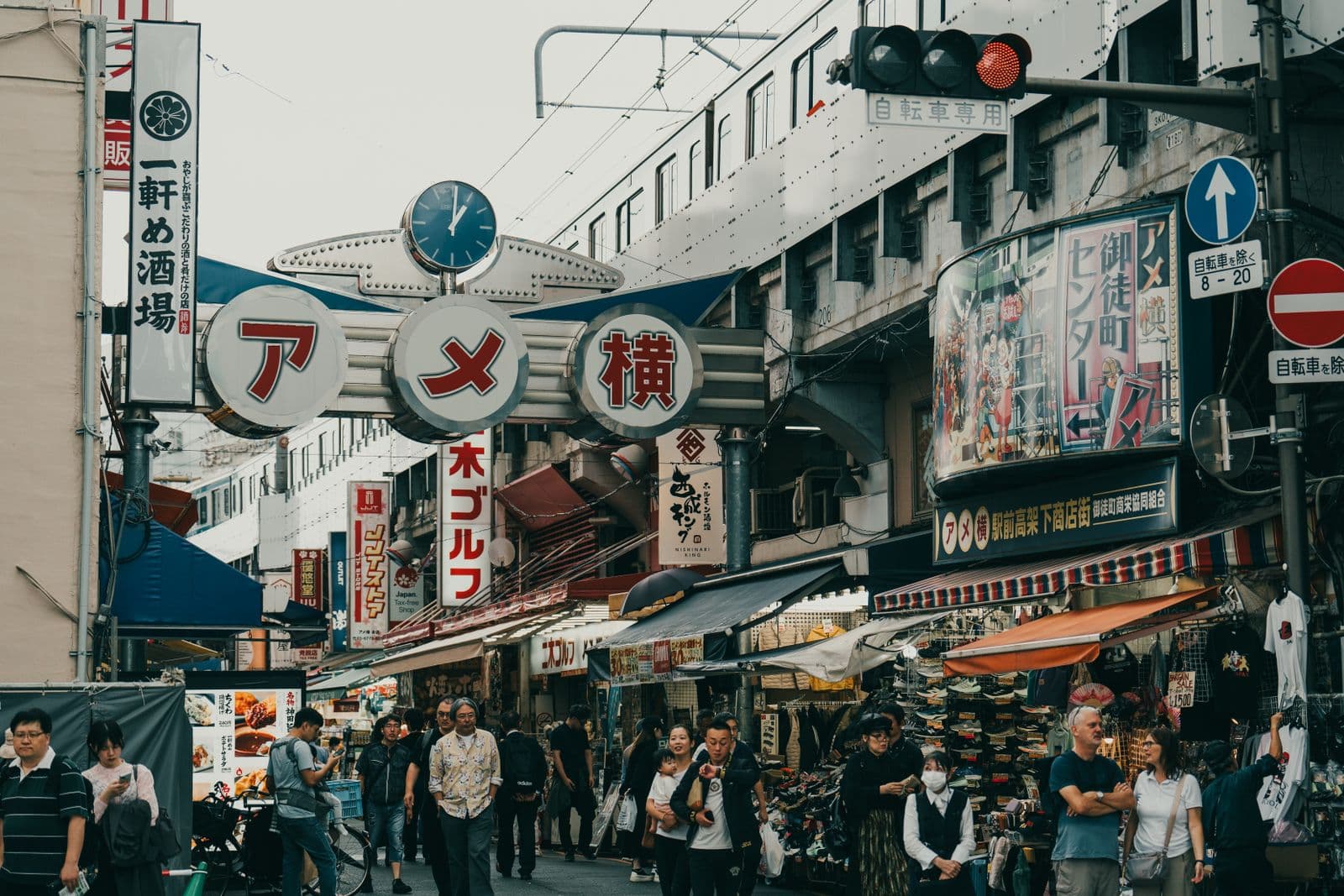
If Tsukiji is the market for seafood lovers, Ameyoko is the market for people who enjoy lively chaos. The long street running under the tracks between Ueno and Okachimachi stations is crammed with stalls selling fruit on skewers, fishmongers shouting for customers, sweet shops and standing bars that open in the middle of the day. It's the complete opposite of Tokyo's quiet, orderly image. In our view, late afternoon is the best time: sunlight filters through the tracks, the skewer grills fire up, and office workers start dropping in for the first beer of the day.
Tokyo ramen, and the ticket machine you shouldn't fear
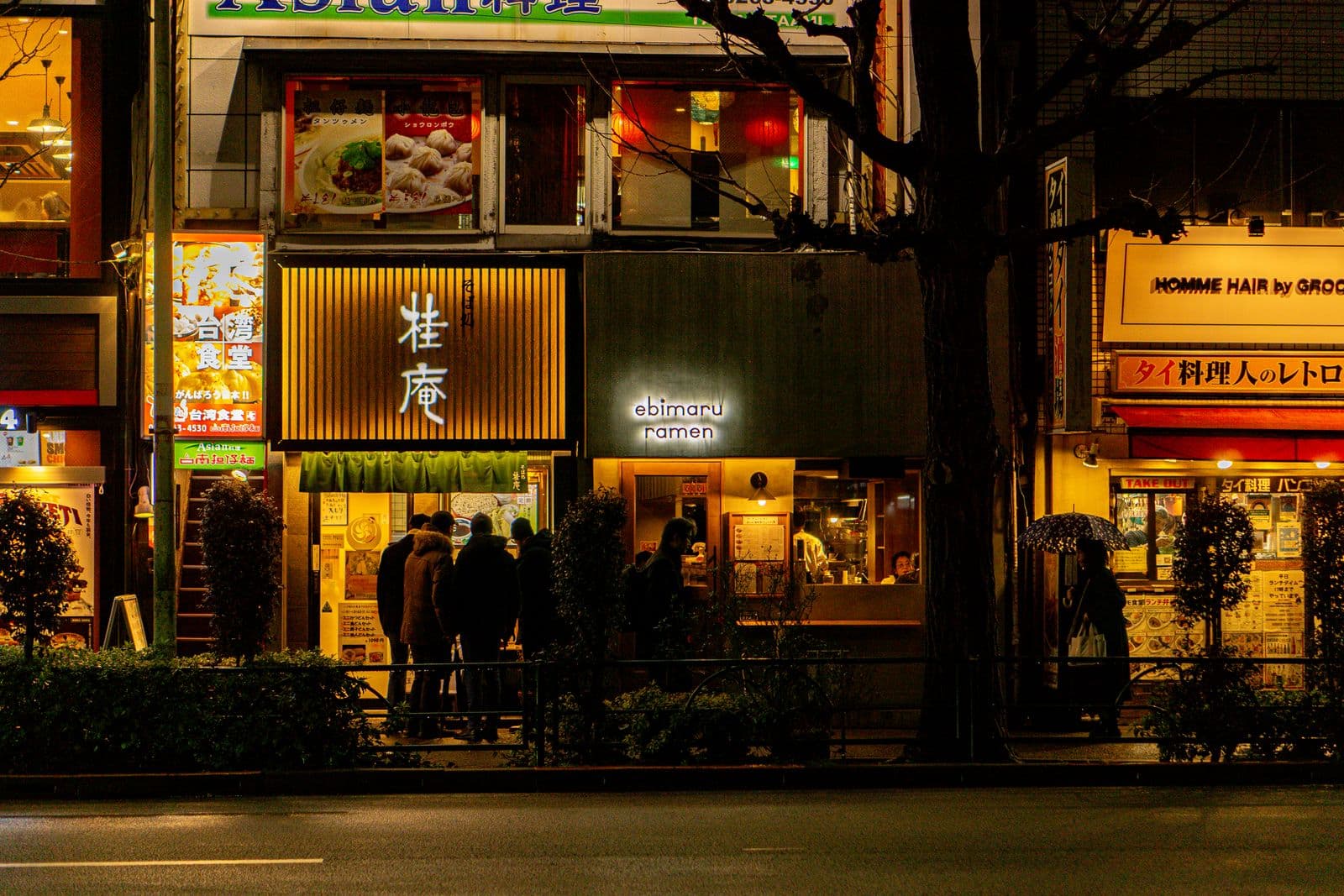
Classic Tokyo-style ramen is a clear shoyu broth fragrant with dried fish and chicken stock, served with thin wavy noodles — lighter than the rich pork-bone bowls many visitors know. Also try tsukemen: cold noodles served separately with a thick, intense dipping broth. Many ramen shops ask you to order at a ticket machine by the door. If you can't read Japanese, the top-left button is usually the house signature bowl — press it and hand the ticket to the staff. Some machines have English buttons or photos too. Always carry cash and coins, as plenty of older machines still don't take cards.
Department store basements: the secret kitchen of Tokyo's office workers
The basement food floors of Tokyo's big department stores are another world — bento boxes, packed sushi, fried snacks, salads, and Japanese and Western sweets arranged so beautifully you almost don't want to eat them. Areas like Shinjuku and Ginza have several stores you can hop between. The local trick is to drop by shortly before closing, when many counters put discount stickers on fresh food that has to sell that day. Take it back to your room with a cold beer and you've got a better meal than many mid-range restaurants. The catch: there's almost nowhere to sit, so plan to eat in your room or a park.
Tsukishima: monjayaki that looks like nothing special
Not far from Tsukiji, Tsukishima's main street is lined with dozens of monjayaki restaurants. Monjayaki is Tokyo's own griddle dish — similar to okonomiyaki but with a much runnier batter. You stir-fry cabbage and fillings into a ring on the hotplate, pour the batter into the middle, then use a tiny spatula to scrape up the crispy bits stuck to the griddle, one mouthful at a time. To be honest, it doesn't look appetising the first time you see it, but the crispy edges with cheese or spicy mentaiko roe are properly addictive. If you're not sure how to cook it, ask the staff — many shops are happy to demonstrate the first round.
Omoide Yokocho: after-work yakitori under the smoke
In the evening, a few minutes' walk from Shinjuku Station's west exit brings you to Omoide Yokocho, a narrow alley of tiny yakitori bars packed under glowing signs, charcoal smoke drifting through the whole lane. Some places seat only five or six people, shoulder to shoulder with office workers fresh off the clock. Order chicken skewers both with sweet sauce and with salt, and try a skewer of chicken offal if you're feeling brave. Note that many bars charge a seating fee or serve a small starter you didn't order — a normal custom at Japanese drinking spots — and some don't welcome large groups or people who only want photos. If you go in, go in to eat.
Small manners that make every meal smoother
Japan has no tipping culture — leave money on the table and the staff may chase you down the street to return it. Eating while walking isn't really the norm either, so finish what you buy in front of the shop. Slurping your ramen loudly, on the other hand, isn't rude at all; if anything it signals that you're enjoying it. And if a small shop has a long queue, lingering long after you've finished is considered a little inconsiderate to those waiting.
Getting in from the airport, and where to stay near the food
Tokyo has two airports: Haneda is closer to the city, while Narita is further out but has convenient express trains and buses into town. For a food-focused visit, staying in Shinjuku has the edge — you can walk to the yakitori alleys every night, and Ueno and Tsukiji are an easy train ride away. If you can't decide between Shinjuku and Shibuya, read our comparison of hotels in Shinjuku and Shibuya first, then tap Book a stay in Shinjuku, Tokyo to check availability through Trip.com.
Map of Tokyo, Japan
Ready to book this trip? Check the latest prices and availability now.
Check stays in Shinjuku, TokyoFrequently Asked Questions
Is Tsukiji Market still open after the fish market moved?
The wholesale market and tuna auctions moved to Toyosu, but Tsukiji Outer Market — the restaurants and food stalls — is still open and remains one of Tokyo's most popular spots for a seafood breakfast. Go early, as many shops close up early.
Do Tokyo izakayas charge anything besides the food?
Many charge a small seating fee or serve a little starter dish you didn't order. This is a normal custom, not a scam. If you're unsure, it's fine to ask before you sit down.
Keep Reading
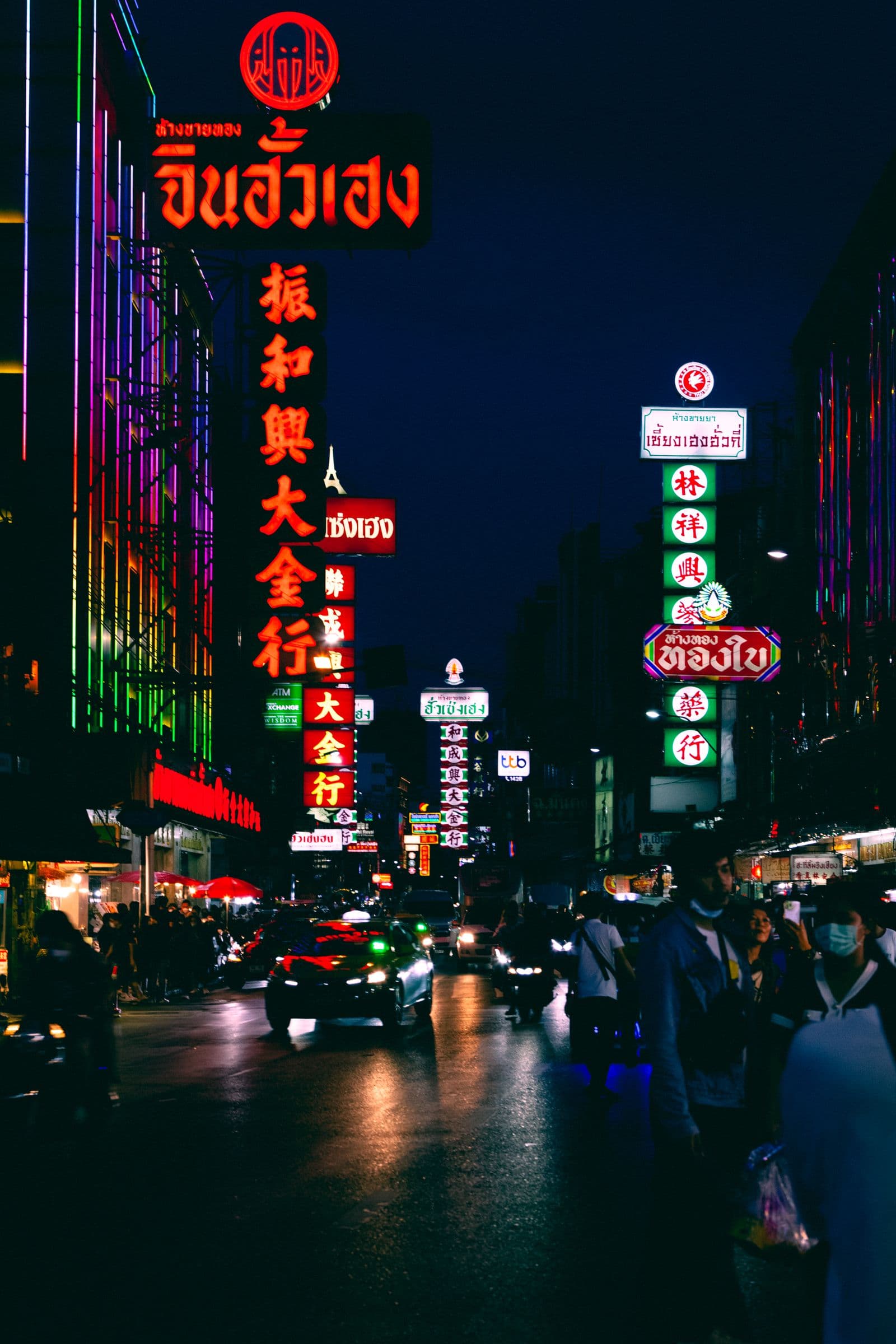 📷 Dmitriy CauseLove / Pexels
Yaowarat Street Food Guide — Best Eats in Bangkok's Chinatown
A guide to Bangkok's Yaowarat Chinatown street food scene — from stir-fried noodles to oyster omelets and dim sum, plus when to go and how to get there.
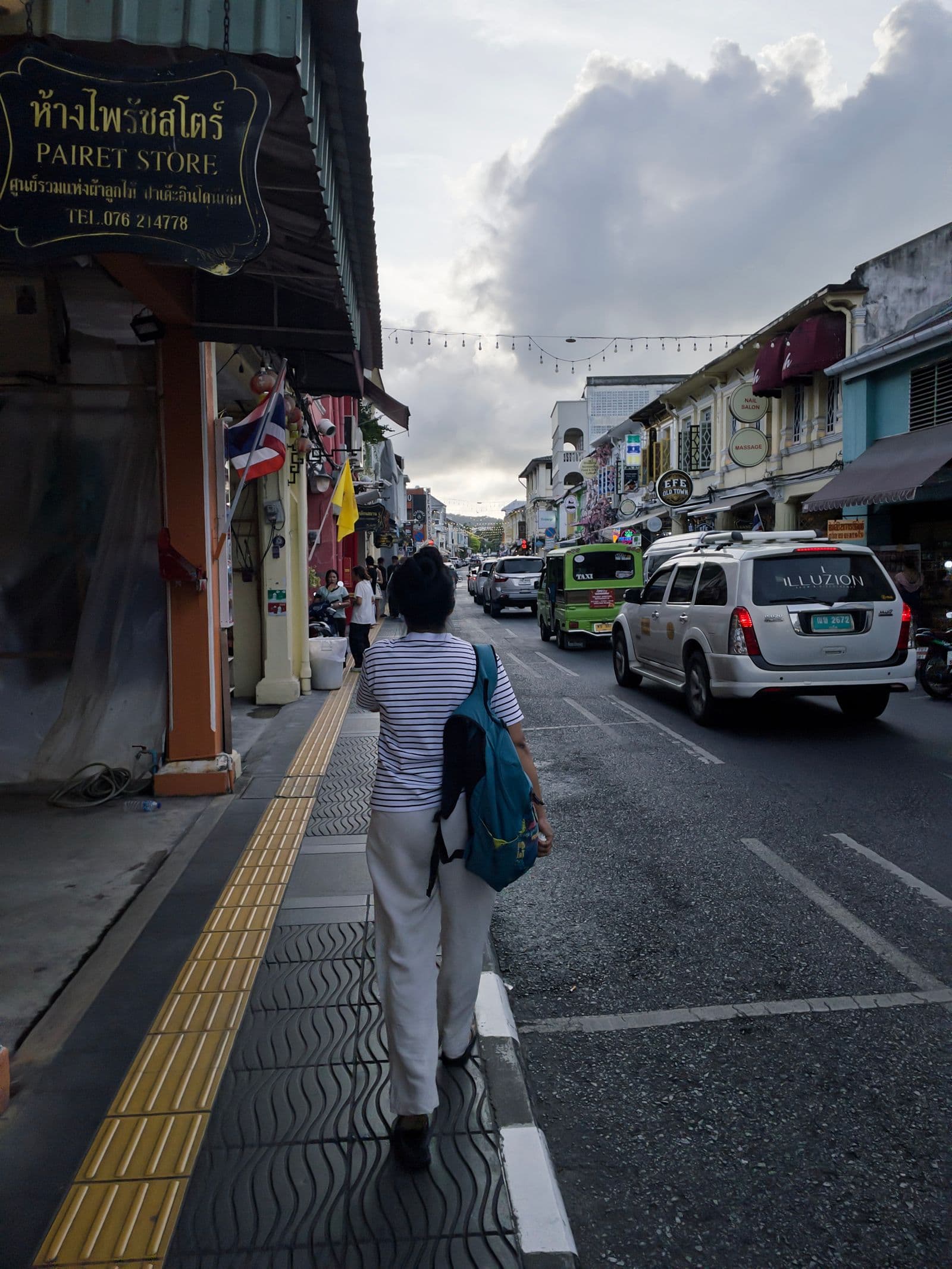 📷 Macros Guy / Pexels
What to Eat in Phuket Old Town — Local Dishes You Have to Try
A guide to Phuket Old Town's local food scene amid colorful Sino-Portuguese buildings — from mee hokkien to oh tao and moo hong, plus the best time to visit.
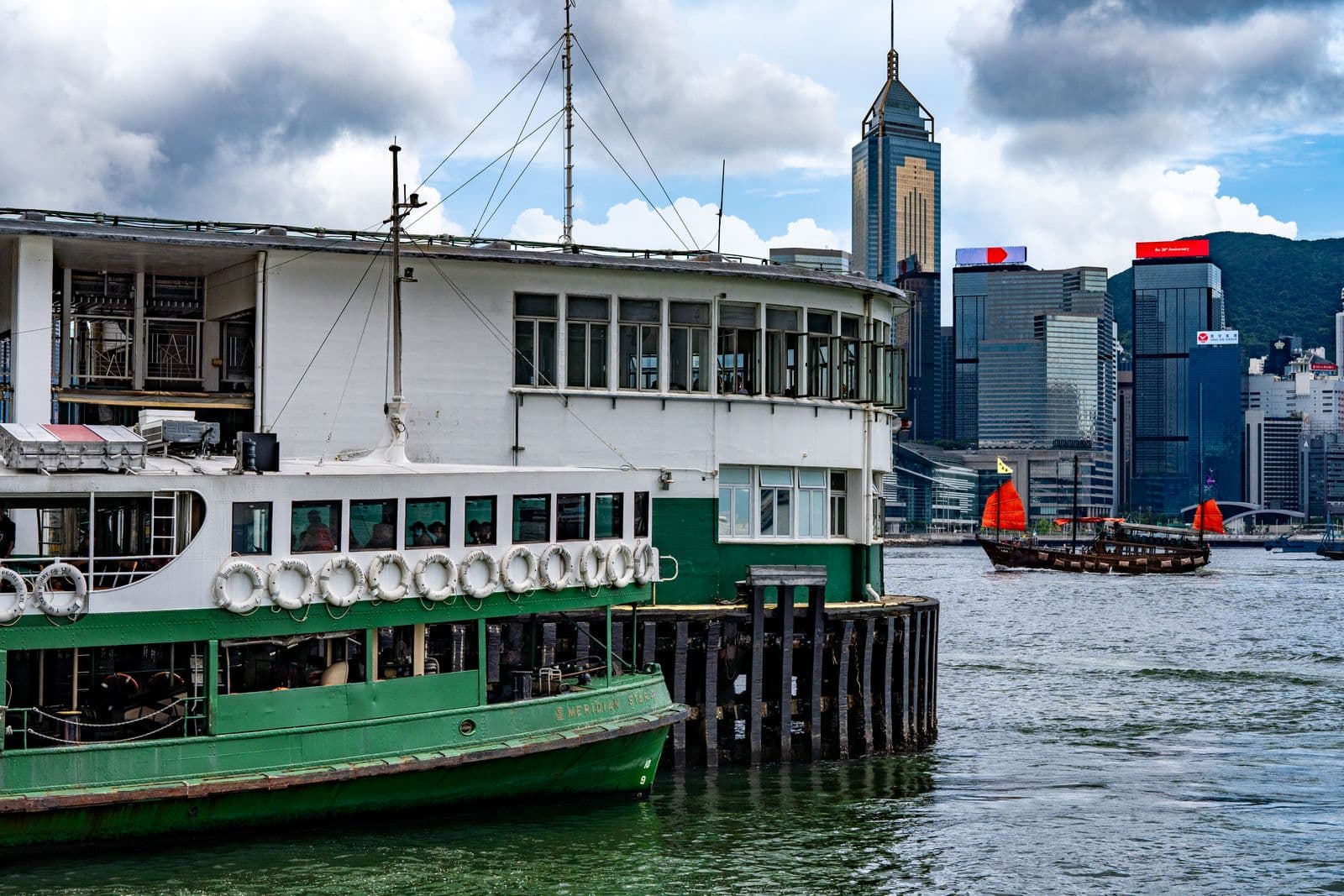 📷 Water White / Pexels
What to Eat in Tsim Sha Tsui, Hong Kong: A Weekend Food Guide
The best eats in Tsim Sha Tsui, Hong Kong, for a short weekend trip — all within walking distance of the Star Ferry pier.